Why the Villain in the Movie 'Hell Fest' Looks So Terrifyingly Normal
Published On May 27, 2026 12:51 PM
Back in 2018, the horror film 'Hell Fest' was released, about a group of youngsters at a Halloween themed amusement park, who wind up facing a real psychopath killing people for his own entertainment
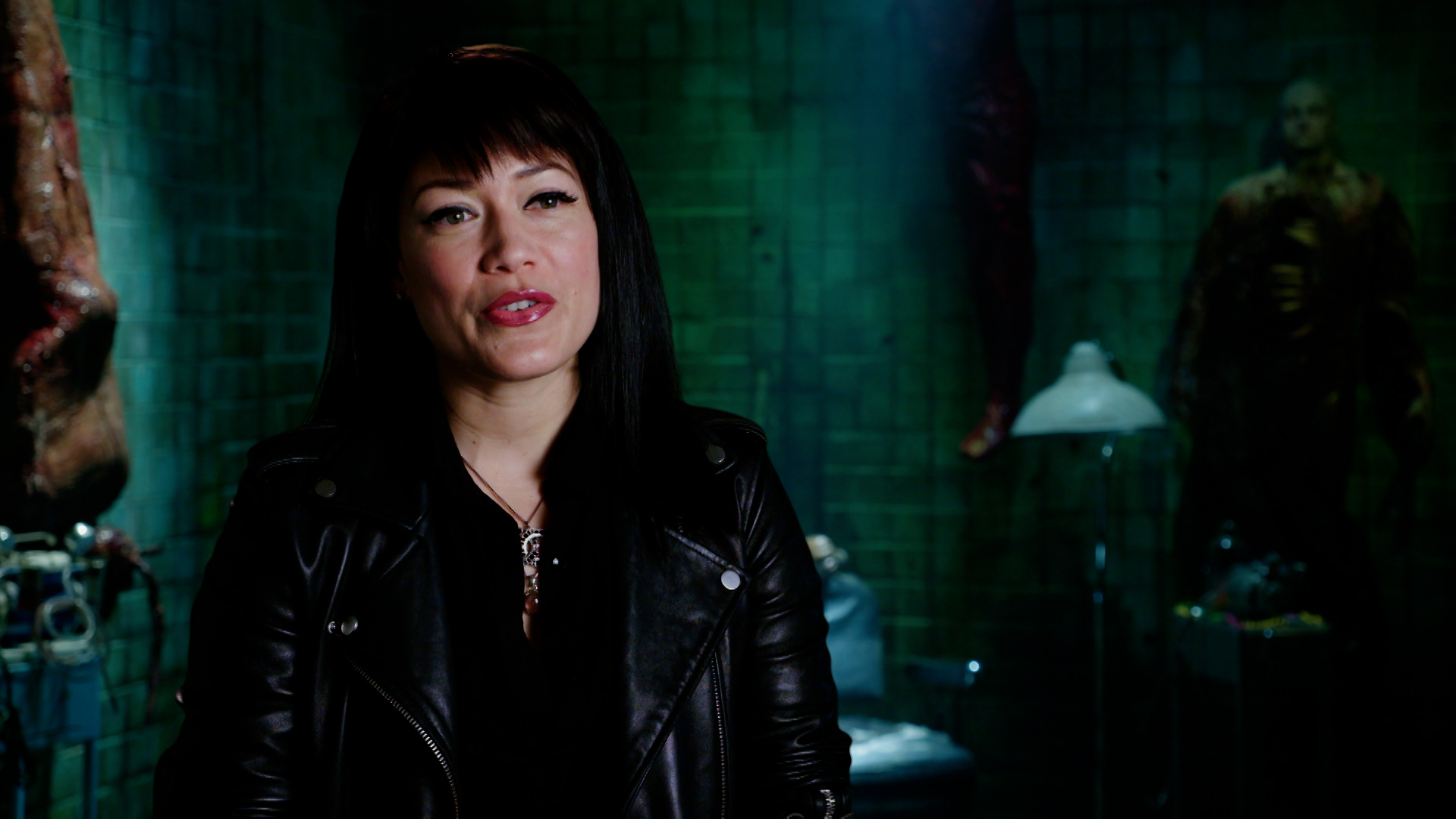
Released in 2018, Hell Fest combined classic slasher movie elements with the chaotic atmosphere of a Halloween amusement park filled with masks, costumes, and terrified visitors unable to distinguish performance from real danger. The story follows a group of young friends attending the attraction before discovering that a genuine serial killer is hiding among the actors and guests, murdering people while blending seamlessly into the entertainment around him. Because the film relied heavily on atmosphere and visual identity, costume design became one of the most important creative elements shaping the audience experience. Costume designer Eulyn Hufkie worked closely with director Gregory Plotkin from the earliest stages of production to establish the film's visual tone and character identity. Hufkie explained that she presented mood boards filled with vintage inspired Halloween designs that looked handcrafted, unsettling, and realistic rather than polished or exaggerated. The director immediately connected with the concept because the costumes captured exactly the strange mixture of nostalgia and fear he wanted for the film. Beyond designing frightening visuals, Hufkie focused heavily on character development through wardrobe choices. She believed audiences needed to instantly understand who each young character was the moment they appeared on screen. Clothing therefore became part of the storytelling process, revealing personality, background, and emotional identity before dialogue even began. Discussions between the designer and director centered on understanding where the characters came from, how they arrived at the park, and how viewers could emotionally connect with them. Through detailed costume choices and visual atmosphere, Hell Fest demonstrated how horror films depend not only on violence and suspense but also on careful production design that strengthens audience immersion and emotional connection throughout the story today.
Horror cinema has produced many instantly recognizable villains whose costumes became cultural icons, including Freddy Krueger with his striped sweater and Pennywise with his theatrical clown costume. However, Hell Fest deliberately moved in the opposite direction when designing its killer known as The Other. Instead of creating an exaggerated or supernatural appearance, Eulyn Hufkie wanted the villain to look disturbingly ordinary. She explained that the character wears muted everyday clothing including a green hoodie, navy undershirt, and brown shoes rather than the traditional black outfits commonly associated with horror antagonists. The goal was to make him resemble someone audiences might pass on the street without noticing. According to Hufkie, that normal appearance made the character far more frightening because viewers could imagine him existing in real life. By removing theatrical horror styling, the film created a sense of realism and unpredictability that heightened tension throughout the story. The crowded Halloween attraction also reinforced this fear because masks and costumes allowed the killer to disappear naturally into the environment around him. Audiences therefore experienced the same uncertainty as the characters, constantly questioning who was part of the show and who represented genuine danger. Hell Fest used costume design not simply as decoration but as a psychological tool that shaped fear and audience perception. The film's approach reflected a broader trend in modern horror where realism and familiarity often create stronger emotional reactions than exaggerated monsters or supernatural imagery.