Vicky Krieps: The Actress Who Chose Her Own Path
Published On September 12, 2026 09:13 AM
Luxembourg-born actress Vicky Krieps, shaped by her artistic upbringing, defied norms on her path to stardom. From local stages to international acclaim, she embraced period dramas, echoing women's stories through time. Despite Hollywood offers, she values a grounded life in Berlin, thankful for today's freedoms.
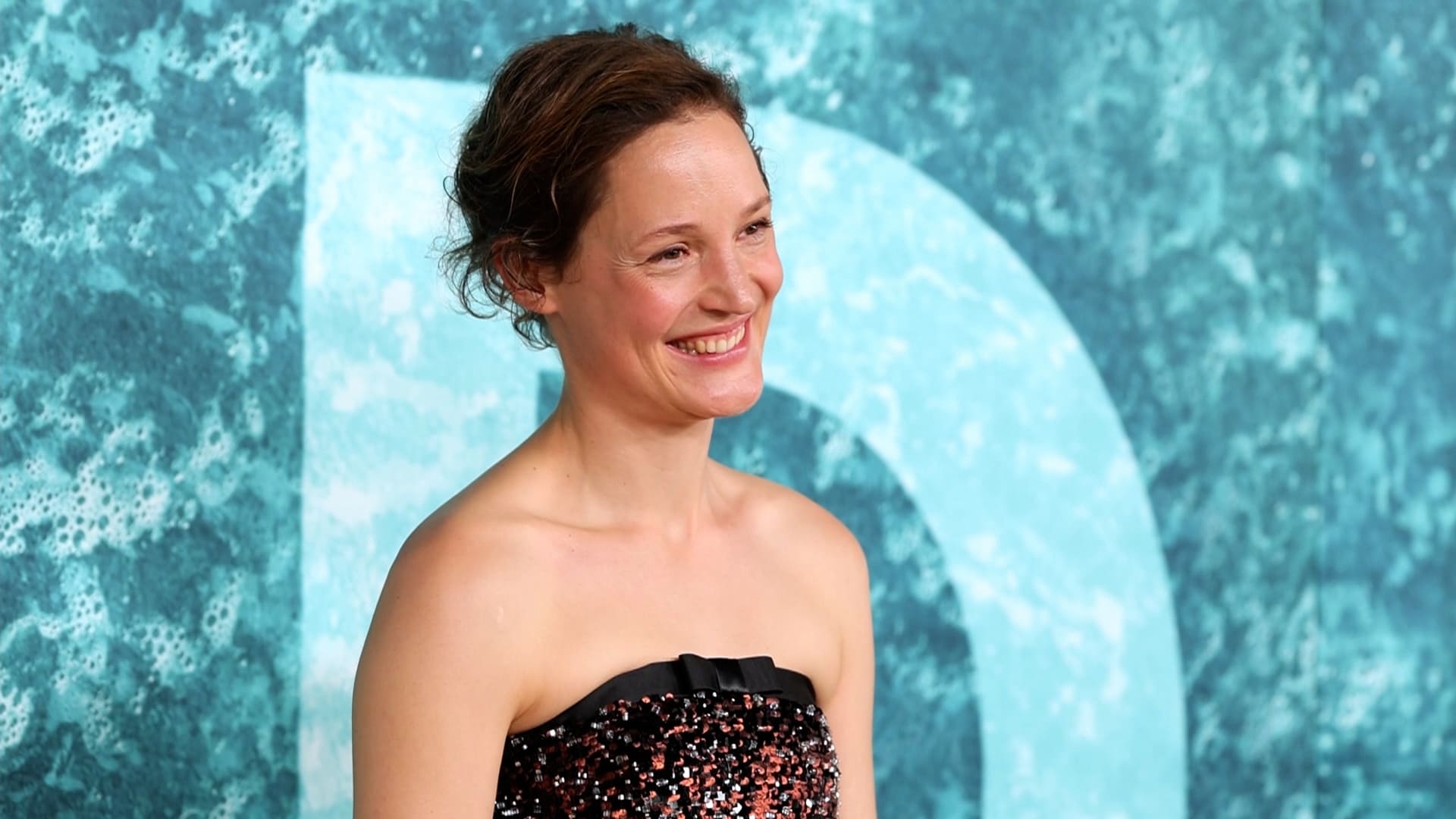
Vicky Krieps has built an international career by bringing complex characters to life with a quiet intensity that feels entirely her own. Born near Luxembourg City and surrounded by culture from an early age, Krieps developed a passion for performance that eventually took her from European theater to major international films. Her father, Bob Krieps, worked within Luxembourg's Ministry of Culture, but Vicky carved out her own artistic path, guided by an independent personality and a determination to approach acting on her own terms.
Krieps studied at the Zurich University of the Arts while gaining practical experience in local theaters. She remembers herself as the kind of student who rarely followed instructions simply because they were given. That rebellious streak became part of her philosophy, encouraging her to trust her instincts rather than follow an expected route. Her professional career began gradually with theater, television and film work in Luxembourg and Germany before her performance in the 2014 German drama The Chambermaid Lynn brought wider attention.
Success did not immediately make Krieps comfortable describing herself as an actress. For years, she felt she had not earned the right to use the title because acting had not yet become the foundation of her life. Eventually, however, the profession quietly took over. She found herself earning a living through acting and building the kind of career she had once struggled to imagine. International recognition arrived with Paul Thomas Anderson's 2017 period drama Phantom Thread, in which she starred opposite Daniel Day-Lewis.
Since then, historical characters and period stories have remained an important part of Krieps' work. Her attraction to them goes beyond costumes and recreating another era. She sees stories about women from the past as a way of examining the experiences of women today. Krieps feels connected to previous generations, including her grandmother and the women who came before her, and believes their struggles continue to resonate even when modern circumstances have changed dramatically.
That connection helps explain why Krieps repeatedly gravitates toward historical women who endure hardship without surrendering. These characters may be forced into silence, but she does not view silence as weakness. Their strength comes from surviving, resisting and refusing to give in, often without receiving recognition for doing so. Rather than transforming them into conventional modern heroes, Krieps allows them to remain complicated and human. For her, that is precisely where their power lies: they do not need to look heroic to demonstrate extraordinary strength.