The pink winged stick insect, nature’s master of camouflage
Published On July 22, 2026 06:19 AM
Discover the pink winged stick insect, Madagascar’s master of camouflage, its behavior, and endangered status.
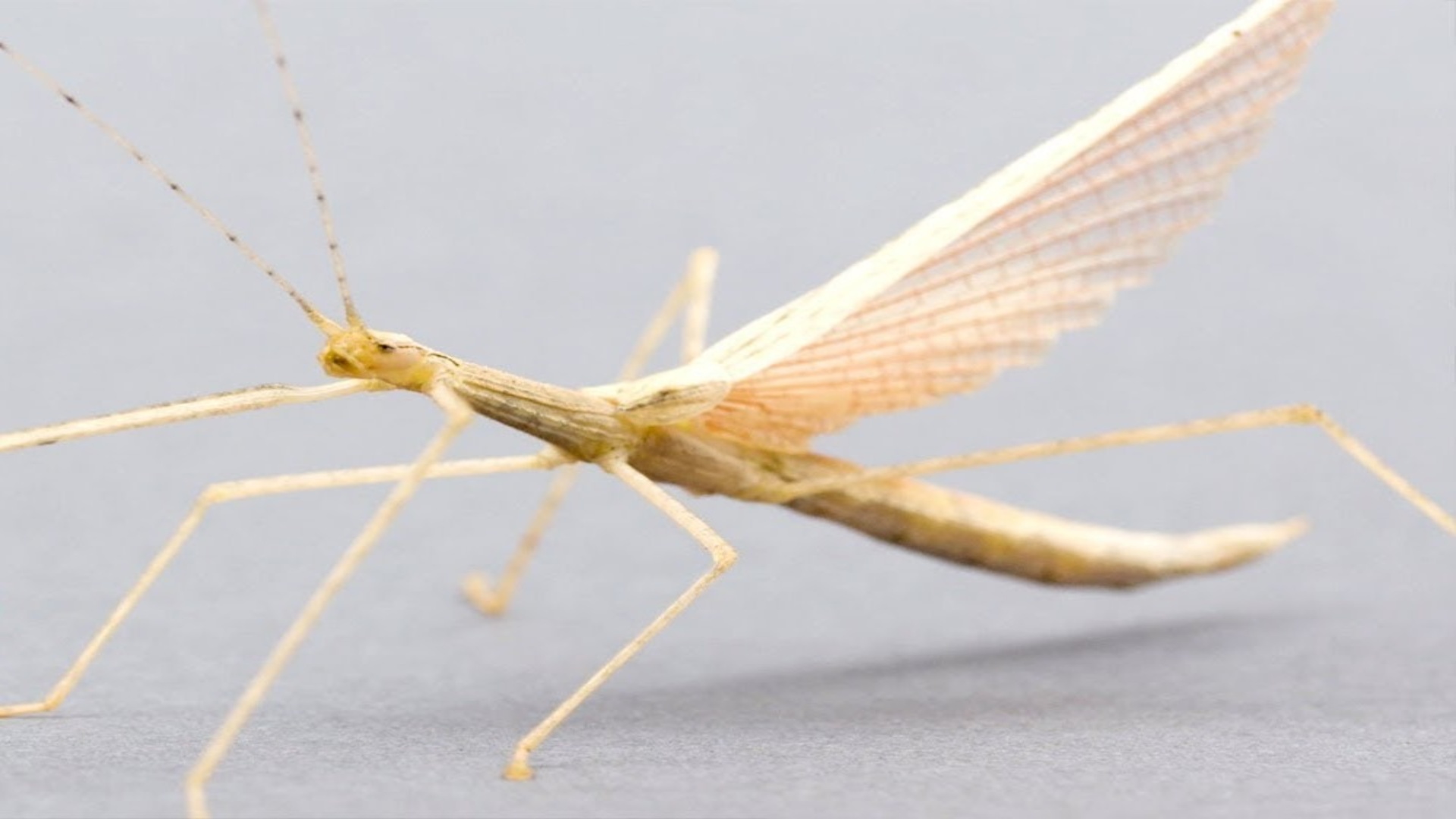
The pink winged stick insect is one of the most fascinating examples of natural camouflage on Earth. True to its name, it closely resembles a stick, blending seamlessly into its surroundings to evade predators. This remarkable adaptation allows the insect to remain virtually invisible in forests, making it a master of disguise in the wild. Its camouflage is not just about appearance behavior also plays a crucial role in survival.
Observations of these insects reveal a unique behavioral trait: they sway side to side, mimicking a stick blowing in the wind. This motion, combined with their slender bodies, enhances their ability to go unnoticed by both predators and humans. Many stick insects are nocturnal, further reducing their chances of being detected. When threatened, they employ additional defensive strategies, such as playing dead or even shedding a limb to escape.
The pink winged stick insect is impressive in size. These long, thin insects range from 13 to 21 inches, with females typically larger than males. Despite their striking appearance and intriguing behaviors, surprisingly little is known about stick insects in general. This lack of information makes it challenging for scientists to fully assess the species’ vulnerability or conservation status, highlighting the importance of ongoing research in their native habitats.
Endemic to Madagascar, the pink winged stick insect faces significant threats due to habitat destruction. Aggressive deforestation in the region has placed this species on the endangered list, emphasizing the urgent need for conservation efforts. Protecting its forest habitat is essential not only for the survival of this unique insect but also for the countless other species that share its ecosystem. Awareness and targeted preservation programs can help ensure these insects continue to thrive in the wild.
Ultimately, the pink winged stick insect is a stunning example of evolutionary ingenuity. Its combination of physical disguise, adaptive behavior, and considerable size makes it one of nature’s most effective survivalists. By studying and protecting these insects, scientists and conservationists can gain valuable insights into camouflage, behavior, and the delicate balance of ecosystems. For nature enthusiasts, the pink winged stick insect represents both wonder and a reminder of the importance of preserving our planet’s biodiversity.