The Making of 'Jack Reacher': Practical Stunts, Hard-Hitting Fights, and a Perfect Partnership
Published On June 17, 2026 11:43 AM
Jack Reacher (2012) is a gritty crime thriller directed by Christopher McQuarrie and based on Lee Child’s One Shot
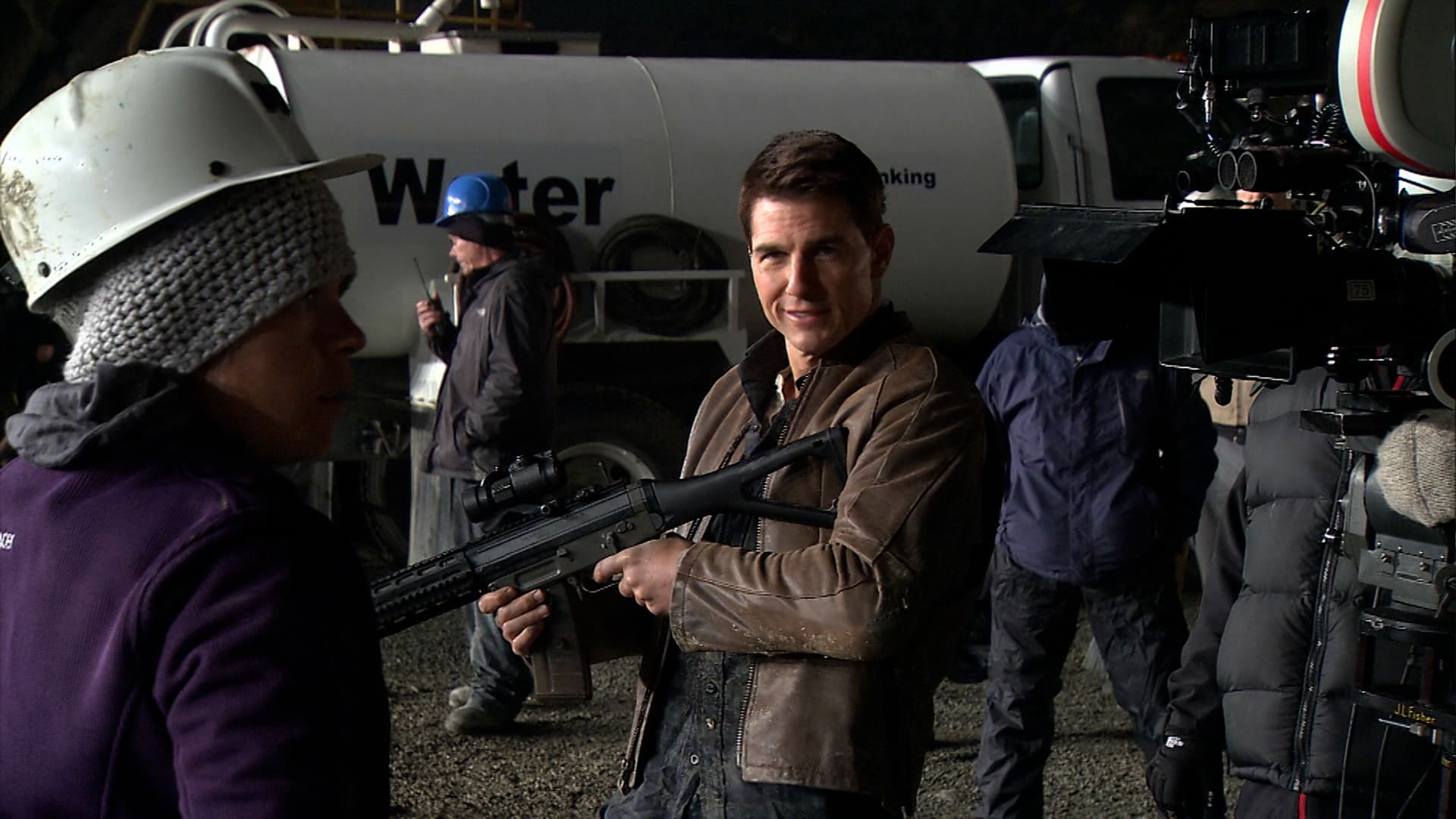
Released in 2012, Jack Reacher arrived during a period when audiences were becoming accustomed to fast-cut action sequences and increasingly elaborate visual effects. Directed by Christopher McQuarrie and based on Lee Child’s bestselling novel One Shot, the film took a different approach. Instead of relying on spectacle alone, it delivered a tightly constructed crime thriller centered on mystery, investigation, and grounded action. The story follows former military police investigator Jack Reacher as he examines what appears to be an open-and-shut case involving a sniper accused of killing five people, only to uncover a far more complex conspiracy beneath the surface.
The film also marked an important milestone in the creative partnership between Tom Cruise and Christopher McQuarrie. Before directing Jack Reacher, McQuarrie was already highly respected as the Oscar-winning screenwriter of The Usual Suspects and had collaborated with Cruise on projects including Valkyrie. Their shared passion for storytelling helped shape the film’s tone and structure. Both filmmakers prioritized narrative clarity and character development, creating a thriller that focused as much on suspense and intrigue as it did on action. That collaboration would later evolve into one of Hollywood’s most successful actor-director partnerships through the Mission: Impossible franchise.
One of the film’s most distinctive qualities is its commitment to realism. While many modern action movies rely heavily on rapid editing to create intensity, Jack Reacher allows viewers to see every punch, movement, and reaction. The fight scenes are designed to feel practical and believable rather than flashy. Cruise performed many of his own stunts and physical sequences, helping bring authenticity to the character’s confrontations. According to McQuarrie, the production deliberately avoided excessive editing, choosing instead to capture action in longer takes that emphasized physical performance and realism.
Another standout element is the film’s memorable car chase through Pittsburgh. Unlike many contemporary action sequences that depend on computer-generated imagery, the chase was built around practical driving and stunt work. Cruise spent significant time behind the wheel of a 1970 Chevrolet Chevelle, performing much of the driving himself. The result is a sequence that feels tense, unpredictable, and refreshingly old-school. Months of planning and coordination by the stunt team helped transform the chase into one of the movie’s most celebrated moments.
More than a decade after its release, Jack Reacher continues to stand out as a smart and effective action thriller. Its combination of strong storytelling, practical stunts, realistic combat, and compelling performances has helped it maintain a loyal following. While it may not receive as much attention as some of Tom Cruise’s larger blockbuster franchises, the film remains an excellent example of how thoughtful filmmaking and grounded action can create a lasting impact. For fans of crime thrillers and practical action cinema, Jack Reacher remains well worth revisiting.