The Hidden Ghost Trees of California Redwood Forests
Published On March 17, 2026 07:33 PM
Rare albino redwood trees in California forests may filter toxins and reveal new secrets about one of the tallest tree species on Earth.
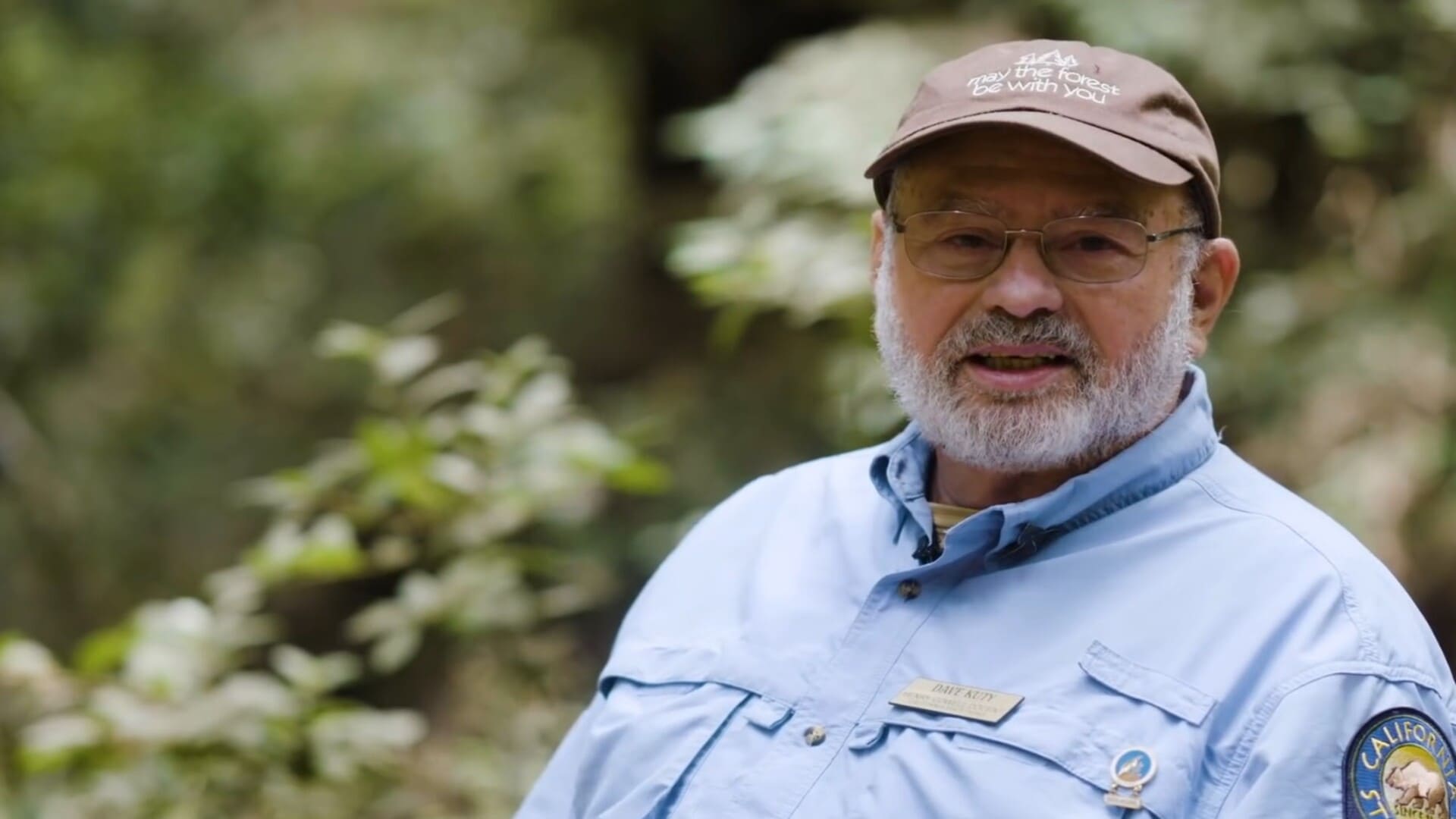
Deep within the towering canopy of the California redwood forests, sunlight struggles to reach the ground. These forests are among the darkest on Earth because the immense height and density of the trees create layers of shadow. In this quiet environment, some of the most unusual trees in the world can be found. Among them are the rare albino redwoods, mysterious pale trees that lack the green pigment normally essential for plant life. These strange trees have fascinated scientists, park visitors, and conservationists for decades. One person who has dedicated years to studying them is Dave Cuddy, a volunteer naturalist and docent at Henry Cowell Redwoods State Park. After spending many years working as an engineer in Silicon Valley, he chose to devote his time to exploring and protecting the forests he had admired for decades. His long relationship with the redwood ecosystem has allowed him to notice subtle changes in the forest environment that others might miss. Coastal redwoods, scientifically known as Sequoia sempervirens, are the tallest trees on Earth and can live for thousands of years. Their wood is naturally resistant to decay and insects, which contributes to their remarkable longevity. Hidden among the millions of redwoods in California are only a handful of albino specimens, making them one of the rarest forms of tree life in the region. These unusual trees lack chlorophyll, the pigment that allows plants to convert sunlight into energy. Without chlorophyll they cannot produce their own food and must survive by connecting to nearby redwoods through their root systems.
Scientists believe albino redwoods may play a surprising ecological role within the forest. Research suggests that these trees absorb unusually high levels of heavy metals such as nickel from the soil. In typical plants, these metals would damage chlorophyll and disrupt photosynthesis. Because albino redwoods do not contain chlorophyll, they can tolerate these elements without harm. Some researchers have therefore proposed that the trees may function like a natural filtration system, helping remove toxins from the surrounding soil and protecting nearby trees. This idea has led to comparisons with how a liver filters harmful substances in animals. Although the theory continues to be studied, it highlights how little is fully understood about these rare trees. Protecting them has become an important priority for park staff and volunteers. Early in his time working in the forest, Cuddy openly shared the locations of albino redwoods with visitors. Unfortunately, curiosity sometimes led people to damage the delicate trees by touching or breaking small pieces from their branches. As a result, the locations of these rare specimens are now carefully protected to prevent further harm. Redwood forests themselves are considered one of the great natural treasures of the planet. Their massive trunks, immense age, and complex ecosystems support countless species of plants and animals. The presence of albino redwoods adds another layer of mystery to these ancient landscapes. For those who study them, the forests continue to reveal new secrets and remind visitors how much of nature remains unexplored.