The Apollo Theatre and the Art of Being Booed Off Stage
Published On April 13, 2026 07:01 PM
Inside the Apollo Theatre, where audience reactions shape careers and performers face the ultimate test of live talent.
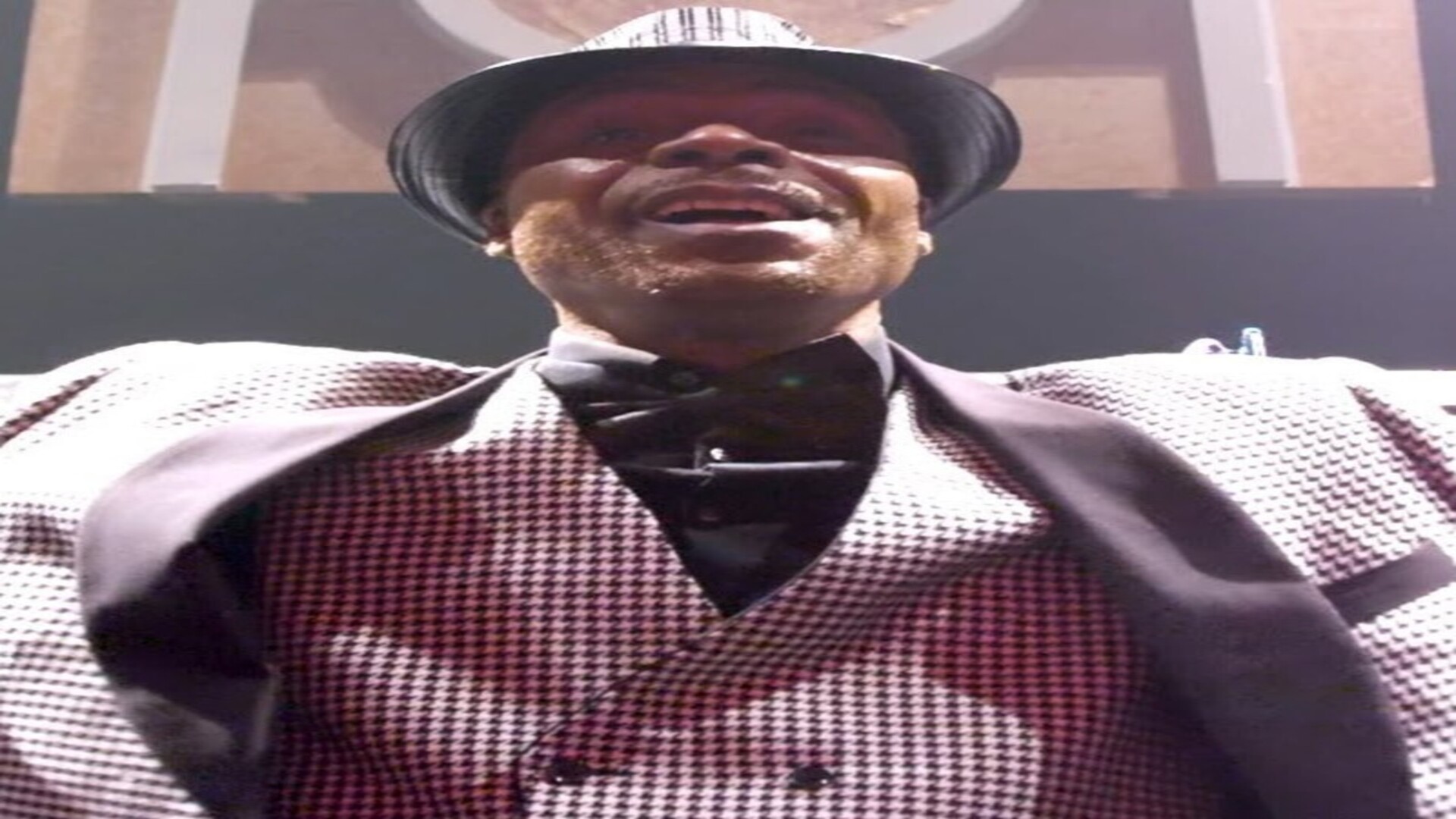
At the heart of Harlem stands a legendary venue where talent is celebrated, tested, and sometimes rejected in the most dramatic way. The Apollo Theatre has long been a stage where performers either rise to fame or face the unforgiving reaction of a live audience. Its famous amateur night is one of the earliest talent competitions, predating modern shows and shaping the format seen across television today. Here, singers, dancers, comedians, and performers of all kinds step into the spotlight, knowing that the audience holds the final verdict. Cheers can launch a career, while boos can end a performance in seconds. This unique tradition has made the Apollo Theatre a symbol of raw honesty in entertainment. It is not just about performance but about connection with the audience. The environment is electric, unpredictable, and deeply rooted in cultural history. For decades, the stage has welcomed some of the most influential artists in music and performance, including Ella Fitzgerald, Sammy Davis Junior, James Brown, and Lauryn Hill. Their journeys reflect how the Apollo has served as both a proving ground and a launching platform for greatness.
Among the most recognisable figures of this tradition is C.P. Lacey, known as the executioner of the Apollo stage. His role is both feared and respected. When the audience’s disapproval reaches a certain level, marked by increasing boos and a rising noise meter backstage, he steps in to remove the performer from the stage. This act, though theatrical, represents the honest judgment of the crowd. Lacey often performs in character, channelling legendary entertainers like Michael Jackson, James Brown, and Prince while escorting contestants off stage. His presence adds humour and spectacle to what can be a difficult moment for performers. Despite the dramatic nature of his role, he carries a deeper purpose. After the show, he often speaks with those who were booed, encouraging them to improve their craft and return stronger. This reflects the core philosophy of the Apollo Theatre, where failure is not final but part of growth. The audience itself plays a vital role in this experience, actively shaping each performance and becoming part of the show. The Apollo remains a place where authenticity matters most, where talent must be earned, and where even rejection can become a step toward success.