The Aldabra tortoise, a giant of longevity and resilience
Published On July 21, 2026 06:18 AM
Discover the Aldabra tortoise, a giant species with remarkable longevity, unique traits, and conservation challenges.
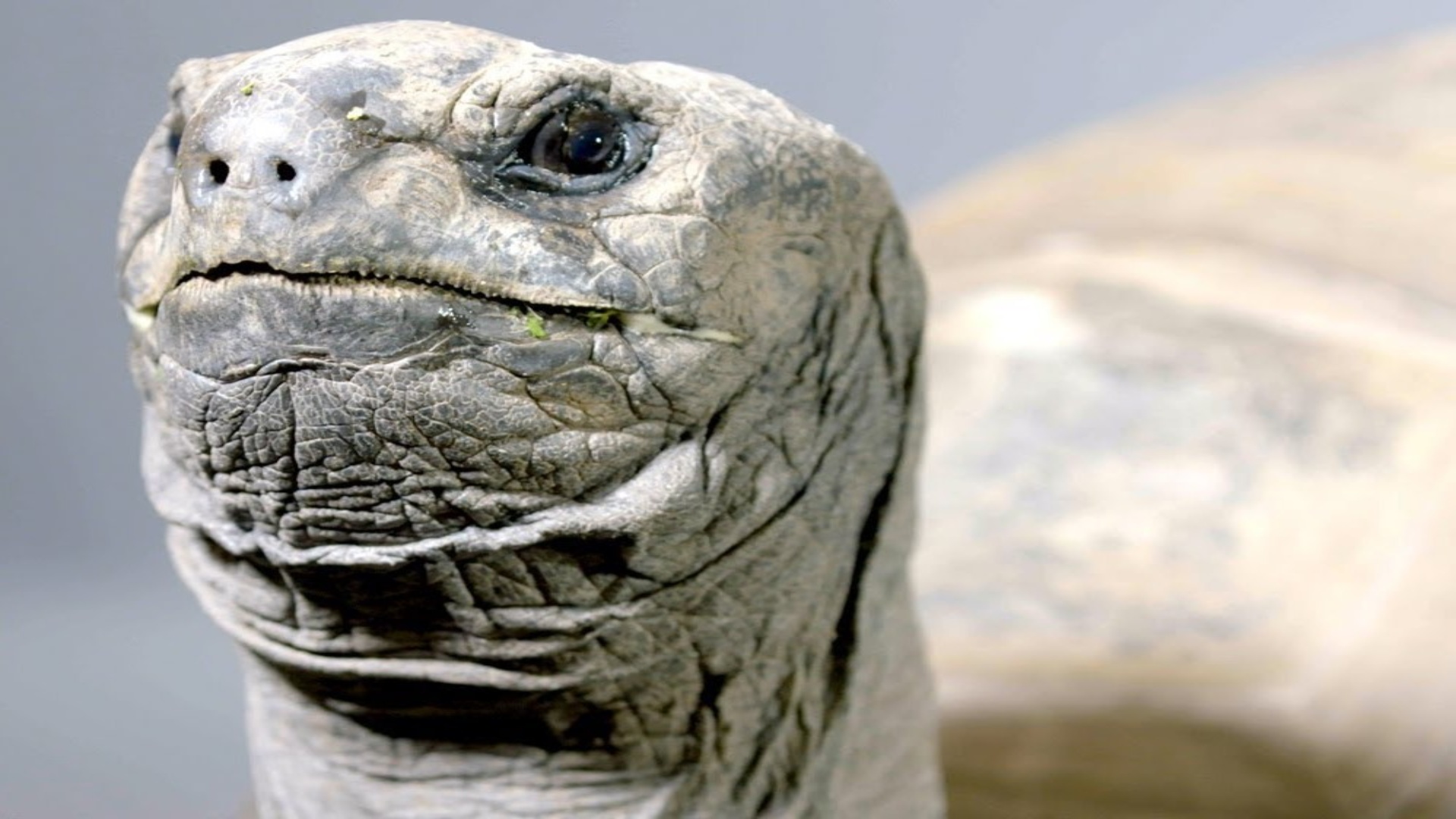
This is Mr. Mac, an Aldabra tortoise, one of the largest tortoise species in the world and possibly the longest-living creature on the planet. These tortoises are capable of surpassing 180 years of age, a lifespan that has fascinated scientists, conservationists, and animal enthusiasts alike. Their incredible longevity is coupled with a calm and deliberate lifestyle, allowing them to thrive in environments that would challenge many other species. Observing an Aldabra tortoise in the wild or in conservation programs is like witnessing a living piece of history, with each tortoise carrying generations of survival adaptations.
The Aldabra tortoise hails from the Aldabra Atoll, a remote cluster of coral islands in the Indian Ocean. This isolated habitat has allowed the species to evolve into one of the largest tortoises on Earth. Endowed with a domed shell, long neck, and powerful claws, these tortoises can reach lengths exceeding four feet and weigh as much as 500 pounds. Their size and strength make them well adapted to navigating the grasslands and scrublands of the atoll, while their slow and steady movements conserve energy over decades of life.
Diet plays a central role in the tortoise’s survival. Aldabra tortoises feed on dry, nutrient-rich vegetation found throughout the grasslands. They are famously persistent eaters, willing to stretch their long necks or patiently forage for the most desirable blades of grass. Their digestive system is designed to extract maximum nutrition from tough, fibrous plants, allowing them to survive in environments where food availability may fluctuate seasonally. These dietary habits have contributed to their remarkable lifespan and overall resilience.
Despite their adaptations, Aldabra tortoises face increasing challenges. Habitat destruction caused by human activity, including agricultural expansion and development, has reduced their foraging areas. Climate change has further complicated survival, affecting the availability of fresh vegetation and altering their delicate ecosystems. Conservation programs, including habitat preservation and breeding initiatives, play a vital role in ensuring that these giant tortoises continue to thrive in their native islands. Protecting the Aldabra Atoll is critical not only for the tortoises but also for the wider ecological balance of the region.
Ultimately, the Aldabra tortoise is a remarkable example of endurance and adaptation. Its combination of massive size, slow and deliberate behavior, and incredible longevity makes it a unique presence in the animal kingdom. Studying these tortoises offers insight into aging, resilience, and the importance of habitat preservation. For nature enthusiasts, the Aldabra tortoise serves as a symbol of the planet’s natural heritage and a reminder of the urgent need to protect endangered and vulnerable species. Its calm strength and enduring existence inspire respect and admiration for both the species and the fragile ecosystems it inhabits.