Taste, Sound & Sculpture: Inside Jordan Kahn’s Vespertine
Published On August 25, 2026 12:48 PM
Embark on a culinary journey unlike any other as we delve into the avant garde realm of Vespertine nestled in the heart of Los Angeles
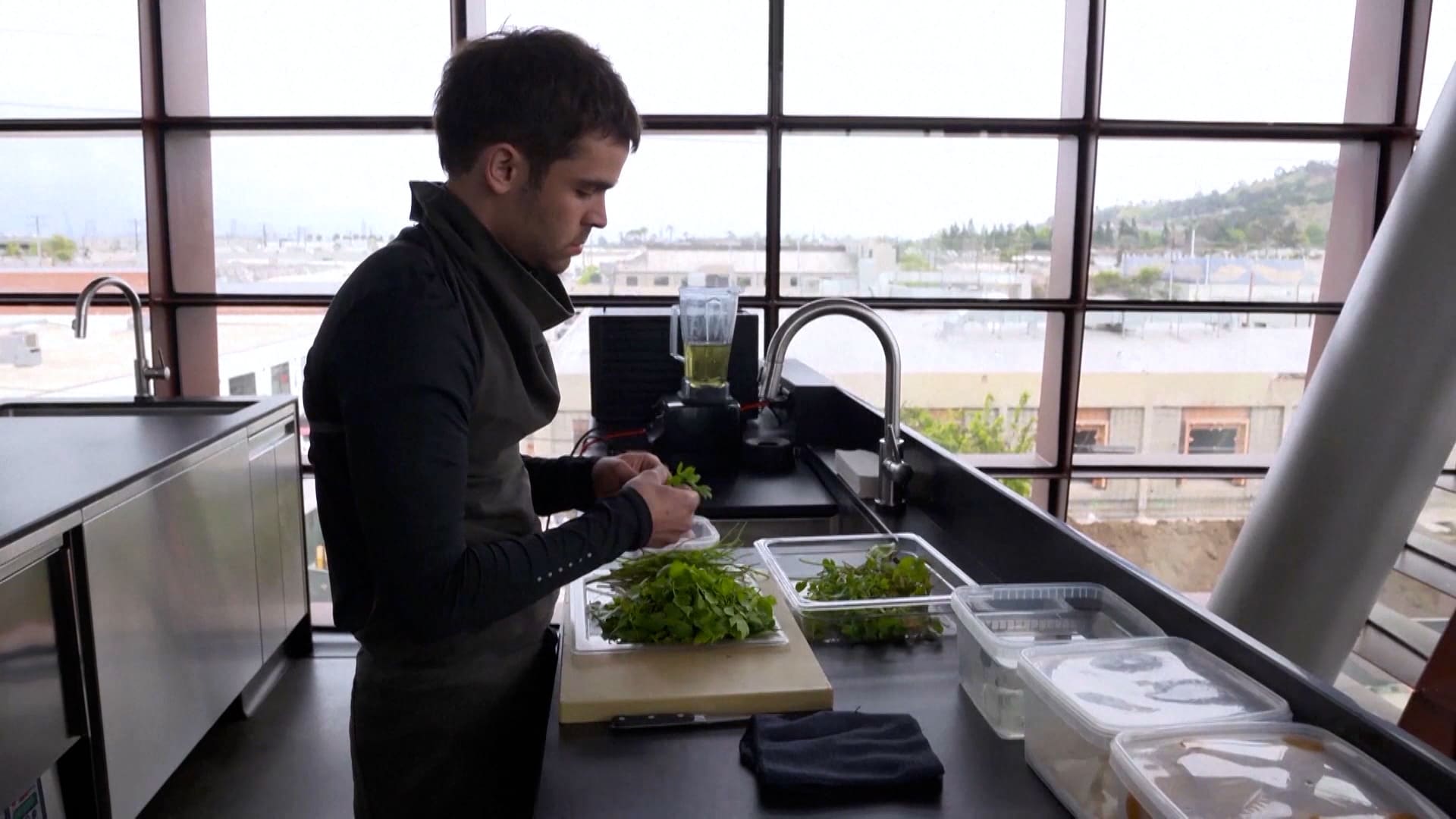
Some restaurants aim to serve memorable food, but Vespertine in Los Angeles was conceived as something much more immersive. Created by chef Jordan Kahn, the restaurant combines cuisine with architecture, sound, sculpture and visual art to create a carefully constructed experience. Rather than asking guests to remember every individual dish, Kahn focuses on the emotional connection left behind by the entire evening. His philosophy is that diners may forget many courses months later, but the feeling created by an extraordinary experience can remain much longer.
That approach begins with the building itself. Vespertine occupies a striking structure in Culver City designed by architect Eric Owen Moss, commonly nicknamed the Waffle because of its unusual exterior. Its futuristic architecture immediately separates the restaurant from a conventional dining room. Guests move through different spaces during their visit, making exploration part of the evening. Kahn describes the environment as a world that diners can enter and experience individually, meaning the journey does not necessarily feel identical for everyone.
Sound plays an equally important role. Post-rock group This Will Destroy You created music for Vespertine, giving the restaurant an atmospheric score that supports its unusual surroundings. The band's work has also appeared in connection with films and other visual media, making its cinematic sound particularly suited to Kahn's concept. Combined with architecture and carefully controlled presentation, the music helps Vespertine borrow qualities from film, theater and performance without becoming any one of those things.
Art is integrated through collaboration rather than simply being placed around the restaurant as decoration. Kahn has described inviting artists to experience dinner before discussing how their work might become part of Vespertine's larger world. The challenge is then to incorporate those contributions without disrupting the overall atmosphere. Food remains central to the experience, with an elaborate tasting menu designed to work alongside these artistic elements rather than exist separately from them.
Vespertine ultimately challenges the traditional idea of what fine dining can be. A meal becomes part of a larger sensory journey in which flavor, sound, space and art constantly interact. The experience comes at a premium price, but exclusivity is only part of its identity. What Kahn appears most interested in creating is a lasting memory, something guests continue thinking about after individual dishes have faded from memory. At Vespertine, dinner is not simply served, it is staged as an entire world waiting to be explored.