Steven Soderbergh’s Secret to Making Iconic Movies Revealed
Published On June 02, 2026 11:12 AM
It’s time to zoom in on the career of Oscar winning director Steven Soderbergh and, more importantly, find out what makes him so great. But first, a quick introduction
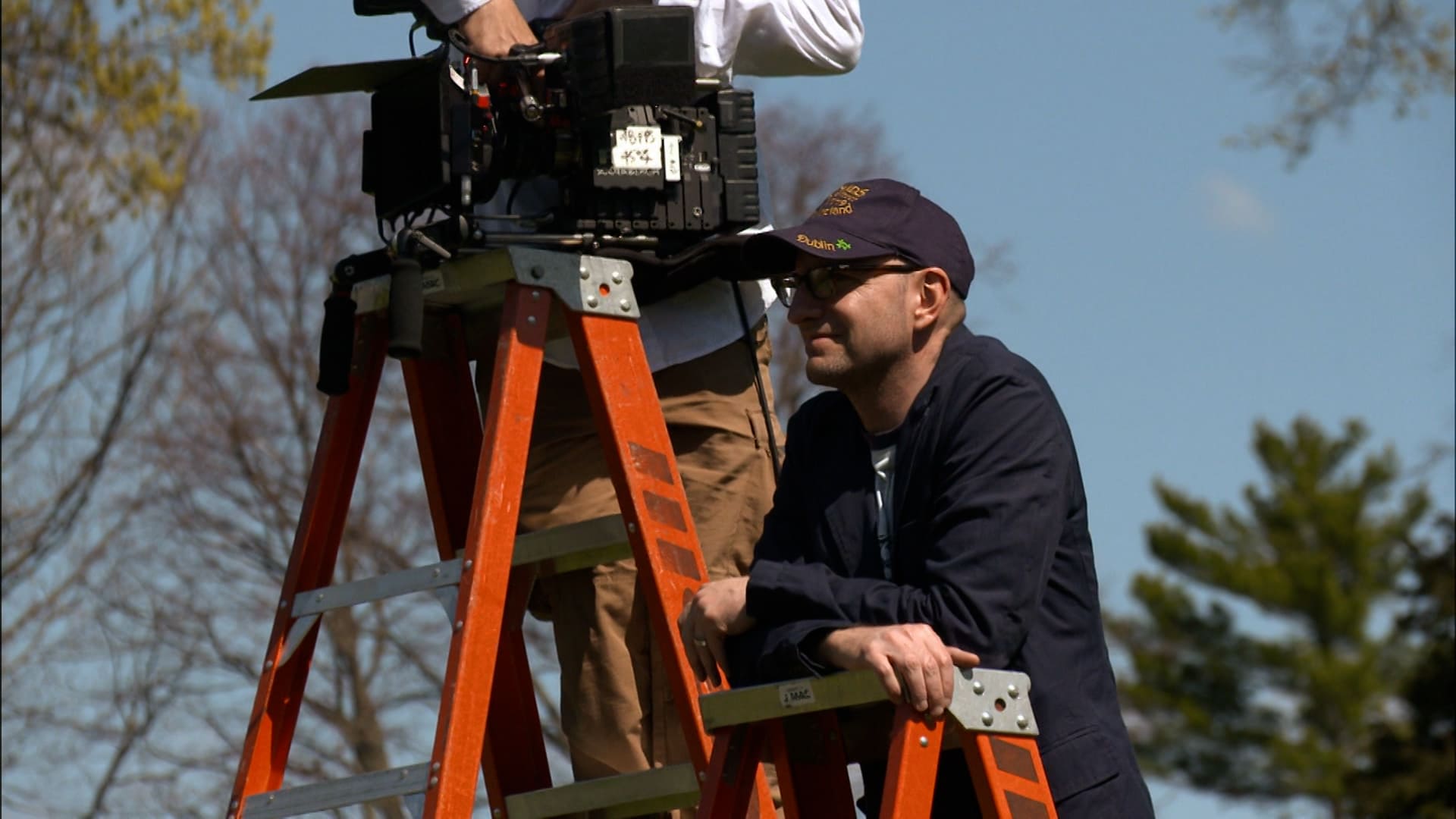
Few modern filmmakers have built a career as diverse and influential as Steven Soderbergh. Over the years, he has directed acclaimed independent films, major Hollywood productions, crime dramas, thrillers, comedies, and experimental projects, earning a reputation as one of the most versatile directors working today. His breakthrough arrived in 1989 with Sex, Lies, and Videotape, a low-budget independent film that became a critical and commercial success. The achievement established Soderbergh as a major creative force and opened the door to further opportunities throughout the 1990s. His career reached another important milestone with Out of Sight, starring George Clooney and Jennifer Lopez. The film demonstrated his ability to blend style, character development, and commercial appeal. From there, Soderbergh went on to direct a wide range of successful films, including Traffic, Erin Brockovich, Contagion, the Ocean's Eleven franchise, and Magic Mike. Despite the variety of genres he explores, one principle remains consistent throughout his work. Soderbergh places characters at the center of every story. Whether he is directing a large-scale production or a smaller independent project, character development drives the narrative. His 2013 psychological thriller Side Effects is a strong example of this approach, focusing deeply on human behavior, motivation, and emotional complexity. This commitment to character-driven storytelling has become one of the defining features of his filmmaking style and continues to distinguish his work from many contemporary directors working in the industry today.
Another reason Soderbergh remains highly respected is his willingness to experiment both creatively and technically. Many of his films reflect his personal interests and social concerns, often exploring issues that he believes deserve public attention. Rather than separating entertainment from commentary, he frequently combines the two. Side Effects, for example, examines concerns surrounding the pharmaceutical industry and the widespread use of prescription medication. Beyond thematic content, Soderbergh is known for an unconventional visual style that often creates a realistic and immersive viewing experience. He frequently uses handheld cameras, over-the-shoulder framing, and partially obstructed shots to make audiences feel as though they are observing real events as they unfold. These techniques contribute to the documentary-like atmosphere found in many of his films. His commitment to experimentation is perhaps best demonstrated by Unsane, which was famously shot using a smartphone rather than traditional filmmaking equipment. Soderbergh also takes on multiple production roles that are typically handled by separate professionals. In addition to directing, he often serves as cinematographer, camera operator, and editor on his projects. This level of involvement gives him extraordinary creative control and allows him to shape every aspect of the final product. Few filmmakers possess the technical skills and artistic confidence required to manage so many responsibilities simultaneously. His ability to move effortlessly between genres while maintaining a distinctive creative voice has earned admiration from audiences and industry professionals alike. Through innovation, versatility, and dedication to storytelling, Steven Soderbergh has established himself as one of the most influential filmmakers of his generation and continues to inspire directors around the world through his unique approach to modern cinema.