Science Under the Ice Reveals Antarctica’s Hidden Ocean Life
Published On April 09, 2026 05:41 PM
Scientists dive beneath Antarctic ice to study unique marine life and track the impact of climate change on fragile ecosystems.
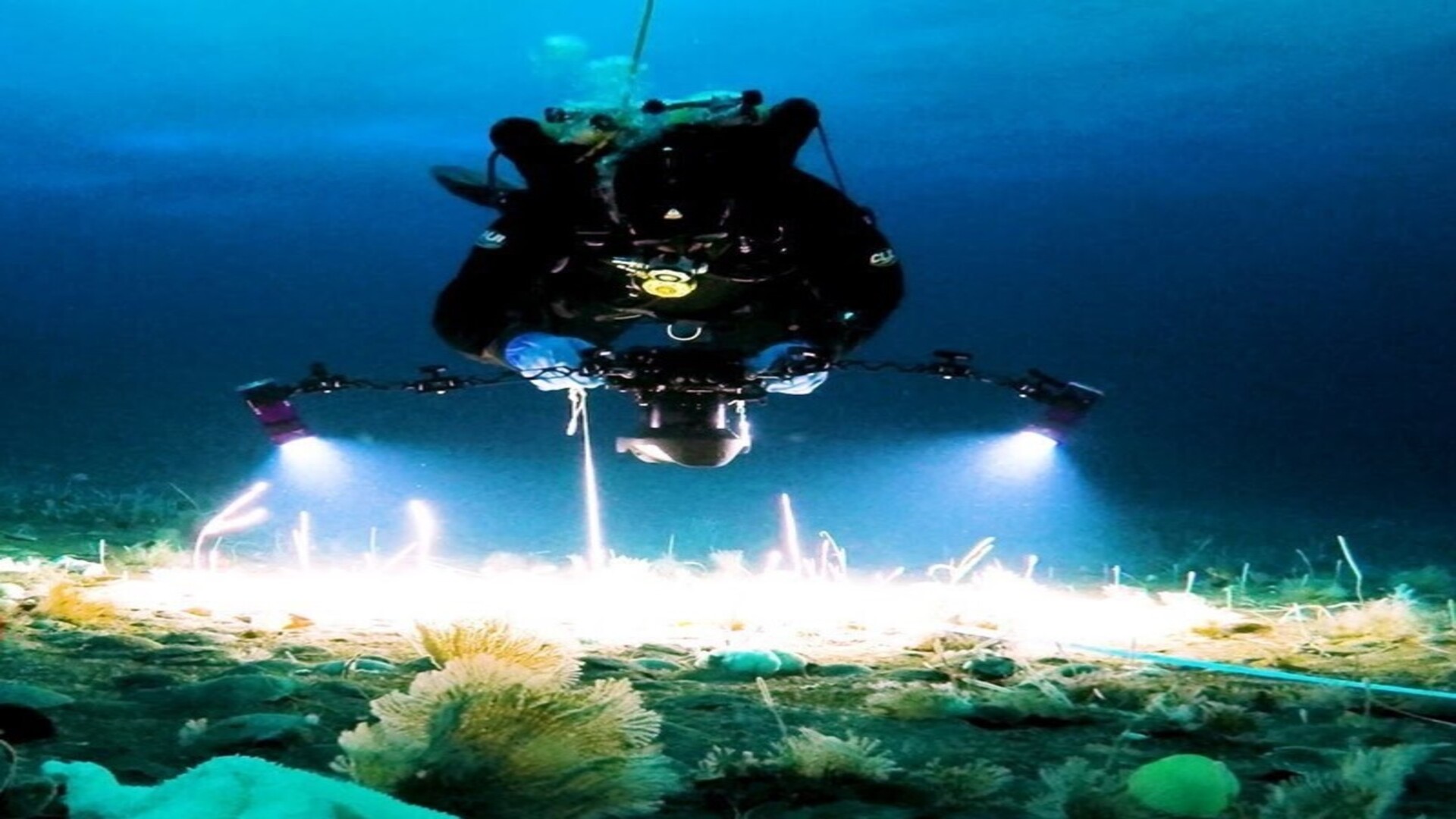
Beneath the frozen surface of Antarctica lies a world few people will ever see, a fragile and fascinating ecosystem that scientists are racing to understand. In one of the most extreme environments on Earth, researchers are diving under thick sea ice to study organisms that exist nowhere else. Leading this effort is Drew Lohrer, principal investigator of a project known as Science Under the Ice. The mission focuses on understanding how seafloor life responds to climate related changes. Antarctica’s icy waters may appear lifeless from above, but below the surface exists a complex network of organisms that play a crucial role in the global ecosystem. These species are not only unique but also highly sensitive to environmental shifts. As climate patterns evolve, scientists are working to document these ecosystems before significant changes occur. The research is conducted in remote locations such as Explorers Cove in the Ross Sea, where a small team of scientists and divers operate in harsh and isolated conditions. Their work combines advanced scientific techniques with physically demanding fieldwork, offering rare insights into a largely unexplored environment.
The process of studying life beneath the ice is both technically challenging and physically intense. Divers must cut through thick layers of sea ice and descend into waters that reach temperatures of minus two degrees Celsius. Equipped with specialised gear, they deploy experimental tools such as incubation chambers on the seafloor to observe how organisms respond to changing conditions. They also conduct detailed surveys and collect samples for isotopic analysis, which helps reconstruct food webs and track ecological shifts over time. The underwater environment is unlike any other, with dim light filtering through the ice and creating an almost otherworldly atmosphere. Visibility is remarkably clear, giving divers the sensation of floating in open air. Despite the beauty, the risks are significant, and every dive requires careful planning and precision. Beyond the science, the project highlights the urgency of understanding climate change. Observations from recent expeditions suggest that environmental changes are occurring faster than expected, reinforcing predictions made by climate models. By documenting these ecosystems now, researchers hope to better understand future impacts and inform global conservation efforts. Science Under the Ice stands as a powerful example of how exploration and research can reveal hidden worlds while addressing some of the most pressing challenges facing the planet today.