Rani Ki Vav, India’s magnificent Queen’s Stepwell
Published On June 05, 2026 02:17 PM
Discover Rani Ki Vav, an extraordinary stepwell in India that combines engineering, history, art, and royal devotion in one stunning monument.
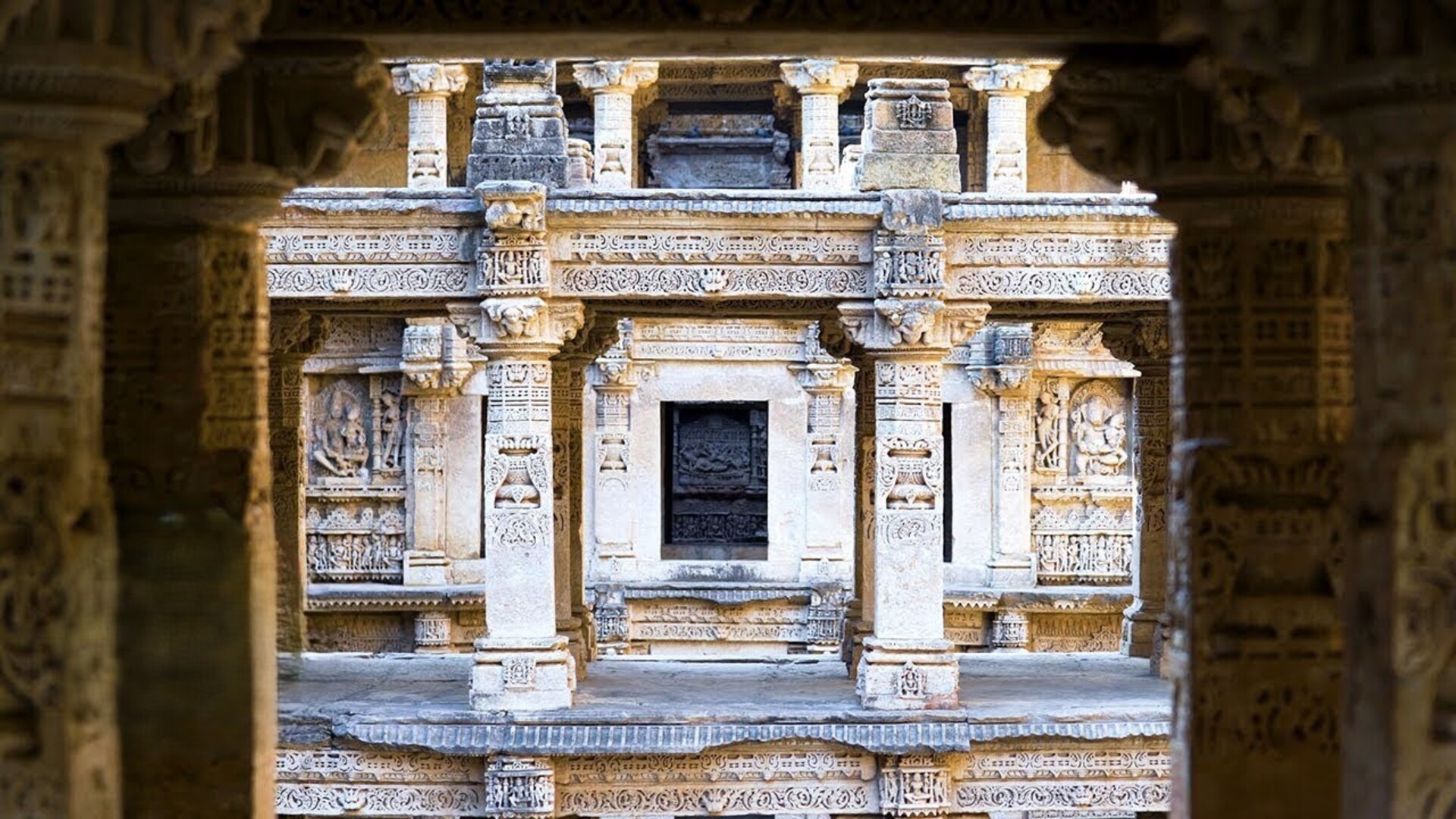
Rani Ki Vav is one of India’s most remarkable historical monuments and a masterpiece of ancient engineering. Located in the town of Patan, this spectacular stepwell stretches approximately 200 feet in length, 65 feet in width, and descends nearly 90 feet into the ground. Unlike ordinary wells, Rani Ki Vav was designed as a seven level inverted temple, combining practical water storage with artistic and spiritual significance. The structure dates back to the 11th century and was commissioned by Queen Udayamati in memory of her husband, King Bhimdev I of the Solanki dynasty. This unusual dedication makes the monument unique because, throughout history, many grand structures were built by kings to honour queens, whereas Rani Ki Vav was created by a queen to honour her king. Its name translates to “The Queen’s Stepwell", reflecting both its royal origins and its cultural importance. Stepwells were once common across India and served a vital role in collecting and storing water in regions affected by seasonal droughts. However, they were much more than functional reservoirs. These spaces became gathering places where people met, socialised, exchanged ideas, and participated in community life. Rani Ki Vav represents the finest example of this tradition. The monument contains more than 500 principal sculptures and over 1,000 smaller carvings depicting religious figures, mythological stories, and symbols from Hindu culture. Every level of the structure showcases detailed craftsmanship that reflects the artistic excellence of the period. The combination of architecture, sculpture, and engineering demonstrates how ancient builders integrated beauty with practicality. Visitors descending into the stepwell experience a journey through layers of history, art, and spirituality while observing the intricate details preserved within its walls. The monument remains an important reminder of the sophisticated knowledge and cultural achievements of mediaeval India.
The significance of Rani Ki Vav extends far beyond its impressive appearance. During the height of stepwell construction, India is believed to have contained nearly 3,000 such structures. Today, only about 1,000 survive, making preserved examples increasingly valuable for historians, archaeologists, and visitors alike. Rani Ki Vav stands out because of its exceptional condition, artistic richness, and historical importance. The monument provides valuable insight into the social customs, religious beliefs, engineering techniques, and daily life of people who lived nearly a thousand years ago. Each sculpture contributes to a larger visual narrative that helps modern audiences understand traditions from the past. The stepwell also highlights the important role women occasionally played in shaping public architecture and preserving royal legacies. Over the centuries, flooding and natural changes buried portions of the structure beneath sediment, helping to protect many carvings from damage. Later restoration efforts revealed the extraordinary detail hidden beneath the earth and brought renewed attention to the monument’s significance. Today, visitors from around the world travel to Patan to admire its artistic beauty and historical value. The monument serves as both an educational resource and a symbol of India’s rich architectural heritage. Walking through its descending corridors offers a unique perspective on how ancient societies combined necessity, religion, and artistic expression into a single structure. Rani Ki Vav continues to inspire architects, historians, and travellers because it demonstrates how infrastructure can become a lasting cultural treasure. Its remarkable preservation allows modern generations to experience a tangible connection with the creativity and ingenuity of the past. Through its sculptures, design, and history, the Queen’s Stepwell remains one of the finest surviving examples of mediaeval Indian architecture and a powerful reminder of the traditions that shaped the region for centuries.