Nasir al-Mulk Mosque, the stunning rainbow mosque
Published On May 07, 2026 02:01 PM
Discover the colourful beauty of Nasir al-Mulk Mosque and its magical stained glass interiors.
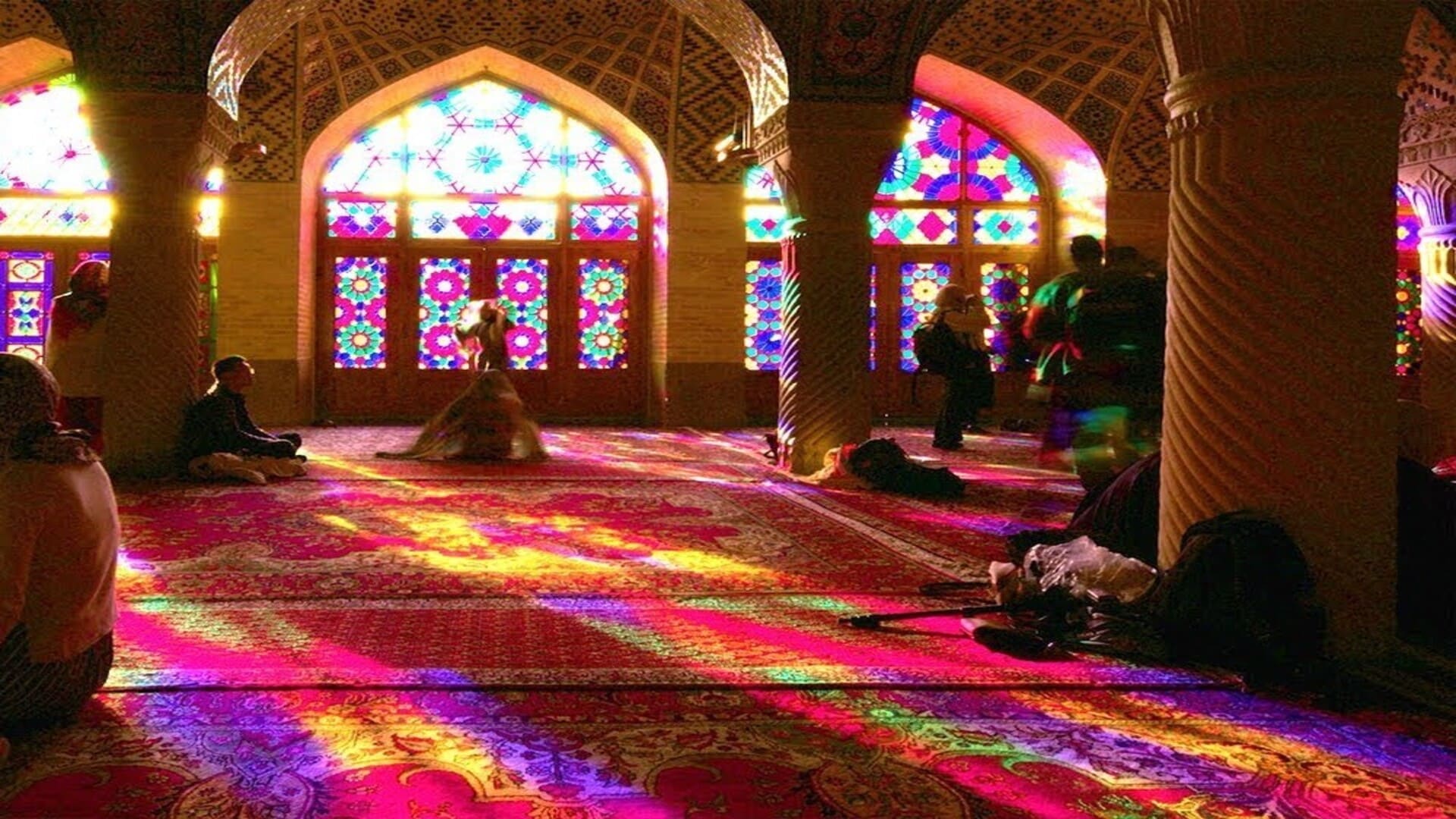
The breathtaking beauty of the Nasir al-Mulk Mosque is unlike anything most visitors expect from traditional religious architecture, revealing a hidden spectacle of colour and light that transforms the space into something almost dreamlike. Located in Shiraz, this mosque is widely known as the Pink Mosque due to the soft rose coloured tiles that decorate its interior walls and ceilings. Built in 1888 during the Qajar era, it took over a decade to complete, reflecting the craftsmanship and artistic dedication of Persian architecture. At first glance, its exterior appears modest compared to other grand mosques, but stepping inside reveals its true magic. The defining feature is its extraordinary use of stained glass windows, a design element rarely found in traditional mosques. These windows stretch across one side of the prayer hall, filtering sunlight into vibrant patterns that dance across the floors and walls. The combination of intricate geometric designs, colourful glass, and Persian carpets creates an atmosphere that feels both spiritual and surreal. This careful balance of structure and artistry highlights the ingenuity of Islamic design, where beauty and function coexist seamlessly to enhance the experience of worship.
What makes the Nasir al-Mulk Mosque truly special is how it interacts with time, particularly during the early hours of the day. As the morning sun rises, light streams through the stained glass, casting a spectrum of colours across the interior, turning the mosque into a living canvas of shifting hues. This phenomenon was not accidental but intentionally designed to create a calm and reflective environment for prayer, encouraging a sense of peace and connection. The arches, columns, and symmetrical layout further amplify this effect, guiding both light and movement through the space in harmony. Today, the mosque attracts visitors from around the world, not only for its religious significance but also for its visual impact, making it one of the most photographed landmarks in Iran. Yet beyond its popularity on social media, it remains an active place of worship where tradition continues alongside admiration from tourists. The Nasir al-Mulk Mosque stands as a powerful reminder of how architecture can transcend functionality, becoming an emotional and sensory experience. It captures the essence of Persian artistry, where light, colour, and spirituality come together to create a space that inspires both devotion and wonder.