MILCK turning pain into empowerment through music
Published On May 11, 2026 04:18 AM
Discover how MILCK transformed personal struggles into powerful music that inspired millions through her viral anthem ‘Quiet’ and global message of healing.
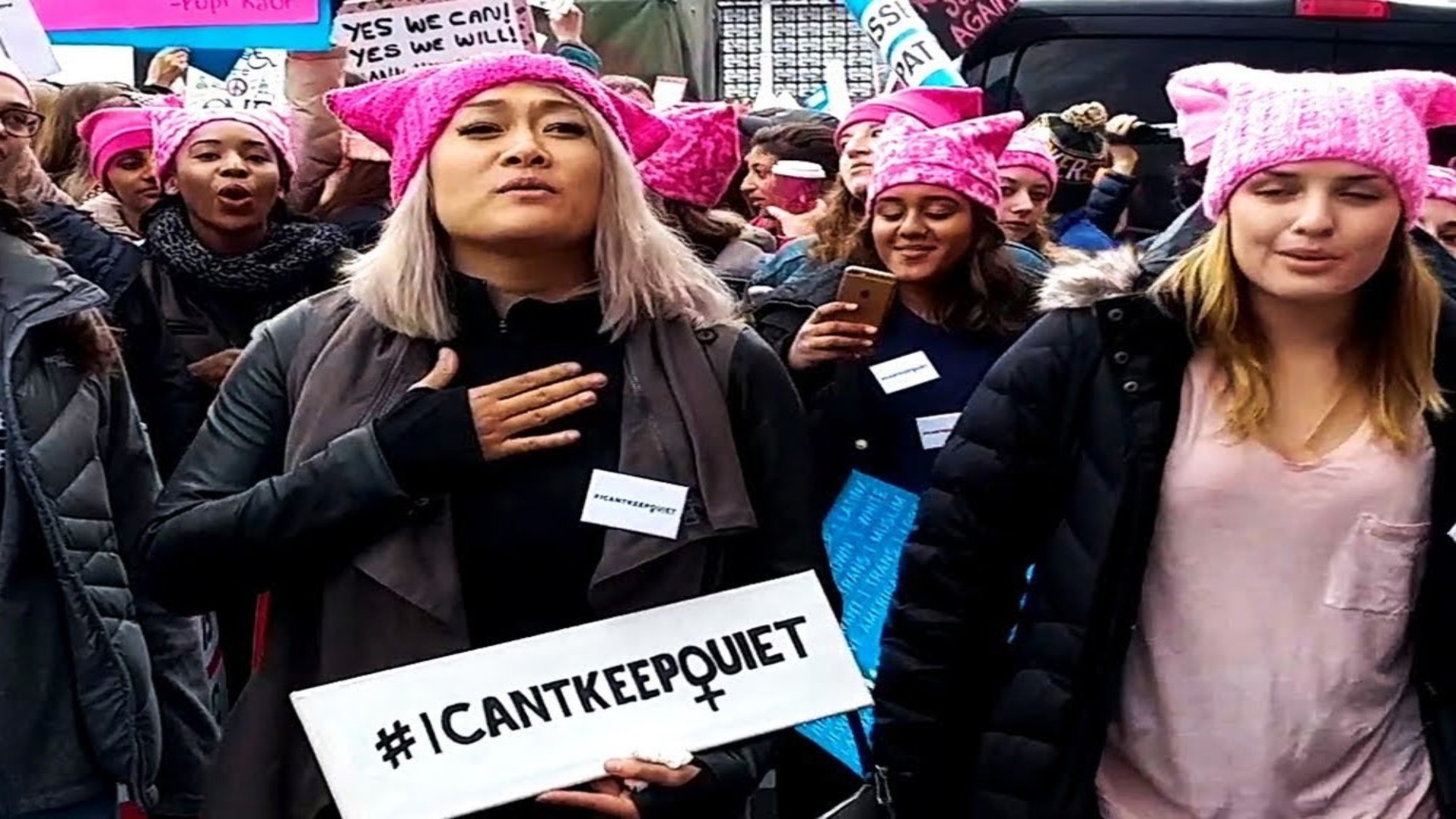
MILCK, whose real name is Connie Lim, transformed personal pain into a global message of healing and empowerment through her music. From a young age, music became her emotional refuge and creative outlet. She began playing piano, singing, and writing songs when she was only seven years old, using songwriting as a way to process difficult experiences in her life. Connie openly shares that she survived abuse and struggled with an eating disorder, experiences that deeply shaped both her identity and artistic purpose. Rather than hiding those painful chapters, she channelled them into music that encourages honesty, emotional release, and resilience. Her mission as an artist is not simply to entertain but to help people heal through shared emotional experiences. One of her most influential songs, Quiet, became an anthem of empowerment and solidarity. The song expressed what she described as a gentle rage against oppression, stereotyping, control, and self doubt. Quiet gained international attention during the Women's March in Washington DC, where Connie organised groups of local women to perform the song together in public flash mobs throughout the city streets. Singing alongside other women transformed the song from a personal statement into a collective expression of unity and strength. Connie realised during those performances that her purpose involved bringing people together through music and creating spaces where individuals could feel seen, supported, and emotionally connected. The performances quickly spread online, and within only two days, the video attracted millions of viewers around the world. The response proved that Quiet resonated far beyond its original setting because many people identified with its themes of resilience, courage, and emotional survival. The viral success also marked a turning point in Connie’s career, leading to a recording contract and international recognition as an artist with a deeply meaningful message and emotional impact on audiences everywhere worldwide.
Following the success of Quiet, Connie Lim continued using her platform to encourage healing, empowerment, and inclusivity through music. She received messages from listeners around the world describing how the song helped them through depression, emotional struggles, and moments when they felt unable to continue. Many shared that listening to Quiet gave them the strength to get out of bed and face difficult days. For Connie, those personal stories reinforced her belief that music can create genuine emotional transformation. She views singing and songwriting as tools capable of building human connection and restoring hope. Rather than focusing solely on fame or commercial success, she remains committed to creating work that gives people comfort and courage during challenging periods in their lives. Connie also believes strongly in the power of collective singing. During the flash mob performances in Washington DC, she witnessed strangers forming powerful emotional bonds simply by singing together in public spaces. That experience shaped the direction of her career and strengthened her desire to facilitate healing communities through music. Her work reaches beyond women alone because she emphasises empowerment for men, women, and people of all gender identities. Through her art, she advocates for emotional openness and encourages people to embrace vulnerability instead of hiding pain. Connie’s journey demonstrates how creativity can emerge from hardship and become a force for positive social impact. By turning deeply personal experiences into songs that resonate globally, she created music that speaks to universal struggles involving identity, trauma, self worth, and resilience. Her story reflects the ability of art to inspire change, foster solidarity, and remind people that they are not alone in their experiences. Today, Connie continues to use her voice as both an artist and advocate, helping audiences around the world find healing, confidence, and emotional strength through the shared power of music and human connection in every community she reaches through her meaningful performances worldwide.