London street style and creative identity
Published On February 01, 2026 10:52 AM
A deep look at how London fashion reflects cultural diversity, sustainability, and personal expression through designers, artists, and makers.
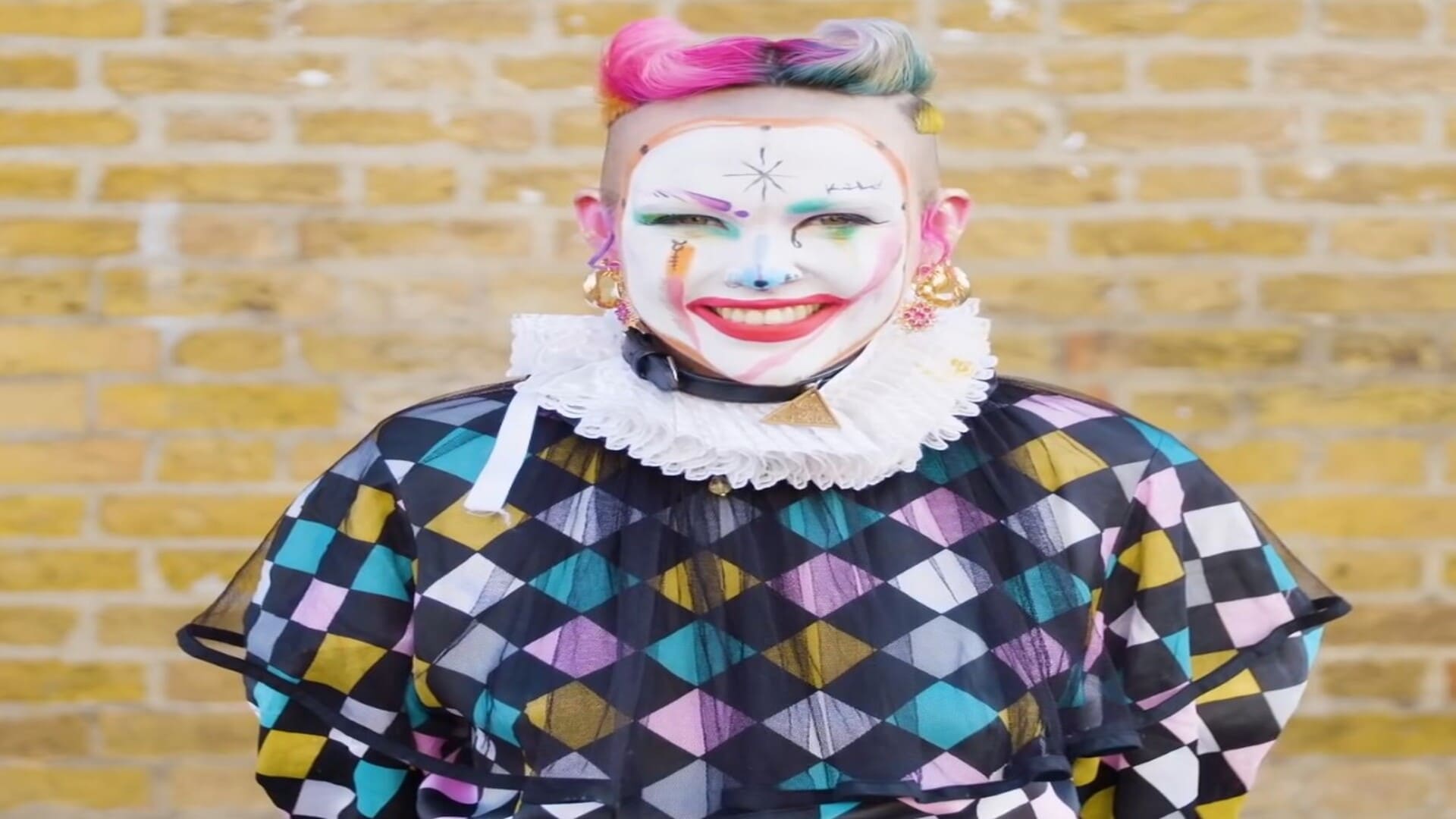
London street style reflects a city where identity, creativity and culture intersect every day. Fashion in London is not dictated by a single trend but shaped by people who use clothing, hair and craft to express who they are. In neighbourhoods across south and east London, salons, studios and shared spaces operate as creative hubs rather than businesses alone. A technicolour hair salon in Deptford welcomes all hair types, genders and backgrounds, turning self expression into living artwork. Stylists see the body as a canvas and colour as confidence, helping clients feel visible, safe and empowered. The city itself fuels this freedom because Londoners encounter difference daily and learn to celebrate it. Beyond salons, designers across the capital challenge how clothing is made and who it represents. Sustainable fashion has become a response to waste and exclusion, with creators sourcing unused materials and transforming them into garments with purpose. Denim that would otherwise be discarded is cut, rebuilt and reimagined to tell new stories. Runways and lookbooks are used to normalise representation, especially for Black creatives and models whose presence has often been limited. Fashion becomes a language for social dialogue where garments speak about heritage, environment and belonging. In London, style is not about perfection but about meaning, process and voice. These creative communities thrive through collaboration mentorship and shared resilience, proving that style in london grows strongest when people are encouraged to experiment connect and build spaces that honour difference and imagination together across the city's daily life
Heritage plays an equally powerful role in London fashion, where personal history informs modern design. In areas like Tottenham, designers blend Scottish textiles with Jamaican influence, creating menswear that respects tradition while introducing bold colour and pattern. Knitwear mills and historic manufacturers become partners in renewal, allowing craftsmanship to move forward rather than disappear. This balance between past and present gives garments emotional weight, connecting wearers to stories beyond the surface. On Savile Row, change has arrived through womenswear tailoring that challenges long standing gender barriers. A street once reserved for men's suits now includes spaces designed exclusively for women, redefining authority, elegance and fit. By prioritising fair pay, ethical production and creative leadership, these ateliers empower both the clients who wear the clothing and the makers who produce it. Jewellery artists add another layer by carving precious metals by hand, treating adornment as miniature sculpture that carries identity close to the skin. When such pieces are worn, they spark conversation, memory and recognition. Together these designers, artists and makers show that London fashion is not an industry driven only by commerce. It is a cultural ecosystem where visibility, representation and opportunity matter. The streets function as runways but also as meeting points where ideas circulate freely. Through sustainability, inclusivity and fearless experimentation, London continues to influence global style not by copying trends but by allowing people to be fully themselves. This openness ensures creativity remains accessible rooted and constantly renewed by everyday voices across generations communities and streets worldwide