Kawah Ijen volcano, blue flames and dangerous sulphur mining
Published On April 15, 2026 10:52 AM
Explore Kawah Ijen in Indonesia, where blue flames light the night and miners face extreme conditions to harvest sulphur.
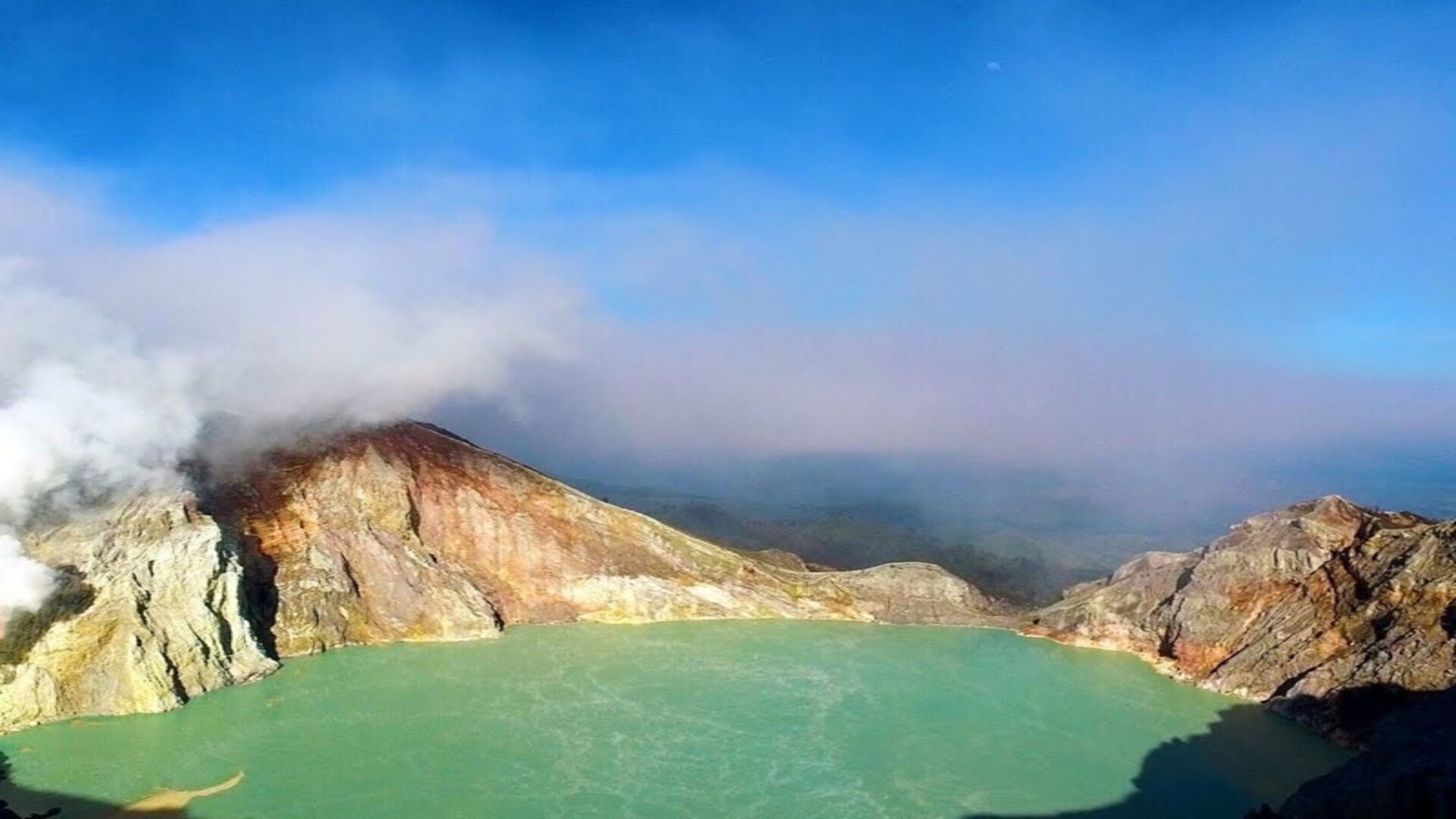
In the highlands of Java in Indonesia lies a volcanic landscape that appears calm and beautiful at first glance but hides one of the most extreme environments on Earth. Kawah Ijen volcano is known for its striking crater lake, a bluish green body of water that looks inviting yet is highly acidic and dangerously hot. With temperatures reaching around ninety degrees Fahrenheit and acidity levels strong enough to prevent life from surviving, the lake is one of the most hostile natural environments on the planet. No plants or animals live in or around it, creating a surreal and almost lifeless setting. What makes this volcano even more extraordinary is a rare natural phenomenon that occurs after dark. Instead of glowing red like typical lava flows, Kawah Ijen produces bright blue flames that light up the night. These flames are caused by sulphuric gases escaping from cracks in the earth and igniting when they come into contact with oxygen. As the gases cool, they solidify into bright yellow sulphur deposits, creating a dramatic contrast against the dark volcanic rock. This unusual combination of beauty and danger makes Kawah Ijen one of the most unique volcanic sites in the world.
Beyond its natural wonders, Kawah Ijen is also the site of one of the most physically demanding and hazardous occupations. Local miners climb the volcano daily to extract sulphur, working in conditions filled with toxic fumes that can harm their lungs and eyes. Using simple tools such as steel bars, they break apart solid sulphur deposits and carry heavy loads, sometimes weighing up to two hundred pounds, down steep and uneven terrain. The work is exhausting and dangerous, yet it remains a vital source of income for many families in the region. Despite the risks, the miners continue their labour, demonstrating remarkable resilience and determination. Visitors who travel to Kawah Ijen are often drawn by its rare blue flames and dramatic scenery, but they also witness the human effort behind the sulphur industry. The volcano stands as a powerful reminder of how natural beauty can coexist with harsh realities. It highlights the balance between nature’s wonders and the challenges faced by those who depend on it for survival. Kawah Ijen is not only a geological marvel but also a testament to human endurance in one of the world’s most extreme environments.