Japan’s snow monkeys, the wild animals enjoying winter hot springs
Published On August 28, 2026 02:39 PM
Discover how Japanese macaques survive freezing winters by relaxing in the natural hot springs of Jigokudani Valley.
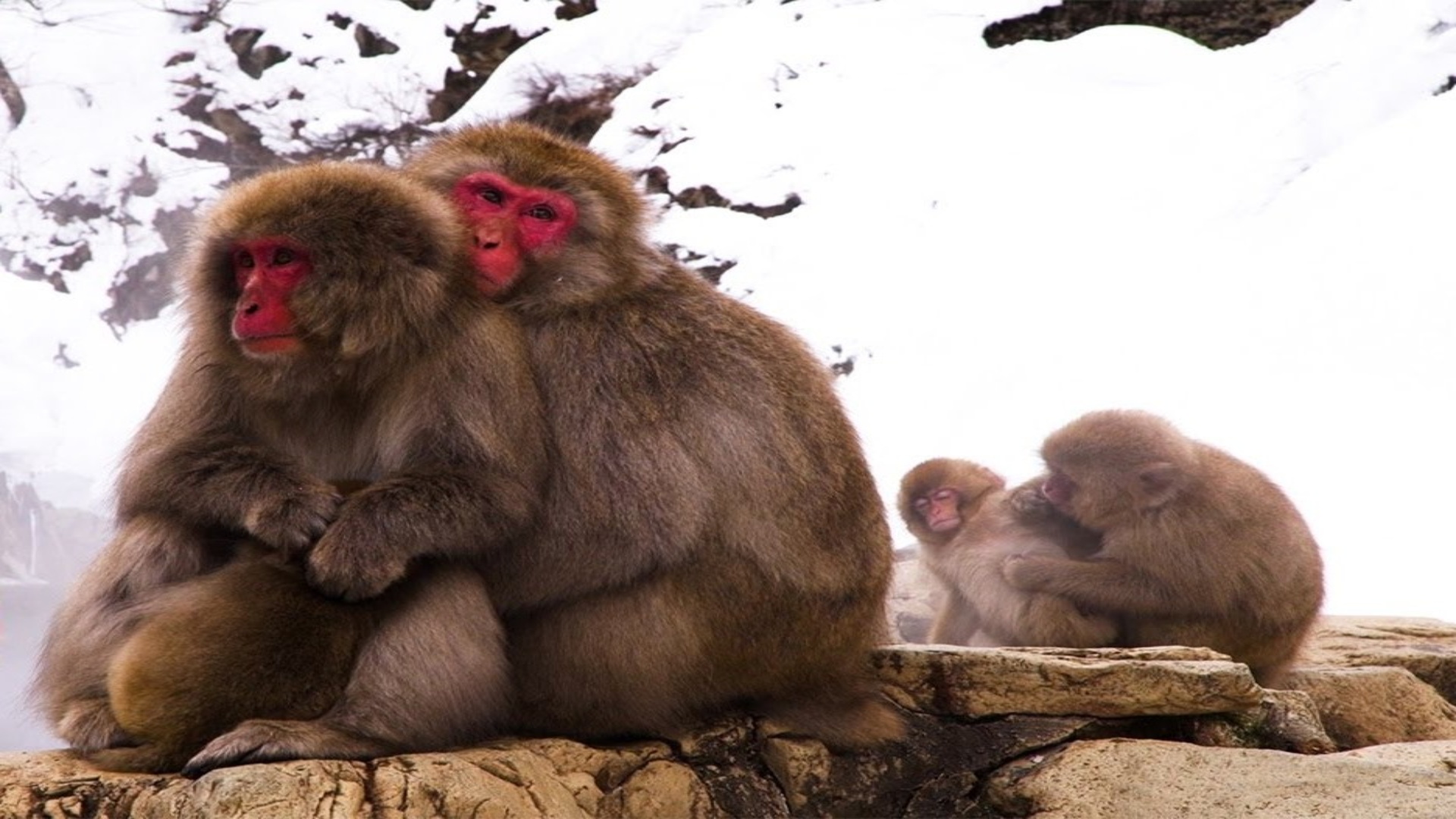
When winter covers the mountains of Japan with snow, one group of animals has discovered an unusual way to stay warm. Deep in the frozen landscape of Jigokudani Valley, Japanese macaques have become famous for relaxing in natural hot springs. These remarkable snow monkeys have adapted to one of the coldest environments in Japan by turning geothermal pools into their own winter retreat.
Located in Nagano Prefecture, Jigokudani Valley is a dramatic landscape known for steep cliffs, snowy forests, and rising steam from natural hot springs. The area’s name translates to “Hell’s Valley,” inspired by its harsh terrain, high altitude, and the volcanic activity that creates its steaming pools.
For much of the year, the region experiences cold conditions, with snow covering the valley for several months. While many animals struggle to survive freezing temperatures, Japanese macaques have developed unique behaviors that help them handle the winter climate.
These monkeys, also known as snow monkeys, began using the hot springs during the 1960s. The curious animals moved down from higher forest areas and discovered that the warm waters provided relief from the cold. Over time, soaking in the natural springs became a regular winter behavior passed through generations.
The sight of snow-covered monkeys sitting calmly in steaming water has made Jigokudani one of Japan’s most famous wildlife destinations. Unlike many animals that avoid humans, these macaques have become comfortable living near visitors while maintaining their natural behaviors.
Japanese macaques are highly social animals and usually live in groups. Their communities can vary greatly in size, ranging from small groups of around 10 individuals to much larger groups with more than 100 monkeys. On average, a troop may contain around 40 members, creating a complex social structure where monkeys interact, communicate, and care for one another.
Their ability to survive is also supported by their flexible diet. Snow monkeys are not particularly selective eaters and consume a wide range of foods depending on what is available. Their diet can include seeds, plants, fruits, and other natural resources found in their environment. In areas where they interact with people, they may also receive occasional food from visitors, although responsible tourism practices help protect their natural habits.
The hot springs provide more than just warmth. Scientists believe that soaking may help reduce stress during harsh winters, especially for females who spend significant energy caring for young. The behavior shows how animals can adapt creatively to changing environmental challenges.
The snow monkeys of Jigokudani are a powerful example of nature’s ability to find solutions in difficult conditions. Instead of escaping the cold, they discovered a way to live alongside it by using the resources available in their mountain home.
Their peaceful winter baths have become an iconic image of Japanese wildlife, attracting visitors from around the world. Yet beyond the famous photographs is a story of adaptation, intelligence, and survival. These clever monkeys prove that even in the coldest environments, nature can find unexpected ways to thrive.