Jami Ul-Alfar Mosque, the famous red mosque of Sri Lanka
Published On May 30, 2026 09:02 AM
Discover the history and unique architecture behind Colombo’s iconic Red Mosque and its cultural importance in Sri Lanka.
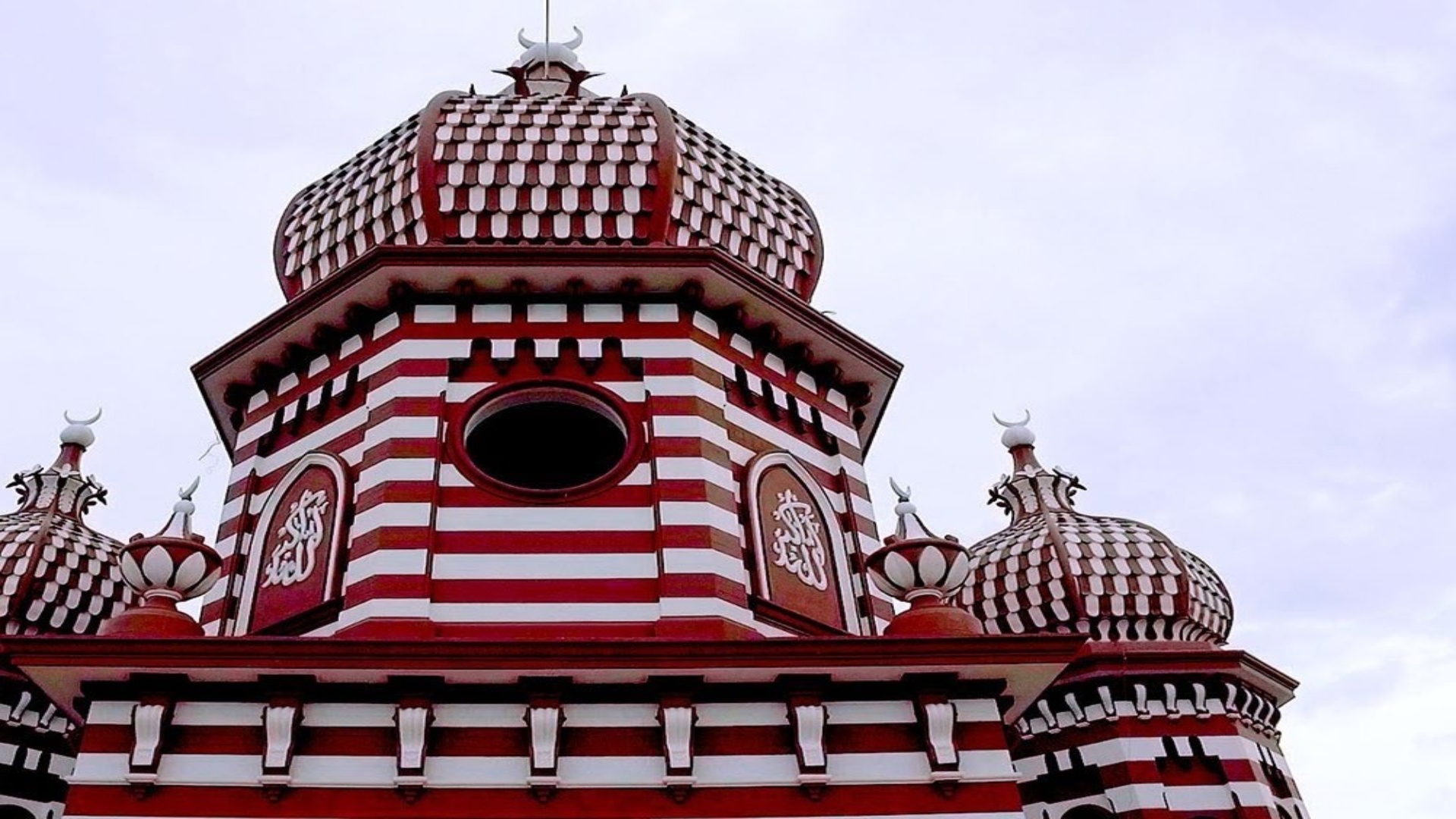
Rising above the busy streets of Colombo, the striking Jami Ul-Alfar Mosque immediately captures attention with its bold red and white exterior, towering minarets, and uniquely patterned architecture. Commonly known as the Red Mosque, the building has become one of the most recognisable landmarks in Sri Lanka. Constructed in 1909, the mosque was originally commissioned by Indian Muslim traders who regularly travelled to Colombo for business and required a dedicated place for prayer and worship during their stay. The architect and builder behind the project was H.L. Saibu Labbe, whose creative vision helped produce one of the most visually distinctive mosques in South Asia. The structure was heavily inspired by Indo Saracenic architecture, a style combining both Indian and Islamic influences into one dramatic design. This fusion can be seen throughout the building, especially in the famous pomegranate shaped domes and decorative striped patterns covering the exterior walls. Although the mosque began as a relatively modest place of worship serving only a few hundred people, its importance steadily increased alongside the growth of Colombo’s Muslim community. Over time, the building expanded significantly and today consists of six floors capable of accommodating around ten thousand worshippers. Beyond its religious importance, the mosque has become a major attraction for tourists visiting Sri Lanka, admired for both its historical significance and extraordinary architectural beauty that continues to dominate the skyline of Colombo every single day.
The design of the Red Mosque reflects more than simple architectural creativity, it also represents the multicultural history of Sri Lanka and the important role trade played in shaping the city of Colombo. Located in the busy Pettah district, the mosque once served as a visual landmark for sailors approaching the harbour, helping guide merchants and travellers toward the city. Its vivid colours and unusual appearance made it impossible to miss even from a considerable distance. The mosque continues to function as an active religious centre while also welcoming visitors from around the world who are fascinated by its dramatic appearance and cultural heritage. Inside the structure, intricate detailing and carefully planned geometric patterns showcase the craftsmanship involved in its construction more than a century ago. Despite numerous expansions and renovations, the building has successfully preserved the original artistic vision created by H.L. Saibu Labbe. Today, the mosque stands not only as a place of prayer but also as a symbol of identity and community for Sri Lankan Muslims. The combination of religious significance, architectural innovation, and historical relevance has transformed Jami Ul Alfar Mosque into one of the most photographed and celebrated landmarks in the country. For many visitors, seeing the mosque in person offers an unforgettable glimpse into the rich blend of cultures, traditions, and artistic styles that have shaped Sri Lanka throughout its long and fascinating history over many generations.