Inside the world’s largest exotic animal milk repository
Published On May 16, 2026 07:47 AM
Scientists at the Smithsonian’s National Zoo study exotic animal milk to improve conservation, veterinary care, and survival rates for endangered newborn mammals.
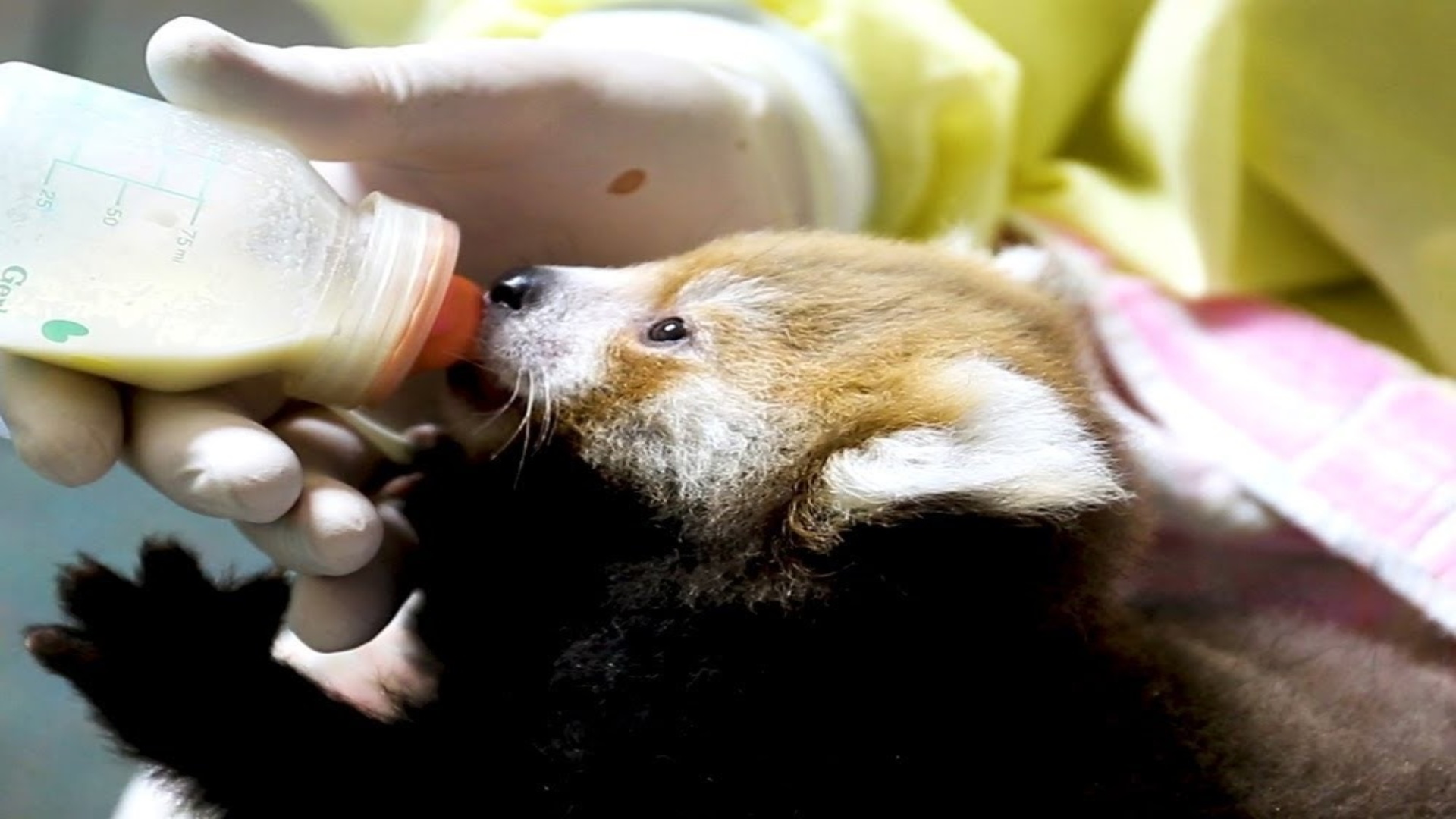
Inside the Exotic Animal Milk Repository at the Smithsonian's National Zoo in Washington, scientists preserve one of the most unusual biological collections in the world. Led by Doctor Michael Power, the repository stores frozen milk samples from more than 180 mammal species, including giraffes, lions, orangutans, sea lions, bats, zebras, elephants, and giant anteaters. The project exists for two important reasons. The first is scientific research. By studying the composition of milk from different mammals, researchers can better understand how milk evolved and how animals nourish their young in different environments. The second purpose is practical conservation work. Zoos and wildlife centres sometimes need to hand raise newborn animals when mothers cannot provide milk. In these situations, scientists use the repository to create specialised milk formulas that closely match natural milk. One of the most famous examples involved Fiona, a premature Nile hippopotamus born at the Cincinnati Zoo & Botanical Garden. Because no hippo had previously been hand raised in North America under similar circumstances, experts relied on information from the repository to create a formula that helped Fiona survive and grow healthy. Animal care teams carefully train mammals to voluntarily provide milk samples, allowing researchers to collect important data without harming the animals. The collaboration between scientists and animal caretakers has made the repository an essential resource for wildlife care, veterinary science, conservation research, and the understanding of mammalian biology across many endangered and protected species worldwide today. Its expanding database continues helping researchers improve survival rates for vulnerable newborn mammals.
Beyond its role in conservation, the Exotic Animal Milk Repository also reveals how remarkably diverse mammalian milk truly is across the natural world. Scientists have discovered that every species produces milk uniquely suited to the needs of its young. Some milks contain high fat levels to help animals survive freezing climates, while others contain extra protein for rapid growth and development. Researchers study these differences to understand nutrition, reproduction, behaviour, and evolutionary adaptation among mammals. The repository has become especially valuable for endangered species because many rare animals reproduce infrequently, making milk samples extremely difficult to obtain. Each donated sample therefore becomes an important scientific record that may assist future generations of veterinarians and wildlife experts. The collection also demonstrates how modern conservation increasingly depends on collaboration between biology, veterinary medicine, zoology, and animal training. Caretakers work patiently with animals so procedures remain calm and stress free, allowing mammals such as orangutans to voluntarily participate in research. Despite housing the largest collection of exotic animal milk in the world, researchers estimate they have studied only a tiny fraction of Earth’s mammal species. With between five thousand and six thousand known mammals worldwide, the repository currently represents only a small percentage of global diversity. Scientists hope continued research will improve animal welfare, strengthen conservation programs, and uncover new discoveries about how mammals survive in vastly different ecosystems around the planet for future generations everywhere. The project also inspires public curiosity about science, conservation, endangered wildlife and the hidden complexity of nature.