Inside the World of First Class Airline Catering
Published On February 24, 2026 07:46 PM
How Chef Matt and his team create gourmet airline meals designed to taste exceptional at thirty thousand feet.
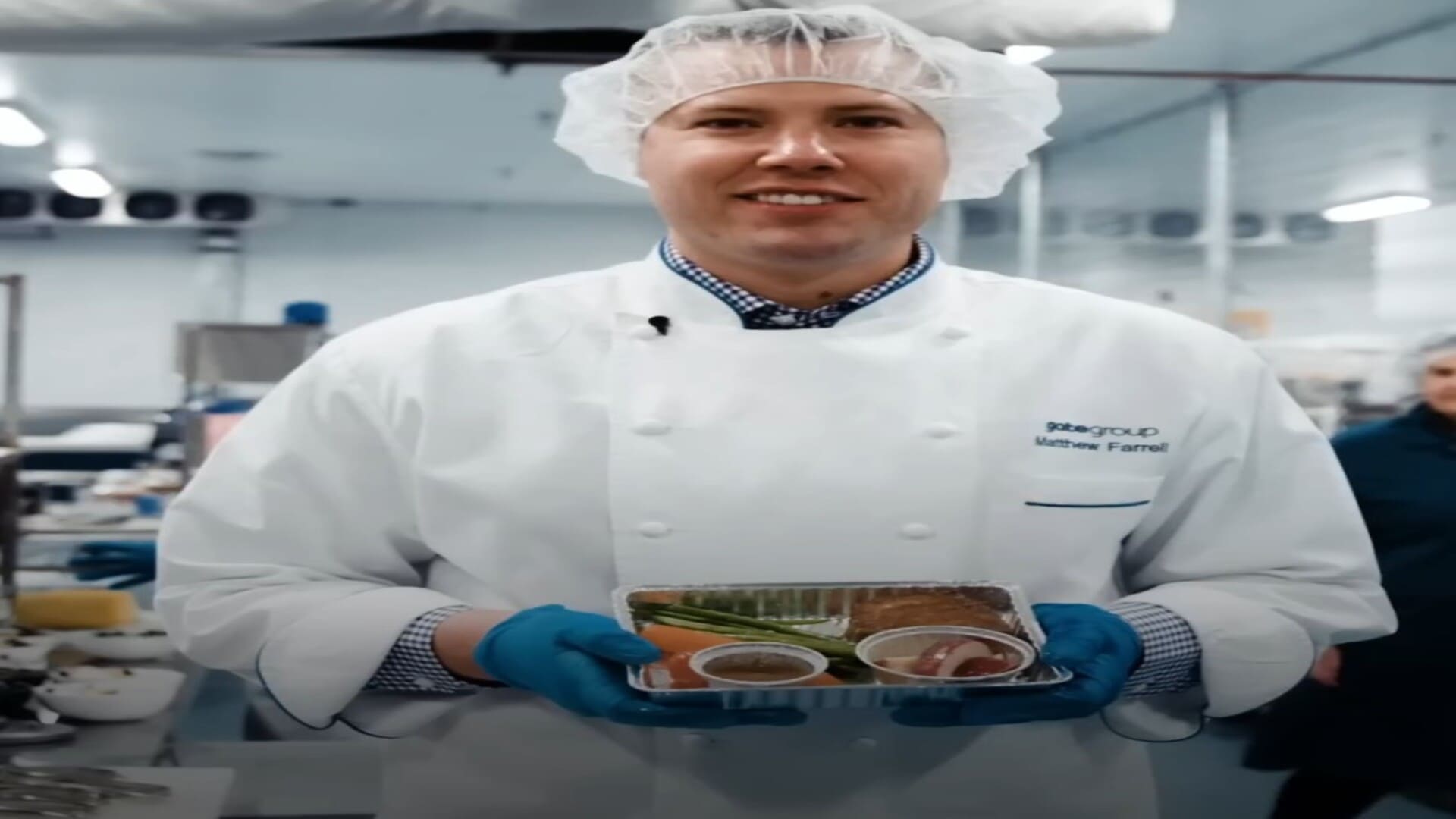
When most people think of aeroplane food, they imagine bland trays and forgettable flavours. Yet behind business and first class cabins lies a massive culinary operation designed to deliver restaurant quality meals at thirty thousand feet. In Atlanta, Chef Matt and his team oversee the production of approximately one hundred eighty thousand meals each week across three kitchens. The scale is staggering. In a single year, operations can use thirty million slices of cheese, eighty five tons of spinach, eight million strawberries, and twenty five million bread rolls. Each ingredient arriving at the facility is temperature checked and moved to specialized areas for preparation. After cooking, meals are carefully portioned into airline containers, loaded onto carts, and transported to aircraft awaiting departure. Timing and logistics are as critical as flavour. Unlike restaurants, airline catering must anticipate passenger numbers, dietary needs, and flight schedules while maintaining strict safety standards. Yet the true challenge extends beyond production. Food tastes different in the air. Reduced cabin humidity and pressure can dull flavours, making seasoning and moisture control essential. To compensate, recipes are crafted with bold herbs, fresh acids, and carefully balanced ingredients to ensure that meals retain depth and vibrancy once airborne.
Designing menus for flights requires both creativity and scientific understanding. Cabin conditions reduce moisture, which affects taste perception and texture. Chef Matt and his culinary team adapt by intensifying seasoning and incorporating ingredients that maintain richness even at altitude. Dishes such as hot smoked salmon poke with mango and edamame, buffalo milk burrata with cucumber ribbons and balsamic pearls, pan seared sea bass with fennel puree, and pumpkin tortelloni demonstrate how gourmet techniques translate to airline service. Fresh herbs and bright acidity enhance flavour perception, ensuring the passenger experience matches expectations set on the ground. The operation also relies on collaboration between storage teams, culinary production staff, and transportation crews, each playing a precise role in the journey from kitchen to cabin. Every tray served marks the beginning or end of a traveller's experience, whether embarking on vacation or returning home from business. That responsibility drives meticulous planning and innovation. While passengers may only see the plated meal, an intricate network of preparation, science, and logistics supports each bite. Airline cuisine at this level is not an afterthought. It is a carefully engineered dining experience designed to elevate travel and create lasting impressions long after the plane has landed.