How tiny weevils are helping save Caddo Lake
Published On June 07, 2026 03:44 PM
Volunteers at Caddo Lake are battling the invasive giant salvinia weed by raising weevils, small insects that help restore the lake's ecosystem.
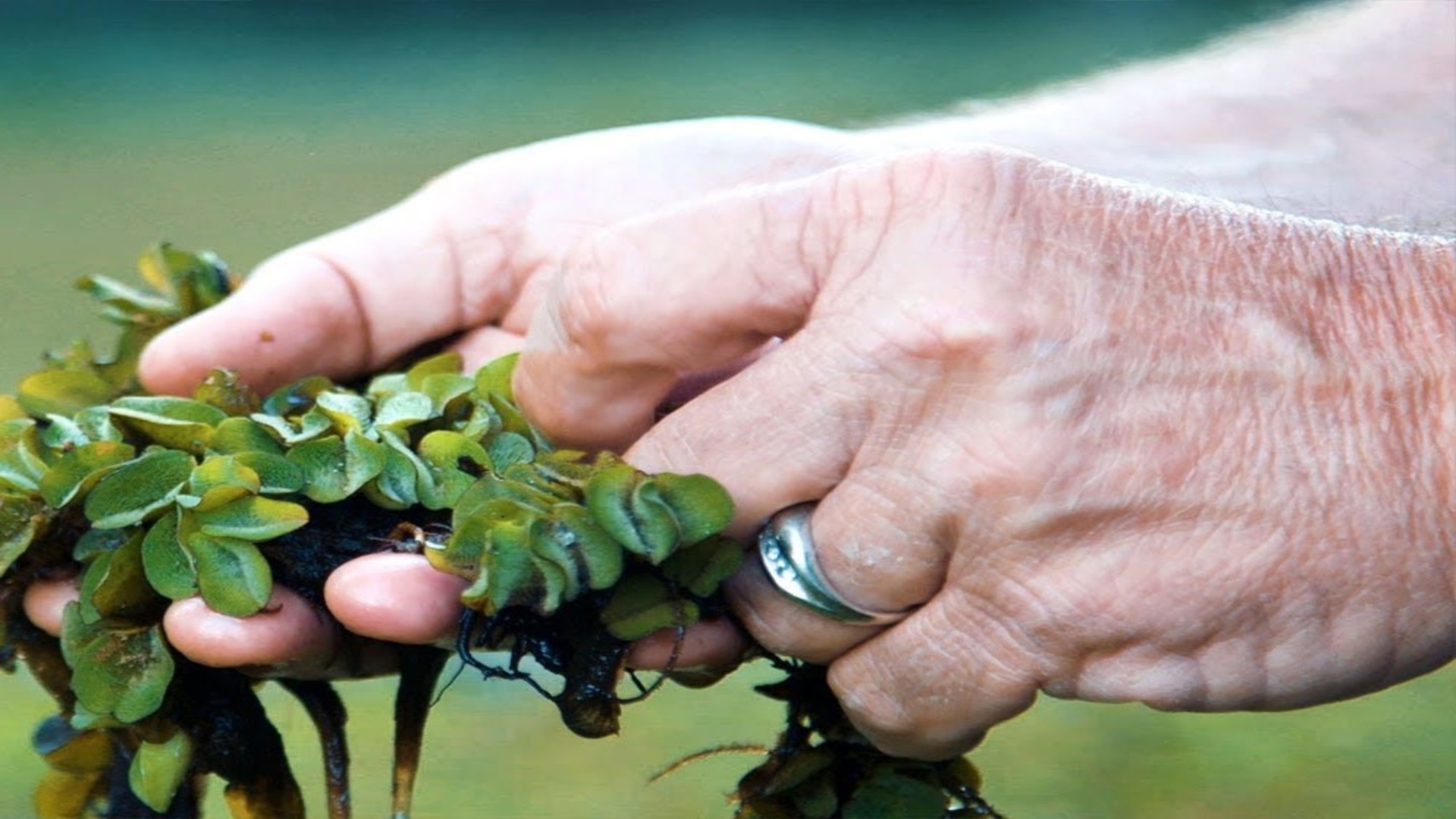
Caddo Lake is one of the most unique wetland ecosystems in North America, known for its towering cypress trees, rich biodiversity, and scenic waterways. However, this treasured landscape has spent decades under threat from an invasive aquatic plant called giant salvinia. Originally native to Brazil, giant salvinia was first discovered in Texas during the late 1990s and quickly earned a reputation as one of the world's most destructive aquatic weeds. At first glance, the plant appears harmless, with small green leaves floating across the water's surface. Beneath the surface, however, it forms dense mats that block sunlight, prevent native plants from growing, reduce oxygen levels, and make survival difficult for fish and other aquatic wildlife. Under ideal conditions, the weed can double in size every few days and spread across vast areas of water in a remarkably short time. Boats become trapped, recreational activities suffer, and entire ecosystems begin to change. Over the years, numerous methods were attempted to control the infestation, including mechanical removal and chemical treatments. Despite these efforts, the weed continued to spread and threaten the future of the lake. Local residents watched as areas they had fished, explored, and enjoyed for generations became covered by thick blankets of vegetation. For many people living around the lake, the invasion was more than an environmental problem. It was a threat to a place deeply connected to their lives, memories, and local identity. The challenge required a solution that could work with nature rather than against it. Scientists and conservationists eventually turned their attention to a tiny insect from the same region where giant salvinia originated. Known as the salvinia weevil, this small beetle feeds exclusively on the invasive plant. By damaging the leaves and stems, the insects weaken the weed and slow its rapid growth. What seemed like an unlikely ally soon became one of the most promising tools in the fight to protect the lake and restore ecological balance.
In 2013, local volunteers joined scientists in creating a community driven effort to raise large numbers of salvinia weevils. A greenhouse was established in the small town of Uncertain, Texas, where volunteers cultivate giant salvinia specifically to feed the insects. Once the weevil population reaches sufficient numbers, the insects are released into affected areas of the lake. Their larvae tunnel through the plant tissue while adult weevils feed on the leaves, gradually weakening the infestation. The project depends heavily on volunteers who dedicate their time and effort because they care deeply about preserving the lake. Many of these individuals have no formal background in entomology or environmental science, yet their commitment has played a crucial role in the programme's success. Hundreds of thousands of weevils have been raised and released over the years, producing encouraging results in several sections of the lake. Areas that were once completely covered by giant salvinia have begun to recover, allowing native plants and wildlife to return. Although the battle is far from over, these improvements demonstrate the effectiveness of biological control methods when combined with community involvement. The effort also highlights the importance of patience in conservation work, as ecological recovery often takes years rather than months. Residents continue to monitor the lake and support ongoing management programmes. For them, protecting Caddo Lake is about more than preserving a beautiful landscape. It is about safeguarding a place that has shaped generations of lives and memories. Through cooperation, persistence, and an innovative partnership with a tiny insect, the people of the region are proving that determined communities can make a meaningful difference in the fight against invasive species and environmental decline.