How the US Mutilated Currency Division restores damaged money
Published On April 19, 2026 11:05 AM
The US Mutilated Currency Division examines damaged cash and reimburses millions each year, helping people recover lost money.
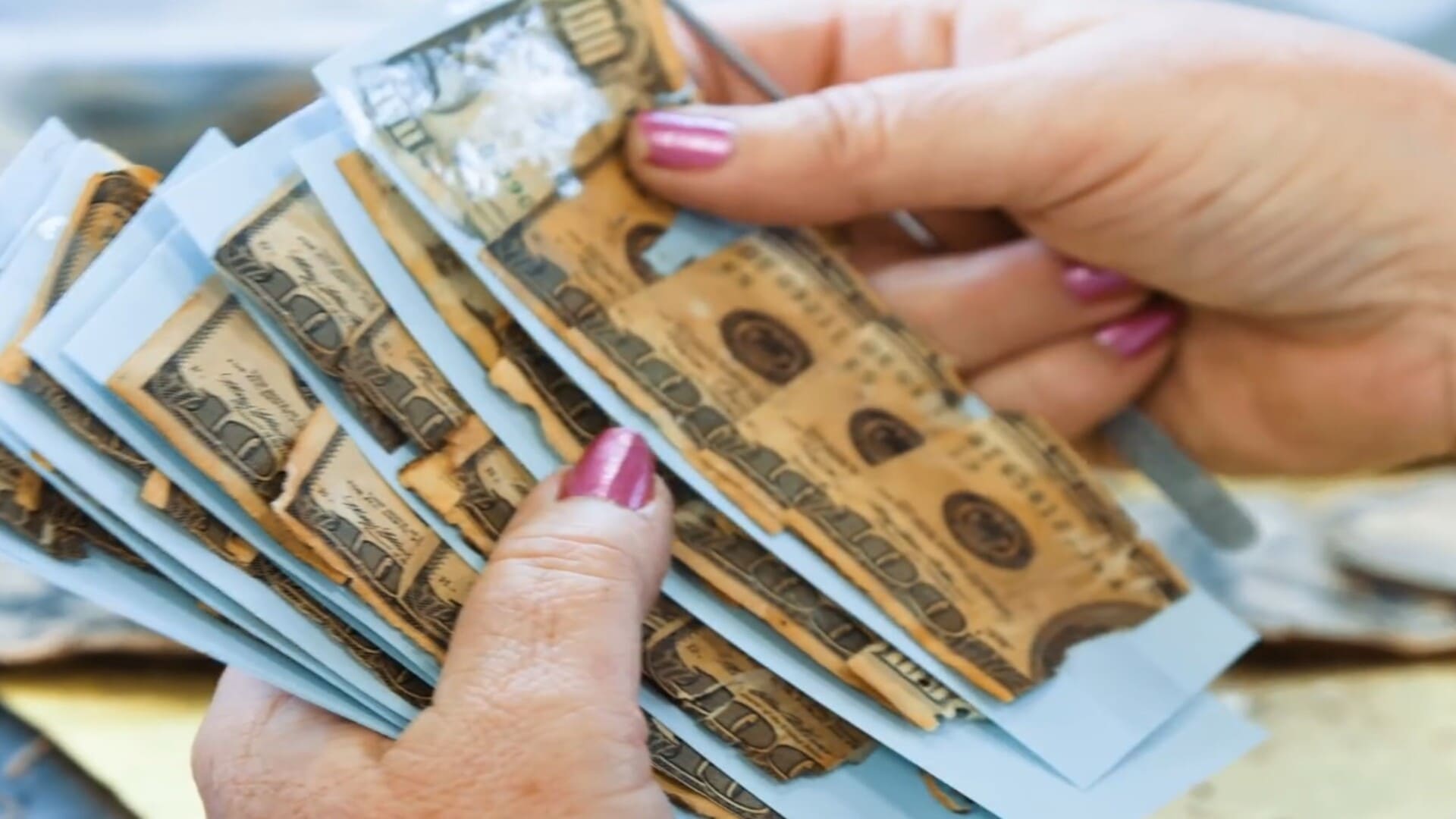
Money is designed to last, but accidents happen in ways most people would never expect. Fires, floods, insects, and even household mistakes can destroy paper currency, leaving individuals unsure if their savings are lost forever. In the United States, a specialized government service exists to address exactly these situations. The Mutilated Currency Division, part of the Bureau of Engraving and Printing, works to recover and reimburse damaged money for individuals across the country. Each year, the division handles tens of thousands of cases, carefully examining destroyed or severely damaged banknotes to determine their remaining value. If at least fifty one percent of a bill can be identified, the government will replace it at full value. This service is provided free of charge, offering financial relief to people who may have lost money during unexpected events. On average, the division reimburses millions of dollars annually, reflecting both the frequency of these incidents and the importance of the program. The work itself is surprisingly hands on and low tech. Specialists use tools such as scissors, scalpels, glue, and tweezers to piece together fragments of currency. Each case requires patience, precision, and careful documentation to ensure accuracy and prevent fraud. The process highlights a lesser known side of financial systems, where restoration and verification play a critical role.
The variety of cases handled by the division reveals just how unpredictable damage to currency can be. Some of the most challenging situations involve money that has been soaked and left for long periods, causing it to harden into solid blocks. Others come from common household accidents, such as bills accidentally placed in ovens or microwaves. Animal related cases are also surprisingly frequent, with pets and livestock often damaging or consuming money. One well known example involved a farmer whose cow ate his wallet, requiring specialists to recover the remains from the animal’s stomach before reimbursing the lost funds. While these stories may seem unusual, they highlight the importance of the service in protecting individuals from financial loss. The division also plays a vital role during natural disasters, when large amounts of currency can be damaged by floods, fires, or storms. In such cases, the number of claims increases significantly, and the financial assistance provided can be critical for recovery. Beyond the technical work, the service offers reassurance during difficult times, helping people regain a sense of stability after loss. The existence of the Mutilated Currency Division demonstrates how even the most damaged money can still hold value when supported by careful expertise and public service.