How Kevin Feige Turned Marvel Into A Global Movie Empire
Published On August 28, 2026 10:51 AM
From assisting on the first 'X-Men' film to building the Marvel Cinematic Universe, Kevin Feige has transformed superhero movies into a global phenomenon. With 'Avengers: Doomsday' next, Marvel’s longtime mastermind is showing no signs of slowing down
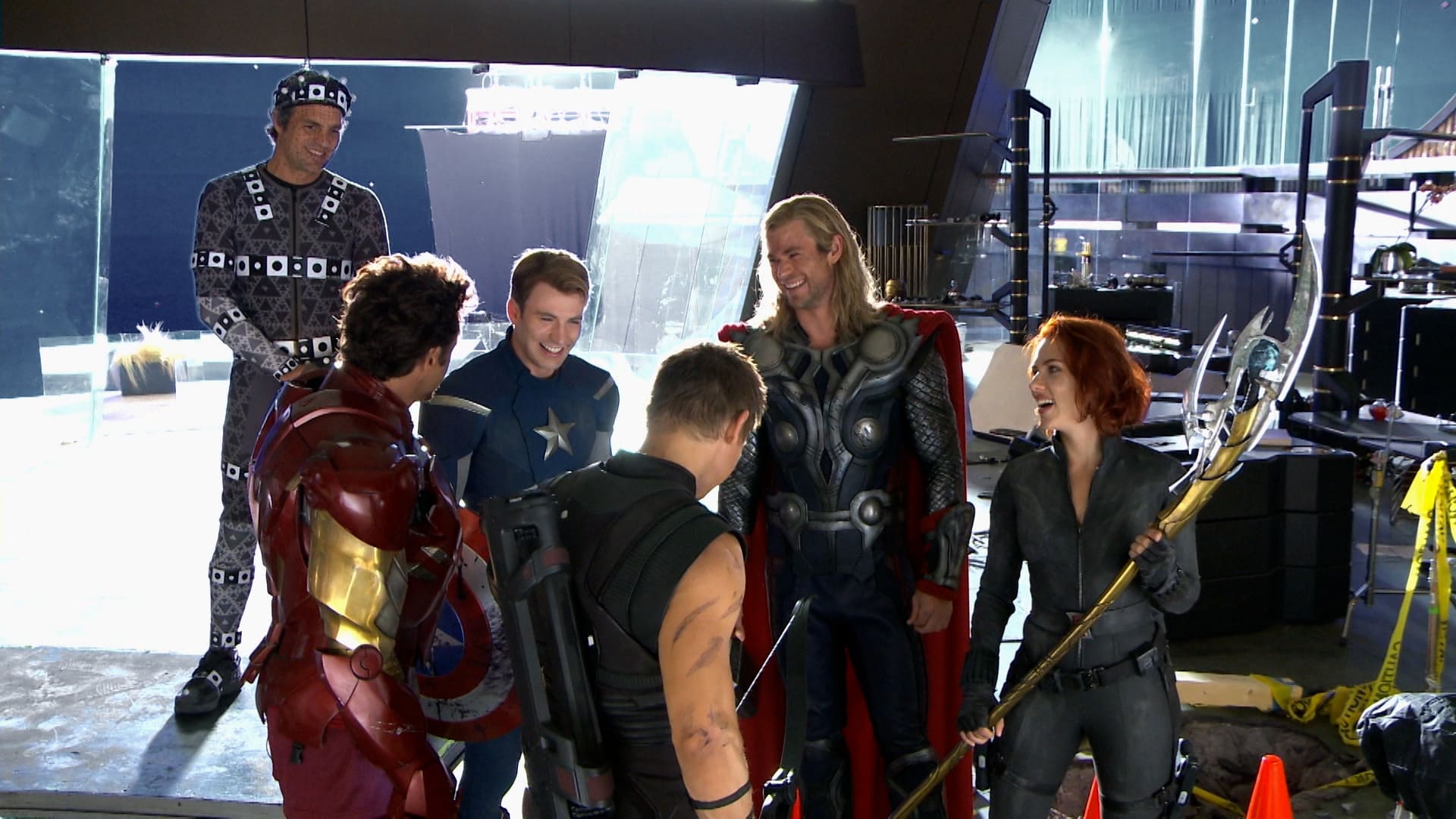
Few Hollywood careers have transformed blockbuster filmmaking quite like that of Kevin Feige. After graduating from film school, Feige worked as an assistant to producer Lauren Shuler Donner on the first X-Men movie. That early experience with Marvel characters helped begin a career that would eventually put him at the center of one of cinema's biggest franchises. As president of Marvel Studios, Feige became the chief architect of the Marvel Cinematic Universe, turning individual superhero adventures into an interconnected global story.
Feige has consistently emphasized that the MCU was never the achievement of one person. Its foundations stretch back to comic book creators such as Stan Lee and Jack Kirby, along with generations of writers and artists who developed and reinterpreted Marvel's characters. Filmmakers, actors and production teams then brought those stories to the screen. Feige also credits the fans, whose enthusiasm for interconnected movies allowed Marvel Studios to keep expanding an idea that was unusually ambitious when Iron Man arrived in 2008.
A major ingredient in Marvel's success has been treating superheroes as characters audiences can understand before presenting them as larger than life icons. Feige believes their personal struggles can connect with viewers regardless of nationality or background. That approach helped characters including Iron Man, Captain America, Thor and Black Panther become international pop culture figures while allowing increasingly complicated storylines to remain grounded in individual relationships.
The first enormous payoff came with Avengers: Endgame in 2019. The film represented the culmination of more than a decade of connected storytelling that began with Iron Man. For Feige, it was more than another premiere. It marked the conclusion of a massive narrative he and his collaborators had been building across numerous movies, proving that audiences were willing to follow characters and storylines across an unprecedented cinematic franchise.
Marvel's ambitions did not stop there. Avengers: Doomsday and Avengers: Secret Wars push the interconnected concept even further, with different characters and cinematic worlds converging as the Multiverse Saga moves toward its climax. Feige has described the collision of universes as one of Marvel Studios' most ambitious undertakings, raising expectations for another enormous crossover event.
That scale inevitably creates pressure, but Feige sees audience expectations as motivation rather than something to avoid. His perspective remains rooted in fandom, even after years of producing some of Hollywood's largest movies. Behind the executive title is still the movie enthusiast who understands the excitement of watching beloved characters step onto the screen. That combination of producer and fan has helped Kevin Feige turn Marvel's comic book history into a cinematic universe that continues to grow.