How Financial Education Is Transforming Lives Inside San Quentin Prison
Published On March 26, 2026 06:47 PM
An inmate led programme at San Quentin uses financial education and emotional awareness to drive rehabilitation and change.
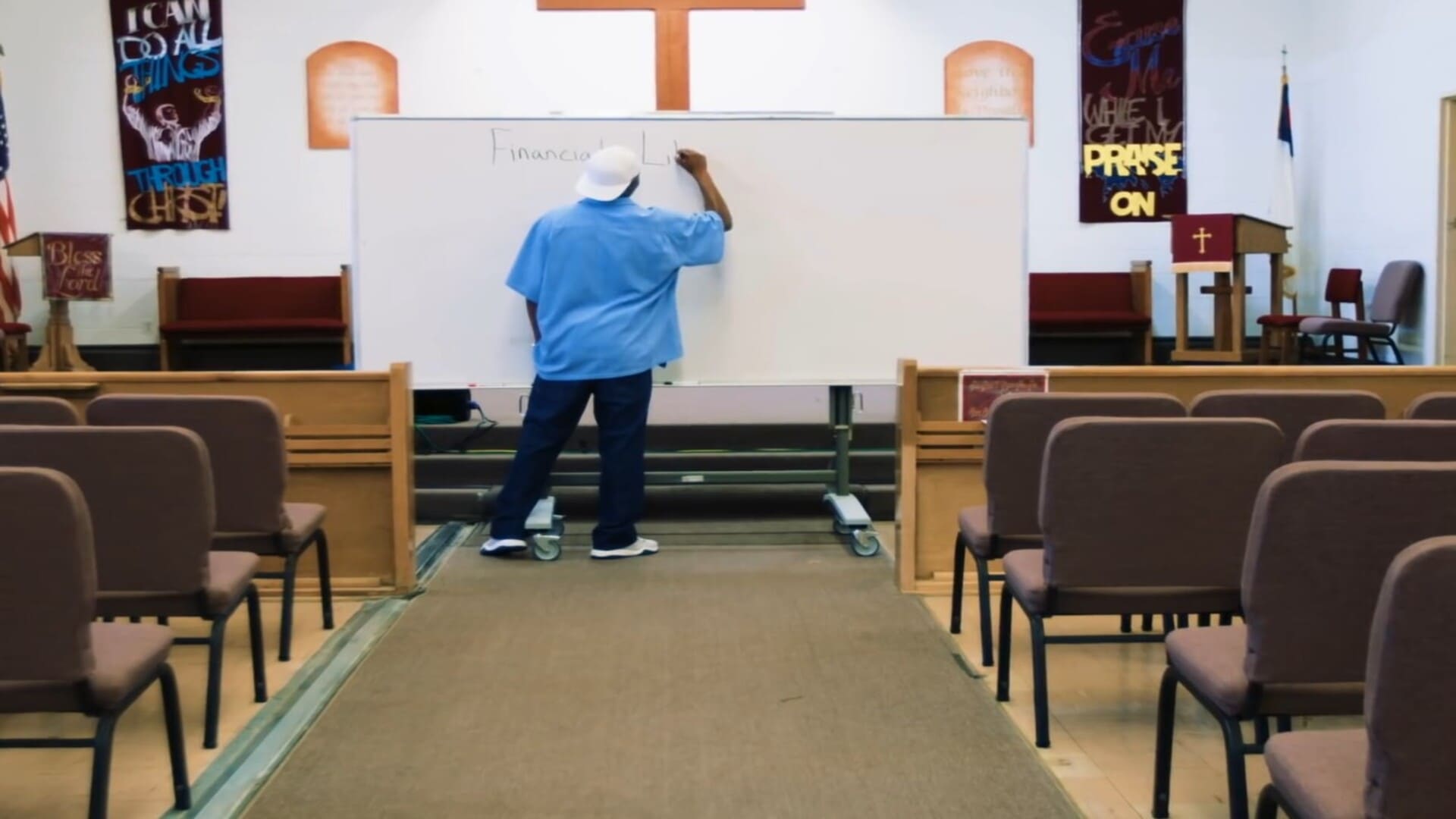
Inside San Quentin State Prison, a unique classroom is quietly reshaping lives through an unexpected subject, financial literacy. The students come from diverse backgrounds, many with tattoos, difficult pasts, and limited formal education. Yet they gather with a shared goal, to understand money, decision making, and ultimately themselves. At the center of this movement is a man known as Wall Street, an incarcerated individual who has spent years teaching financial education to fellow inmates. His approach is not about numbers alone. Instead, it focuses on empowerment, helping people understand how their emotions, choices, and financial behaviors are deeply connected. This program challenges stereotypes by proving that learning and growth can happen anywhere, even within prison walls. Wall Street’s journey into finance began in an unlikely way. While still struggling with literacy, he accidentally picked up a business section of a newspaper instead of the sports section. That moment sparked curiosity about the stock market, leading him to teach himself how to read and understand financial systems. Without formal education beyond a GED, he eventually began guiding investment decisions through contacts outside prison. Over time, his knowledge grew into a teaching program that now supports others in similar situations. The classroom he leads is not just about investing or saving money. It is about changing mindsets and offering a new path forward for individuals who once believed they had no alternatives.
The program emphasizes that financial behavior is often linked to emotional experiences and trauma. Many incarcerated individuals have faced difficult life circumstances that influenced their decisions. By addressing emotional literacy alongside financial knowledge, the class encourages deeper self awareness and accountability. Wall Street openly reflects on his own past, including the crime that led to his long sentence, using his story as a lesson in responsibility and change. His message is clear, without understanding emotions, financial education alone is incomplete. This perspective aligns with broader research showing that behavioral and emotional factors play a major role in financial decision making. The initiative also highlights the importance of rehabilitation through practical skills. Financial education can reduce the likelihood of reoffending by giving individuals tools to build stable lives after release. It shows that opportunity does not have to come through illegal means. Participants learn how to manage money, plan for the future, and rethink their relationship with risk and reward. More importantly, they begin to see themselves differently. The classroom becomes a place of transformation, where knowledge leads to confidence and hope replaces limitation. Programs like this demonstrate that meaningful rehabilitation requires more than punishment. It requires education, guidance, and the belief that people can change when given the right tools and support.