How Accurate Are 'Based on a True Story' Movies, Really?
Published On June 15, 2026 11:38 AM
Step into the realm of creative liberties with our exploration of films based on true events. Discover how filmmakers balance authenticity and entertainment in these captivating narratives
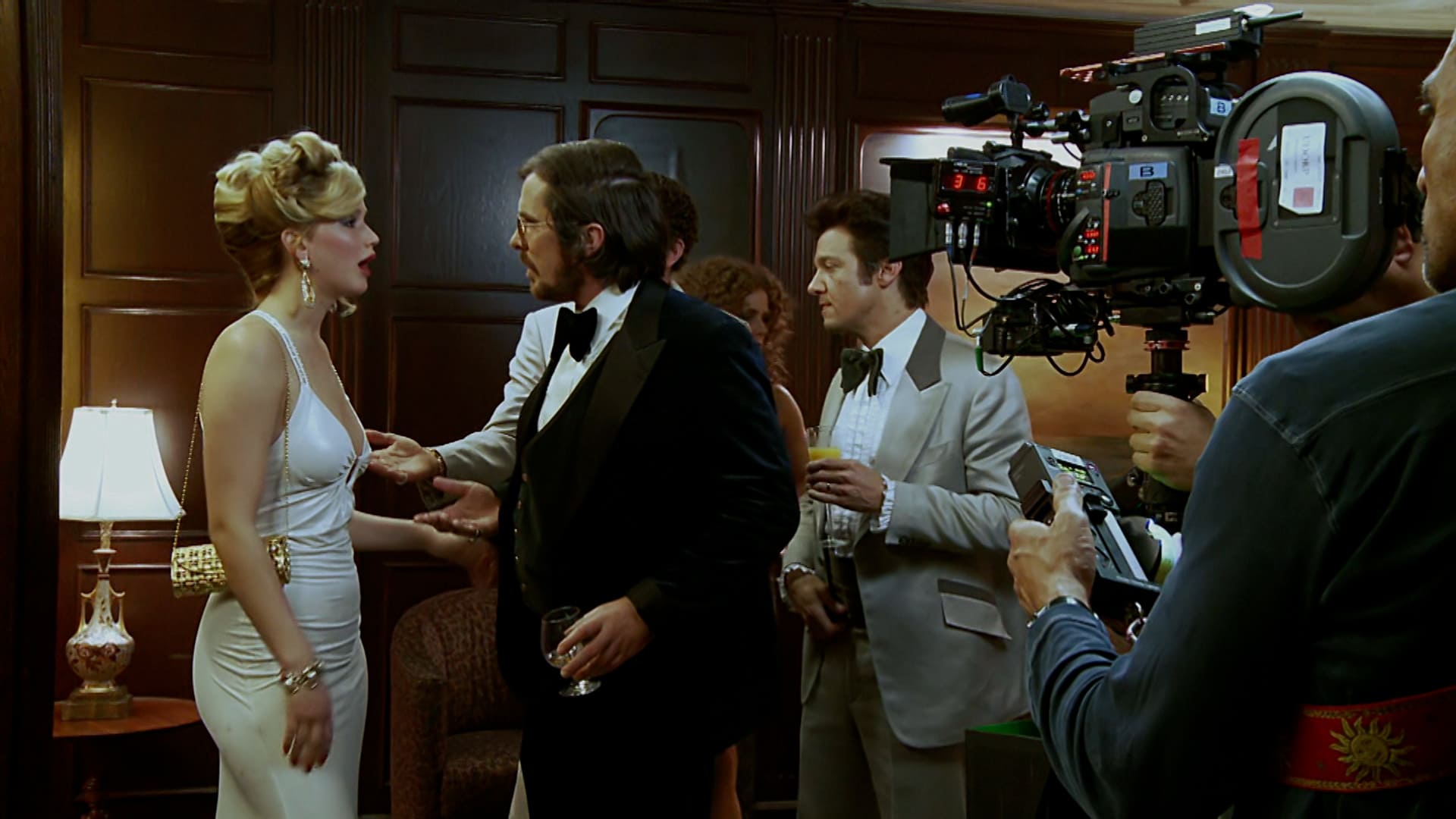
Many of the most popular films ever made proudly advertise themselves as being based on real events. Audiences are often drawn to these stories because they offer a glimpse into history while delivering the excitement of a blockbuster movie. Yet filmmakers rarely stick to the facts exactly as they happened. To create compelling narratives, directors and screenwriters frequently alter timelines, combine characters, or exaggerate events. The real challenge is determining when creative storytelling enhances a true story and when it begins to distort it beyond recognition.
One famous example is 300, the 2006 action epic directed by Zack Snyder. Inspired by the ancient Battle of Thermopylae, the film depicts a small force of Spartan warriors making a heroic stand against a massive Persian army. While the battle itself is a genuine historical event that occurred in 480 BC, historians have often criticized the movie's accuracy. However, the film never truly presents itself as a documentary. Instead, Snyder embraced a highly stylized visual approach filled with fantasy elements, dramatic action sequences, and graphic novel aesthetics. Because audiences understood they were watching a cinematic spectacle rather than a strict retelling of history, most viewers accepted the creative liberties without controversy.
Even when filmmakers depart from reality, stories still need to feel believable. Audiences may forgive historical inaccuracies, but they often reject narratives that seem disconnected from human behavior or common sense. Interestingly, some films actually tone down real events because the truth can appear too outrageous for the screen. The Wolf of Wall Street, based on the life of stockbroker Jordan Belfort, is a notable example. Many of the wild parties and extravagant incidents portrayed in the film were reportedly less extreme than what happened in reality. The filmmakers understood that presenting every unbelievable detail might have stretched credibility too far for audiences.
Problems tend to arise when dramatic changes affect how real people or nations are portrayed. Historical films often face criticism when they shift credit, blame, or responsibility away from those who actually played important roles. The 2012 film Argo, directed by and starring Ben Affleck, received widespread acclaim and won the Academy Award for Best Picture. The movie tells the story of a covert operation to rescue six American diplomats during the Iran hostage crisis. While the mission was real, some critics argued that the film overstated the role of the CIA while downplaying the significant contribution of Canadian officials who helped make the rescue possible.
Former U.S. President Jimmy Carter publicly noted that Canada played a much larger role in the operation than the film suggested. For some viewers, this raised important questions about historical responsibility and whether entertainment should take precedence over accuracy. When the people connected to real events challenge a film's portrayal, debates about creative freedom become much harder to dismiss.
Ultimately, audiences seem willing to accept significant fictionalization when filmmakers are transparent about their intentions and remain faithful to the spirit of a story. The most successful historical films balance entertainment with authenticity, proving that creative license can be powerful, but only when it respects the truth at the heart of the narrative.