Hidden Freedom in the Great Dismal Swamp
Published On March 24, 2026 06:18 PM
Escaped enslaved Africans formed hidden maroon communities in the Great Dismal Swamp, creating freedom in one of America’s harshest landscapes.
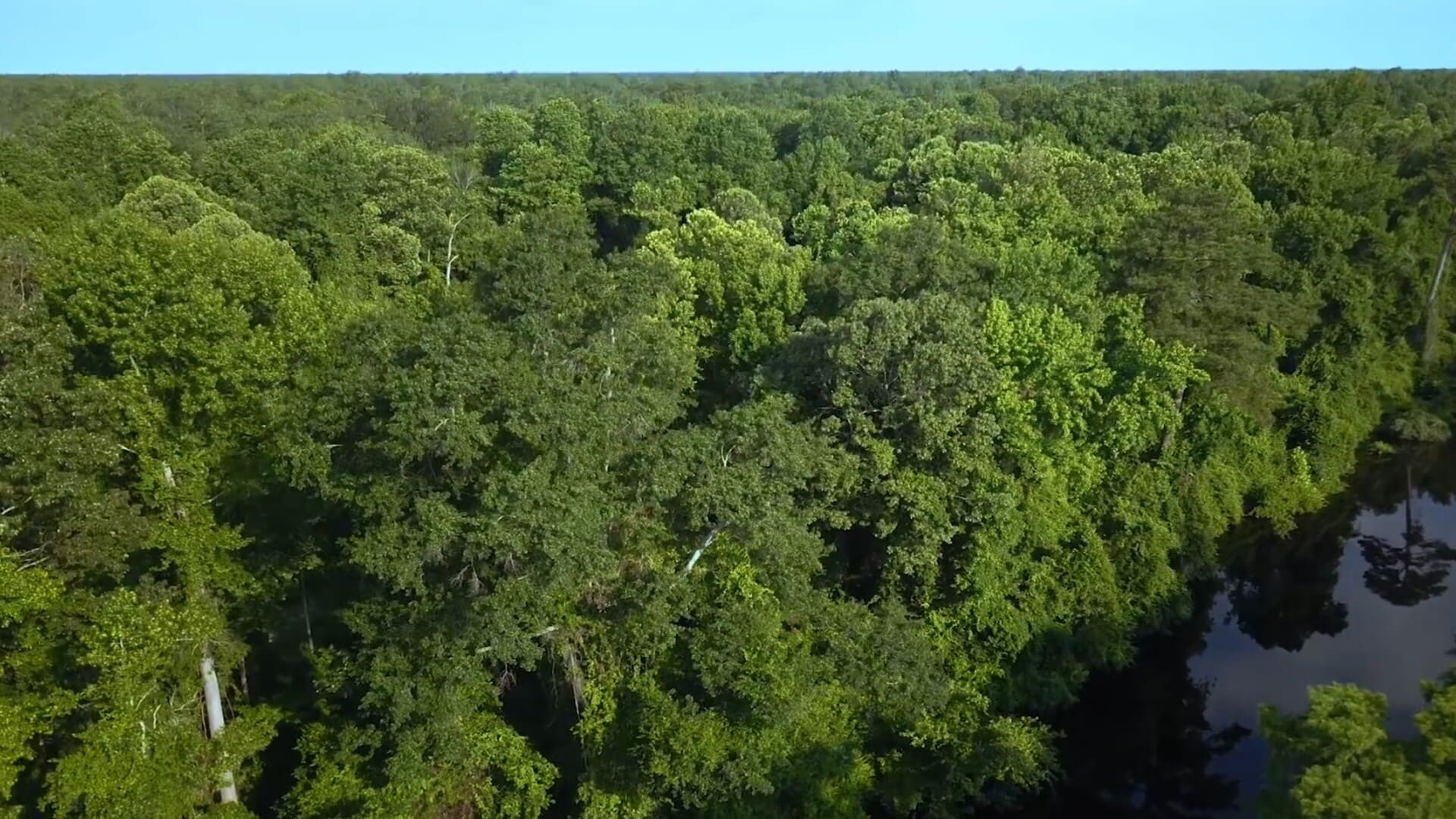
The Great Dismal Swamp, stretching across the border of Virginia and North Carolina, is one of the most unforgiving landscapes in the eastern United States. Thick wetlands, oppressive heat, venomous snakes, and swarms of mosquitoes make survival difficult even today. Yet for centuries this wild environment became an unlikely refuge for people seeking freedom. From the seventeenth century until the American Civil War, escaped enslaved Africans known as 'maroons' fled into the swamp to escape slavery. Hidden deep within the wetlands, they created independent settlements that allowed them to live outside the control of plantation society. The swamp’s dangers served as protection. Slave catchers and authorities often avoided entering the region, which allowed these communities to exist in relative secrecy. For the people who risked everything to escape bondage, the harsh environment was still preferable to the violence and oppression of slavery. These settlements represented a bold act of resistance. Families and individuals built lives there despite isolation and limited resources. Their determination reveals an extraordinary story of survival, courage, and the human desire for autonomy. Today historians and archaeologists are working to uncover this largely forgotten chapter of American history. Their research sheds new light on how the maroons transformed a hostile environment into a place of refuge, resilience, and self determination.
For more than a decade, archaeologist Dan Sayers of American University has led research into these hidden communities through the Great Dismal Swamp Landscape Study. His work combines archaeological investigation with historical analysis to better understand how maroon settlements functioned. By examining artefacts and settlement patterns, researchers have begun to piece together evidence of long term habitation deep within the wetlands. Findings suggest that these communities were not temporary camps but organised, multi generational societies. Population levels likely changed over time, yet evidence indicates that thousands of people may have lived in the swamp at various moments. Among the historical voices connected to this landscape is Moses Grandy, a formerly enslaved man who later wrote a powerful slave narrative describing the brutality he experienced. Grandy also spent time in the swamp, and his writings provide vivid testimony about the conditions enslaved people endured while working on projects like the Dismal Swamp Canal. Stories like his help explain why so many chose the risks of swamp life rather than continued enslavement. For descendants researching their family histories, these narratives offer deeply personal connections to the past. The maroon communities of the Great Dismal Swamp stand as powerful reminders of resistance and resilience. Preserving this history ensures that the courage of those who sought freedom in the wilderness will not be forgotten.