Grand Cayman Blue Iguana, A Rare Island Survivor
Published On March 04, 2026 07:48 PM
The endangered Grand Cayman blue iguana is a long lived island reptile fighting habitat loss and invasive predators.
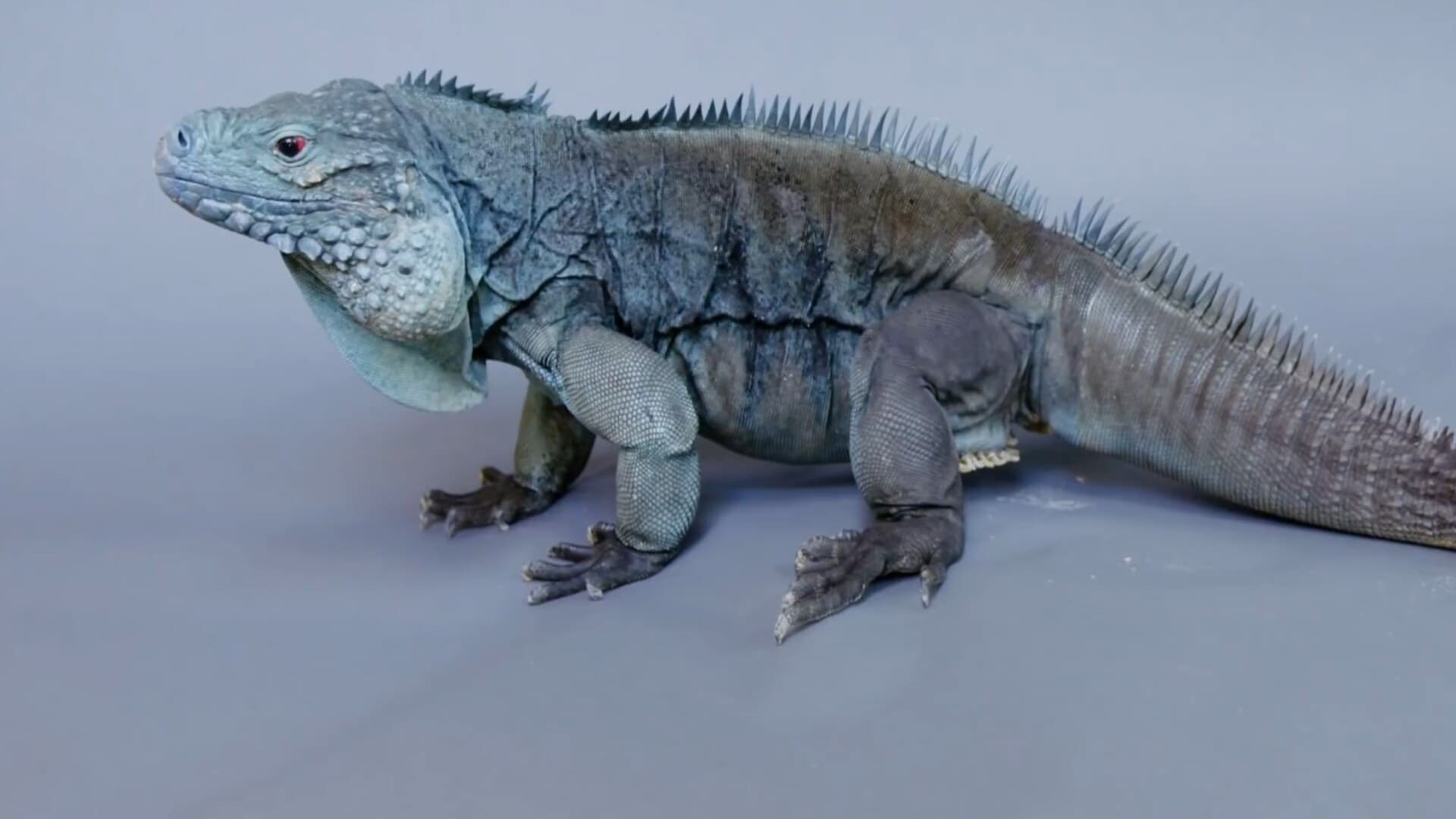
The Grand Cayman blue iguana is one of the most remarkable reptiles in the Caribbean. With a lifespan that can reach nearly sixty nine years, this striking lizard can live almost as long as a human. Found only on Grand Cayman, the largest and westernmost of the Cayman Islands, it exists nowhere else on Earth. Its vivid blue skin becomes especially bright when defending territory or during breeding season, when males display their most intense colouration. Beyond its colour, the species is known for its piercing red eyes and exceptional vision, allowing it to detect movement and shapes from impressive distances. The blue hue is not constant throughout the day but can shift depending on mood, temperature, and social interaction. This reptile spends much of its time basking in the sun, conserving energy in the rocky forests and dry shrublands that form its natural habitat. As a herbivore, it feeds on leaves, fruits, and flowers, playing a quiet but important role in seed dispersal and ecosystem balance. Its presence is deeply tied to the ecological health of Grand Cayman’s landscape, making it a symbol of the island’s natural heritage and resilience.
Despite its strength and longevity, the Grand Cayman blue iguana has faced severe threats over the past century. Habitat loss caused by development and human expansion has significantly reduced its living space. Free roaming predators such as dogs, cats, and rats prey on eggs and young iguanas, drastically lowering survival rates. These pressures led to the species being listed as endangered, pushing it dangerously close to extinction at one point. Conservation efforts have since become critical to its survival. Local wildlife programs focus on habitat protection, captive breeding, and predator control to stabilize the population. Education campaigns also help residents and visitors understand the importance of protecting this unique reptile. Thanks to these initiatives, numbers have slowly improved, though the battle is far from over. The blue iguana represents both vulnerability and hope, showing how human activity can threaten a species but also how dedicated conservation can reverse decline. Preserving this lizard means preserving a piece of Grand Cayman’s identity. Its survival depends on continued protection, responsible land management, and awareness of the delicate balance between development and wildlife conservation.