Explore Latvia, The Baltic Beauty Where History Meets Nature
Published On October 23, 2026 10:34 AM
From Riga’s medieval streets and stunning Art Nouveau architecture to the sandy beaches of Jūrmala and the lush forests of Gauja National Park, Latvia is a Baltic treasure waiting to be explored
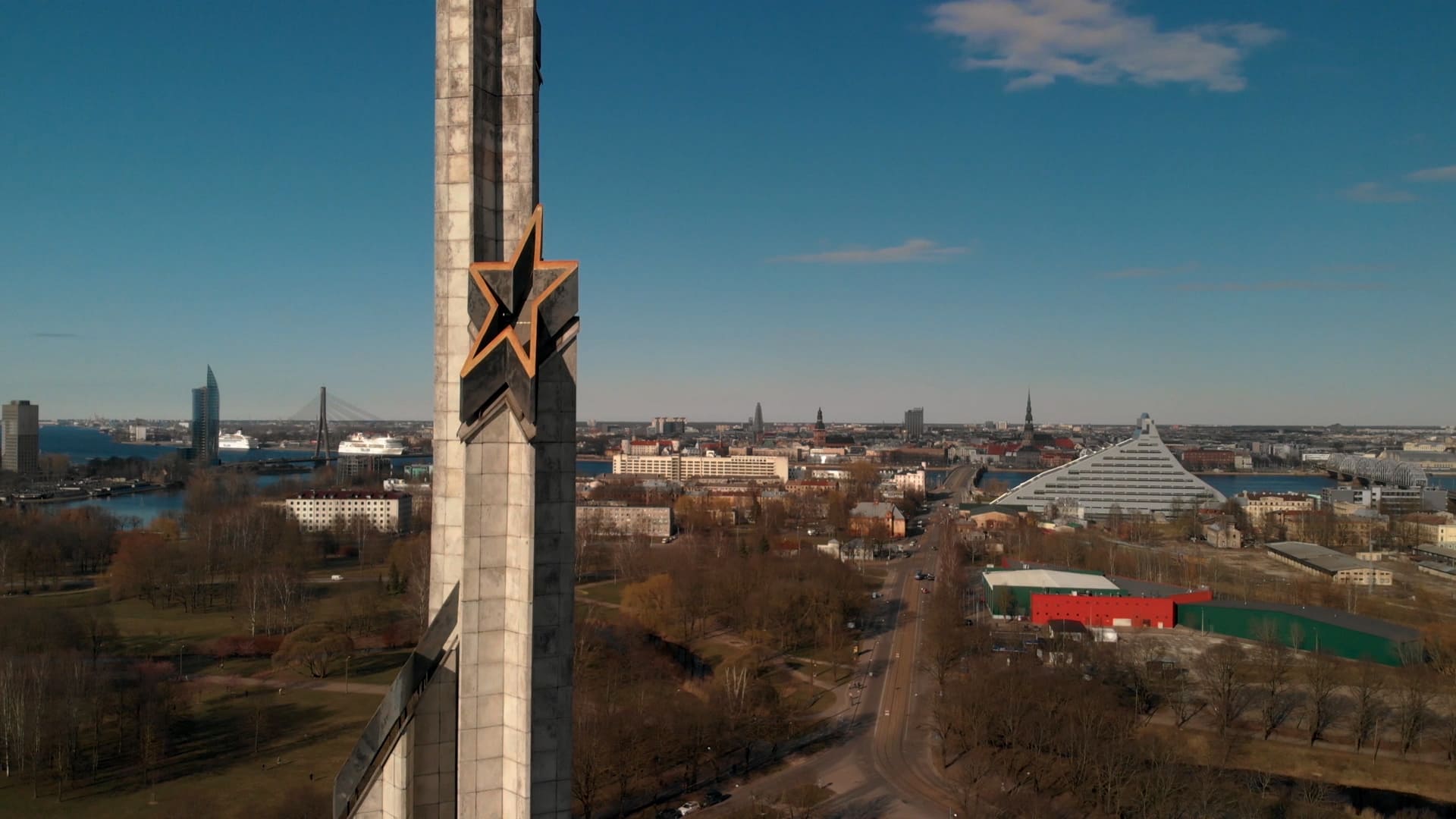
Latvia may be one of Europe's smaller countries, but it brings together an impressive variety of experiences. Set on the Baltic Sea between Estonia and Lithuania, it combines historic cities, vast forests, quiet lakes and a long coastline. Medieval landmarks stand alongside elaborate Art Nouveau architecture, while centuries old traditions remain an important part of everyday culture. Travelers can explore Riga's cobbled streets, hike through Gauja National Park and finish their journey beside the sea in Jūrmala. This balance between city life, nature and heritage gives Latvia a character distinctly its own.
Riga is the natural starting point. Latvia's capital has a historic center recognized by UNESCO, where churches, old merchant houses and narrow streets preserve layers of the city's past. Riga is also celebrated for its remarkable collection of Art Nouveau architecture, particularly around streets such as Alberta iela. Elaborately decorated facades, sculpted figures and imaginative details provide a striking contrast to the medieval atmosphere of the Old Town. The city's Freedom Monument adds another dimension, standing as an important symbol of Latvian independence and national identity.
Outside the capital, Latvia quickly becomes greener and quieter. Forests cover a large part of the country, while rivers, lakes and wetlands create opportunities for hiking, cycling and wildlife watching. Gauja National Park is one of the most popular destinations for exploring this landscape. The Gauja River winds through forested valleys and sandstone formations, while historic sites including castles around Sigulda and Turaida connect outdoor exploration with Latvia's medieval history.
The Baltic coast offers a completely different experience. Jūrmala, located close to Riga, is known for its long sandy beaches and distinctive wooden architecture. Historic villas sit among pine trees, reflecting the area's long history as a seaside resort. During warmer months, visitors come for swimming, walking and relaxation, while the quieter seasons reveal a more peaceful side of the coast.
Latvia's cultural traditions are equally important. Folk music and dance remain powerful expressions of national identity, especially during major festivals. One of the country's most cherished celebrations is Jāņi, associated with the summer solstice. Bonfires, flower and oak leaf crowns, singing and gatherings continue through the short midsummer night, linking modern celebrations with traditions passed down through generations.
Understanding Latvia also means confronting its complicated twentieth century. The country experienced occupations by both Nazi Germany and the Soviet Union before restoring its independence in 1991. Riga's Museum of the Occupation of Latvia documents this difficult period and the experiences of people who lived through political repression, war and displacement.
From Riga's architecture to Gauja's forests and the beaches of Jūrmala, Latvia rewards travelers with remarkable variety in a relatively compact destination. Its appeal comes not from one famous landmark, but from the way history, nature and living traditions remain closely connected across the country.