Dictators on the Big Screen: Hollywood’s Fascination with Tyrants
Published On May 27, 2026 12:51 PM
Hollywood is always looking for interesting characters to have at the center of their movies. Now if there’s one job where every single person who has this on their resume has led a remarkable life, then it’s got to be, dictators
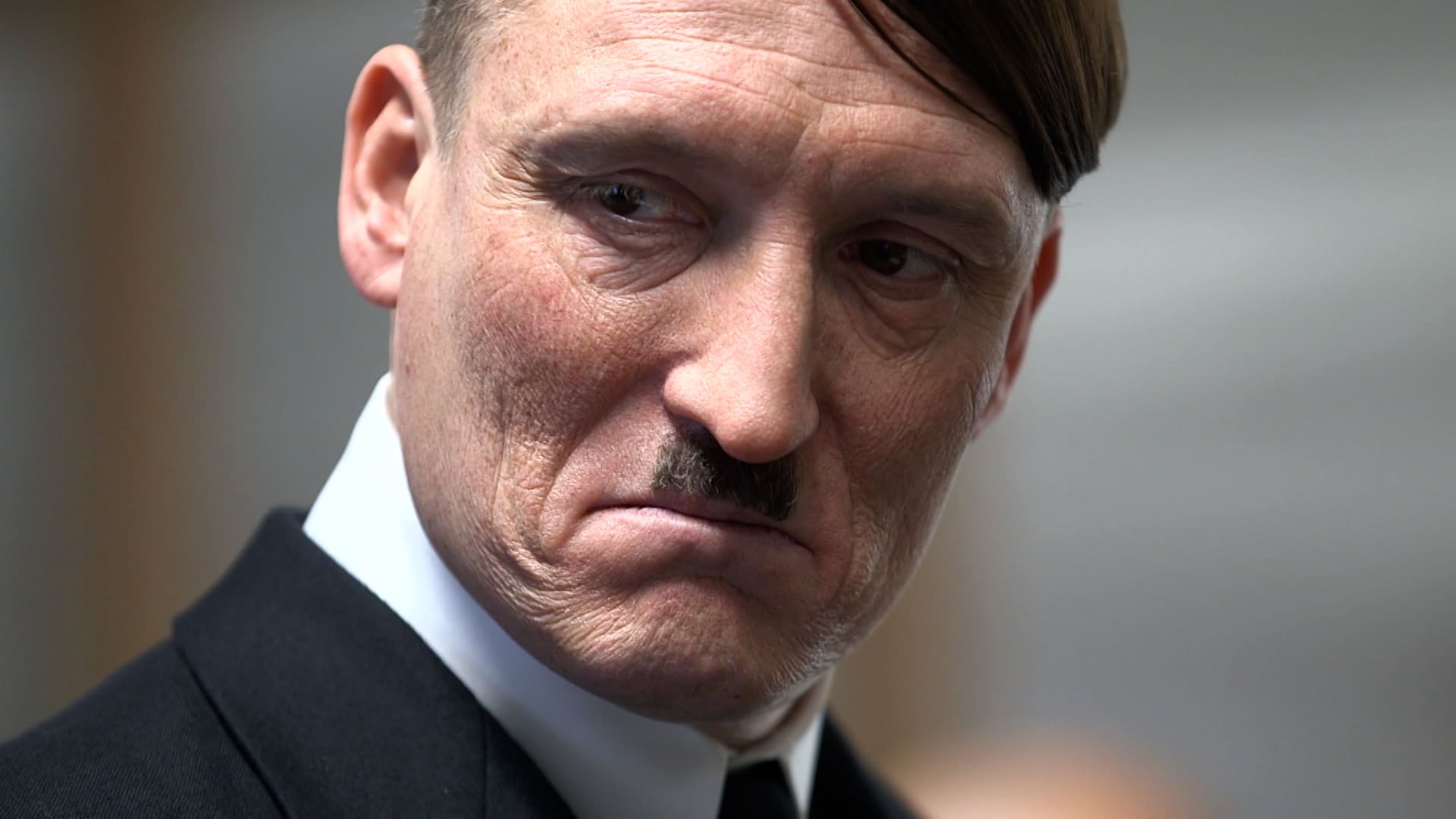
Hollywood has long been fascinated by dictators because their stories combine power, fear, violence, and psychological complexity in ways that naturally attract filmmakers and audiences alike. Movies centered on tyrannical rulers often explore not only political brutality but also the disturbing personalities behind some of history's most feared regimes. One example is The Devil's Double, which tells the real life story of Latif Yahia, a man forced to become the body double of Uday Hussein, the violent son of former Iraqi leader Saddam Hussein. The film examines the terrifying environment surrounding Uday Hussein, whose cruelty and unpredictability created constant fear for those around him. Actors involved with the project explained how difficult it was to portray someone whose actions felt morally incomprehensible and emotionally disturbing. Rather than attempting to justify the behavior of such figures, the film focused on exposing the horror experienced by ordinary people trapped within authoritarian systems. Viewers become both horrified and strangely fascinated while watching the psychological destruction caused by unchecked political power. These films often force audiences to confront uncomfortable questions about human nature, violence, and the appeal of absolute authority. By dramatizing real historical events, Hollywood creates opportunities to examine how dictators manipulate fear, loyalty, and public image while devastating entire societies. The entertainment value of these stories frequently comes from the tension between charisma and brutality, where dangerous individuals can appear both powerful and deeply unstable at the same time. Through intense performances and dark storytelling, films about dictators continue attracting audiences interested in history, psychology, and the frightening realities of authoritarian rule across different countries and eras throughout the modern world today.
Among the most acclaimed films about dictatorship is The Last King of Scotland, which explores the terrifying reign of Ugandan military leader Idi Amin. Amin seized power through a military coup and became internationally infamous for torture, executions, political repression, ethnic persecution, and widespread human rights abuses. The film gained extraordinary praise largely because of Forest Whitaker's deeply unsettling portrayal of Amin, a performance that earned him an Academy Award. Whitaker approached the role by researching Amin’s early life, family background, and childhood experiences in an effort to understand how such a feared ruler emerged. Rather than presenting Amin as a one dimensional monster from the beginning, Whitaker described building the character gradually by first examining his humanity before layering darker and more violent traits onto the performance. This method reflected how many dictator focused films attempt to balance historical horror with psychological exploration. Audiences are often drawn to these stories because they reveal how ordinary human experiences can evolve into destructive obsession, paranoia, and abuse of power. At the same time, filmmakers must carefully avoid glorifying brutality while still portraying these figures honestly and dramatically. The Last King of Scotland succeeded because it showed both Amin’s charisma and his terrifying instability, allowing viewers to understand why some people followed him despite his crimes. Hollywood continues returning to stories about dictators because they provide opportunities for powerful performances, historical reflection, and intense moral examination. These films remind audiences how dangerous unchecked authority can become while also exploring the darker extremes of ambition, fear, and political control in human society throughout history and modern cinema today.