Dictator scorpion, giant of the underground
Published On May 04, 2026 02:33 PM
One of the largest scorpions in the world, the dictator scorpion relies on powerful claws and faces threats from habitat loss.
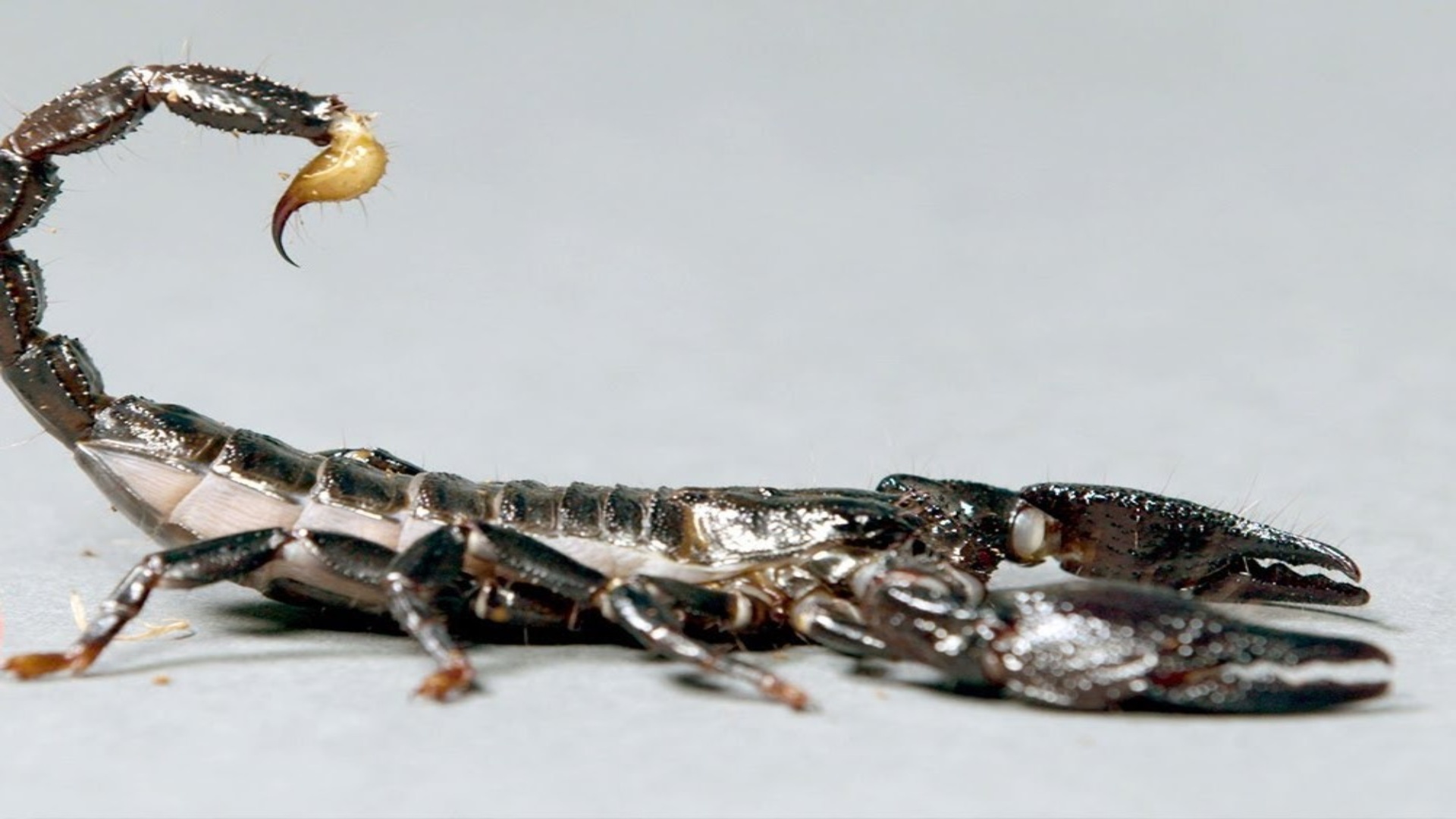
The dictator scorpion is one of the most impressive arachnids in the world, known for its remarkable size, strength, and survival adaptations. Growing up to eight inches in length, it stands among the largest scorpion species, giving it a commanding presence in its natural environment. Despite its intimidating appearance, its venom is relatively mild compared to many smaller scorpions, which rely heavily on toxins for hunting and defence. Instead, the dictator scorpion depends primarily on its massive pincers, which are powerful enough to crush prey and deter potential threats. These claws allow it to capture insects, small vertebrates, and other invertebrates with precision and force. Native to West Africa, this species thrives in warm, humid regions where it can remain hidden during the day. As a nocturnal creature, it becomes active at night, using its heightened sensitivity to vibrations and movement to locate prey in darkness. Its body is equipped with fine sensory hairs that detect subtle environmental changes, compensating for its relatively poor eyesight. This combination of size, strength, and sensory adaptation makes the dictator scorpion a highly efficient predator in its ecosystem, capable of surviving in challenging and competitive environments.
A defining feature of the dictator scorpion is its burrowing behaviour, which plays a crucial role in its survival. It spends most of its life underground, creating deep tunnels that can reach up to six feet beneath the surface. These burrows provide protection from predators, extreme temperatures, and environmental fluctuations, offering a stable and secure habitat. The underground environment also helps maintain the humidity levels necessary for the scorpion’s survival, preventing dehydration in hot climates. However, despite its resilience and adaptability, the species faces growing threats due to human activity. Deforestation in West Africa is rapidly destroying the natural habitats that these scorpions depend on, reducing their living space and disrupting ecological balance. Additionally, the species is sometimes collected for the exotic pet trade, further impacting wild populations. This situation highlights an important reality that size and strength do not guarantee survival in a changing world. Conservation efforts focused on preserving natural habitats are essential to ensure the long term survival of the dictator scorpion. Protecting forests not only benefits this species but also supports countless other organisms that share the same ecosystem, reinforcing the importance of environmental responsibility and sustainable practices.