Daniel Clowes, the visionary who redefined comics
Published On April 29, 2026 02:54 PM
Explore how Daniel Clowes transformed comics into a powerful medium for real stories and emotional depth.
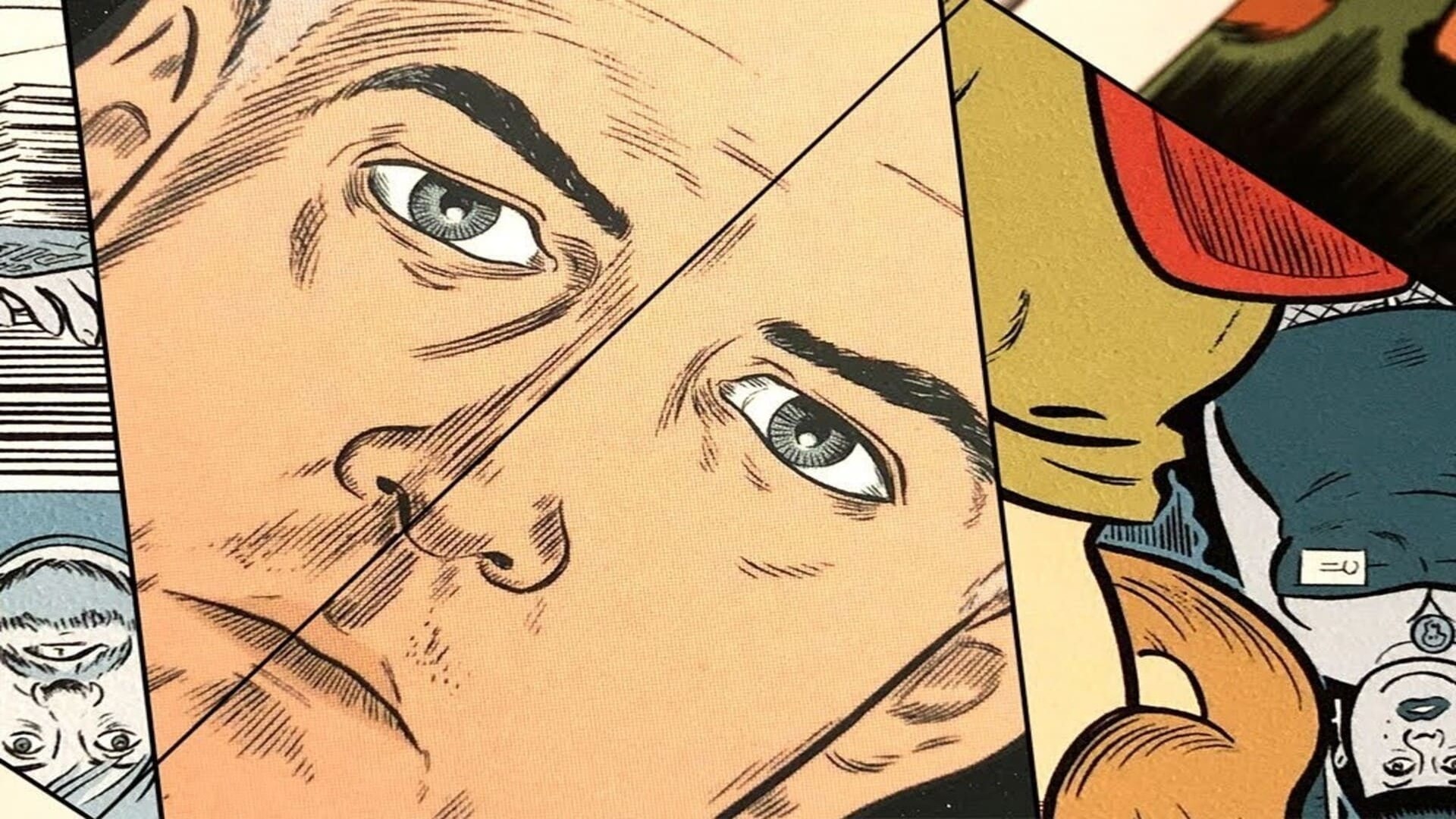
The world of comics is often associated with superheroes like Batman and Superman, but there exists another side of the medium that reshaped storytelling in a quieter yet deeply influential way. At the centre of this transformation is Daniel Clowes, a creator whose work challenged traditional expectations of what comics could be. Born in Chicago in 1961, Clowes grew up feeling like an outsider, especially during a time when comics were not widely respected as a serious art form. While his peers were immersed in mainstream culture, he found comfort in drawing and storytelling, using art as a personal escape. His early career was far from smooth, with his first published comic failing to gain traction and leaving him questioning his future. However, this setback became a turning point rather than an ending. In 1989, he released Eightball, an experimental collection that blended different genres, tones, and artistic styles. Unlike conventional comics, it focused on everyday life, flawed characters, and introspective themes. This bold approach resonated with readers who were searching for something more authentic and relatable, marking the beginning of a new era for alternative comics and establishing Clowes as a unique voice in the industry.
Clowes reached wider recognition with Ghost World, a story that captured the complexities of youth, identity, and alienation. Its adaptation into a film, featuring Woody Harrelson among others, helped introduce his work to a broader audience and elevated his status from cult favourite to significant cultural figure. The success of Ghost World also contributed to a shift in how graphic novels were perceived, proving that comics could explore deep emotional and social themes just as effectively as traditional literature or cinema. Following this breakthrough, Clowes continued to expand his influence with works like David Boring and Wilson, both of which were later adapted into films. His storytelling often centres on imperfect, misunderstood characters, reflecting his own experiences and offering readers a sense of connection and empathy. By focusing on realism rather than fantasy, Clowes helped redefine the possibilities of the medium. Today, his contributions are seen as pivotal in the rise of graphic novels as a respected form of art and literature, inspiring countless creators and reshaping the cultural landscape of comics worldwide.