China's Dazu Rock Carvings reveal a thousand years of art and culture
Published On July 22, 2026 09:48 AM
Explore the UNESCO-listed Dazu Rock Carvings, where ancient sculptures preserve China's religious heritage and everyday history.
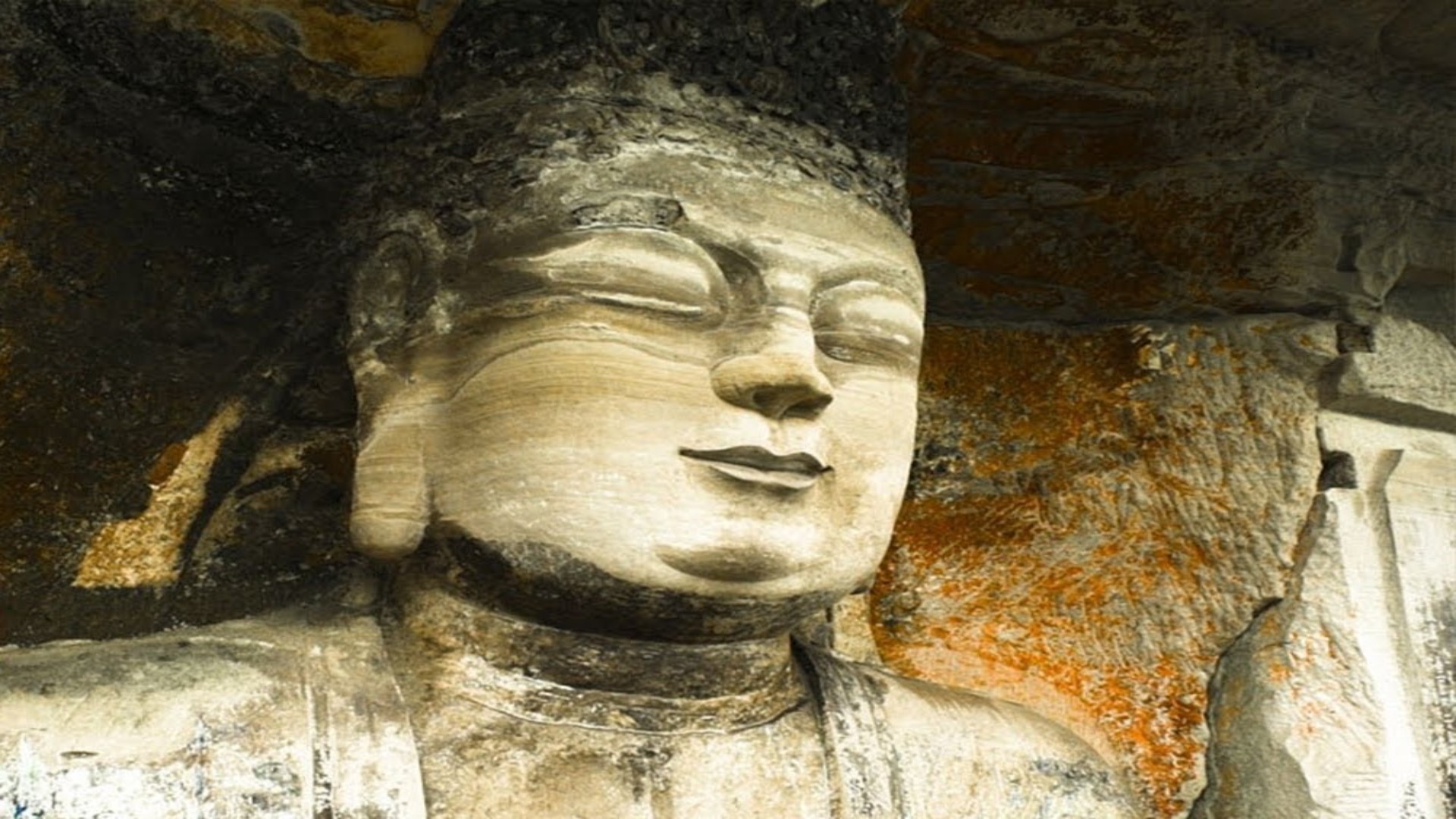
Hidden among the steep hills of Chongqing in southwestern China lies one of the world's greatest collections of ancient stone art. The Dazu Rock Carvings feature tens of thousands of intricate sculptures that have survived for more than a millennium, offering an extraordinary glimpse into China's religious beliefs, cultural traditions, and everyday life during the medieval period. Although they are less well known internationally than landmarks such as the Terracotta Army or the Great Wall, the carvings are widely regarded as one of the finest achievements of Chinese stone sculpture. Today, they continue to attract historians, archaeologists, and travelers eager to explore one of Asia's most remarkable cultural treasures.
The Dazu Rock Carvings were created primarily between the ninth and thirteenth centuries during the late Tang and Song dynasties. Spread across several sites in the Dazu district, the collection contains more than 60,000 carved figures along with thousands of inscriptions. Unlike many ancient monuments that focus solely on rulers or military achievements, these sculptures celebrate a wide range of subjects, combining religious devotion with scenes drawn from everyday life. Their remarkable preservation has allowed scholars to better understand Chinese society, artistic traditions, and spiritual beliefs from over one thousand years ago.
One of the most distinctive features of the Dazu carvings is the harmonious representation of Buddhism, Taoism, and Confucianism. Rather than emphasizing conflict between different belief systems, the sculptures demonstrate how these three philosophical and religious traditions coexisted and influenced one another in ancient China. Alongside images of deities, monks, and spiritual teachings are detailed depictions of farmers, musicians, families, and daily domestic activities. These scenes provide valuable insight into ordinary life during the period, making the site both an artistic masterpiece and an important historical record.
The carvings are admired not only for their historical significance but also for their extraordinary artistic quality. Sculptors carefully shaped expressive faces, flowing robes, and dynamic poses directly into the natural sandstone cliffs, creating figures that appear remarkably lifelike even after centuries of exposure to the elements. Many of the sculptures still preserve traces of their original painted surfaces, reminding visitors that these monuments were once even more colorful and visually striking than they appear today.
Although the carvings were known locally for centuries, public access remained limited for much of the twentieth century. Chinese visitors began gaining access during the 1960s, while international tourism expanded in later decades. In 1999, UNESCO recognized the exceptional cultural and artistic value of the Dazu Rock Carvings by inscribing them on the World Heritage List. The organization praised the site's outstanding craftsmanship, diverse subject matter, and its unique contribution to understanding life, religion, and society in medieval China.
Today, the Dazu Rock Carvings stand as one of China's most important cultural landmarks. More than simply a collection of ancient statues, they preserve the stories, beliefs, and daily experiences of generations long past.