Caño Cristales, Colombia’s ’River of Five Colours’
Published On May 10, 2026 03:42 PM
Discover the stunning Caño Cristales river in Colombia, famous for its vibrant rainbow coloured waters.
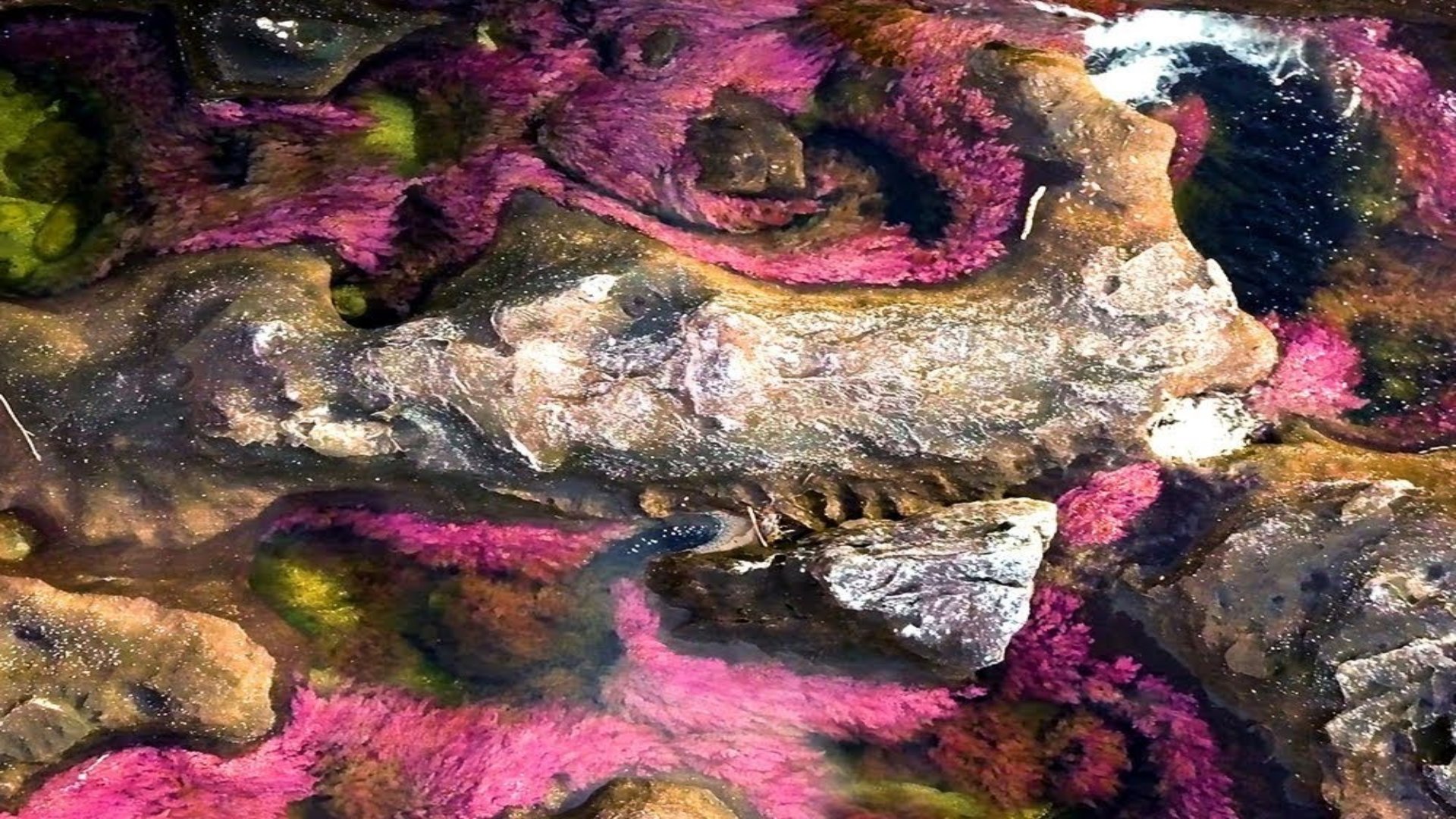
Hidden within the remote landscapes of Colombia lies one of the most visually extraordinary rivers in the world, Caño Cristales. Often called the Liquid Rainbow or the River of Five Colours, this remarkable river transforms into a dazzling display of colour for a brief period each year between the wet and dry seasons. At first glance, the river may appear ordinary, but when environmental conditions align perfectly, a rare aquatic plant species rooted in the riverbed begins to bloom. The plant produces brilliant shades of red that mix with natural reflections and mineral tones, creating vibrant streaks of yellow, orange, green, and blue throughout the flowing water. This colourful transformation has made Caño Cristales one of the most famous natural wonders in South America. Unlike rivers coloured by pollution or artificial substances, the appearance of Caño Cristales is entirely natural and depends on a delicate ecological balance. The surrounding region of Meta contributes to the beauty of the site with rocky formations, waterfalls, and untouched wilderness that attract travellers from around the world. Because the phenomenon occurs only for a limited time annually, visitors often plan carefully to witness the river during its peak colours. The temporary nature of the spectacle makes the experience even more special, turning the river into a symbol of nature’s unpredictability and extraordinary beauty that continues to fascinate scientists, photographers, and explorers alike every year.
Despite its breathtaking appearance, Caño Cristales remained inaccessible to much of the world for many years due to instability and guerrilla activity in the surrounding region before 2009. During that period, tourism was heavily restricted, and few outsiders had the opportunity to experience the river firsthand. As security conditions improved, controlled ecotourism gradually opened the region to visitors under the supervision of local guides. Today, travellers can reach the river by hiking or horseback riding through the rugged Colombian landscape, allowing tourism to support local communities while preserving the fragile ecosystem. Strict environmental protections are essential because the river’s unique colours depend on the survival of its endemic aquatic plants and clean natural conditions. Visitors are often prohibited from using sunscreen or chemicals that could damage the delicate habitat. The growing popularity of Caño Cristales has also highlighted the importance of balancing tourism with conservation. Local guides now play a crucial role in educating visitors about the river’s ecology, history, and cultural significance. Beyond its colourful waters, the site represents Colombia’s broader transformation from a region once associated with conflict into a destination celebrated for biodiversity and natural beauty. Caño Cristales demonstrates how fragile ecosystems can inspire global admiration when carefully protected. Its vivid seasonal colours continue to leave lasting impressions on all who witness this extraordinary river hidden deep within the Colombian wilderness and preserved through responsible tourism and conservation efforts today.