Caño Cristales, Colombia’s ‘River of Five Colours’
Published On May 20, 2026 01:38 PM
Caño Cristales in Colombia transforms into a flowing rainbow each year when rare aquatic plants bloom beneath its crystal clear waters.
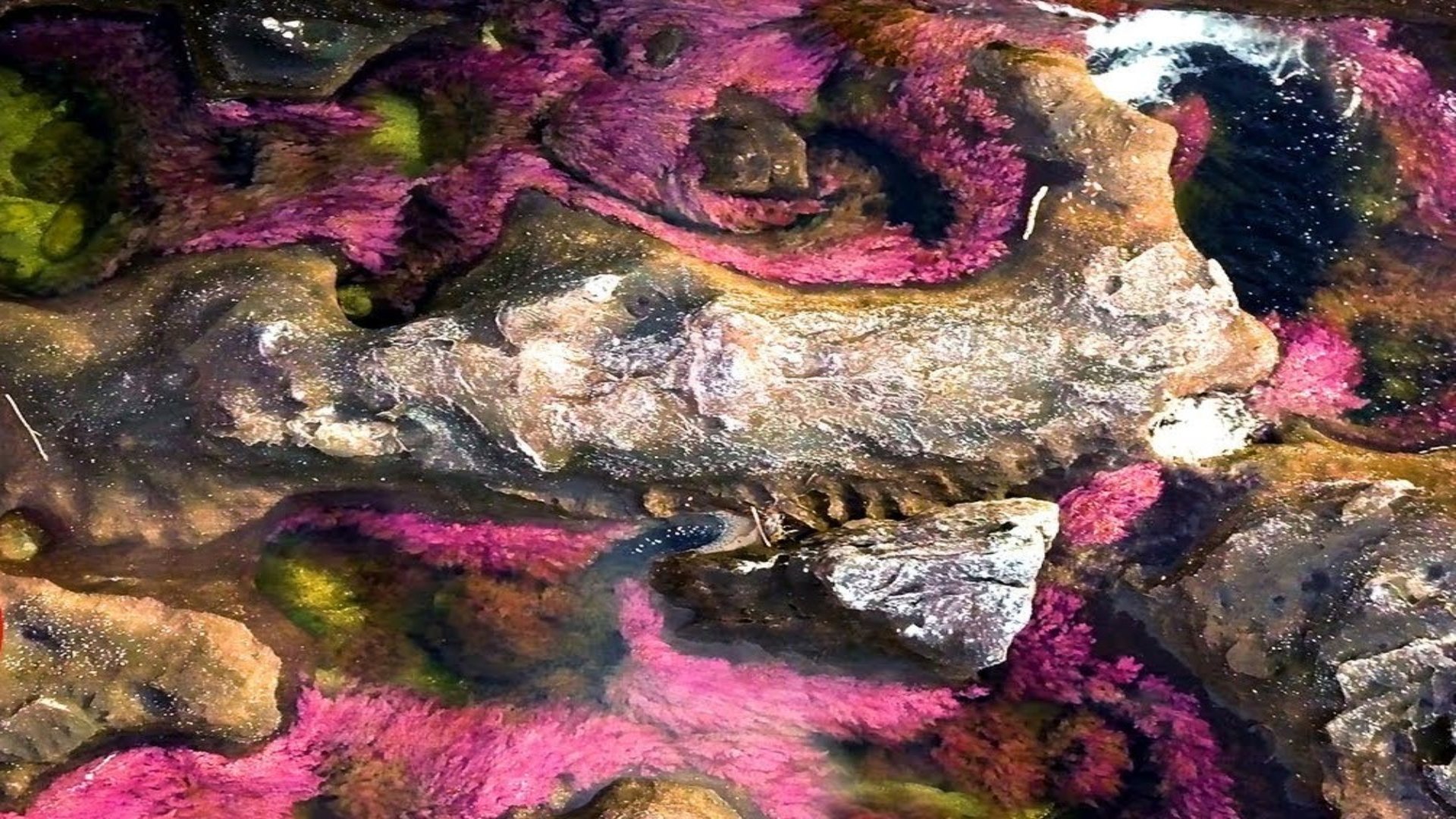
Caño Cristales is one of the most extraordinary natural wonders in South America and is often described as the most beautiful river in the world. Located in the Meta region of Colombia, this remarkable river appears ordinary for much of the year, but during a short seasonal period it transforms into a stunning display of colour. Between the wet and dry seasons, unique environmental conditions allow a rare aquatic plant species living along the riverbed to bloom. As sunlight filters through the clear water, the plants produce brilliant shades of red that mix with the natural tones of yellow, orange, green, blue, and black stones beneath the surface. The breathtaking result creates the appearance of a flowing rainbow stretching through the Colombian landscape. Because of this colourful transformation, locals affectionately refer to the river as the Liquid Rainbow or the River of Five Colours. Unlike many colourful lakes or rivers around the world, the vivid appearance of Caño Cristales is not caused by pollution, minerals, or artificial chemicals. Instead, it is created naturally by the ecosystem itself. The river’s crystal clear water, combined with the blooming aquatic plants and ideal sunlight conditions, produces an effect unlike almost anywhere else on Earth. Surrounded by rocky formations, forests, and waterfalls, the area has become a symbol of Colombia’s extraordinary biodiversity and natural beauty. Scientists and environmentalists consider the region ecologically important because it supports rare plant and animal life found nowhere else.
For many years, Caño Cristales remained inaccessible to most visitors because the surrounding region experienced guerrilla conflict and political instability. Before 2009, tourism to the river was heavily restricted due to safety concerns connected to armed groups operating nearby. As conditions gradually improved, the Colombian government and local communities reopened the area under carefully managed tourism programs designed to protect both visitors and the fragile environment. Today, travellers can reach the river through guided tours involving horseback riding, hiking, and river crossings across the remote landscape. Access remains controlled to preserve the ecosystem and prevent environmental damage caused by overcrowding or pollution. Local guides play an important role in protecting the river while also supporting the regional economy through sustainable tourism. Their knowledge helps visitors understand the river’s ecological importance and the delicate balance required for the colourful phenomenon to occur each year. Conservation efforts are essential because even small environmental changes could threaten the aquatic plants responsible for the river’s famous appearance. Climate patterns, water quality, and human activity all influence whether the colours fully emerge during the seasonal transition. Beyond its scientific and environmental significance, Caño Cristales has become a powerful symbol of Colombia’s changing international image. Once associated mainly with conflict, the region is now increasingly recognised for its natural beauty, biodiversity, and ecotourism opportunities. Photographs and documentaries featuring the river have attracted global attention and inspired travellers from around the world to explore Colombia’s hidden landscapes.