Brooklyn apartment orchestra, unique music experiment
Published On May 01, 2026 09:50 AM
A tiny Brooklyn apartment hosts massive orchestra sessions, redefining how music is created and experienced.
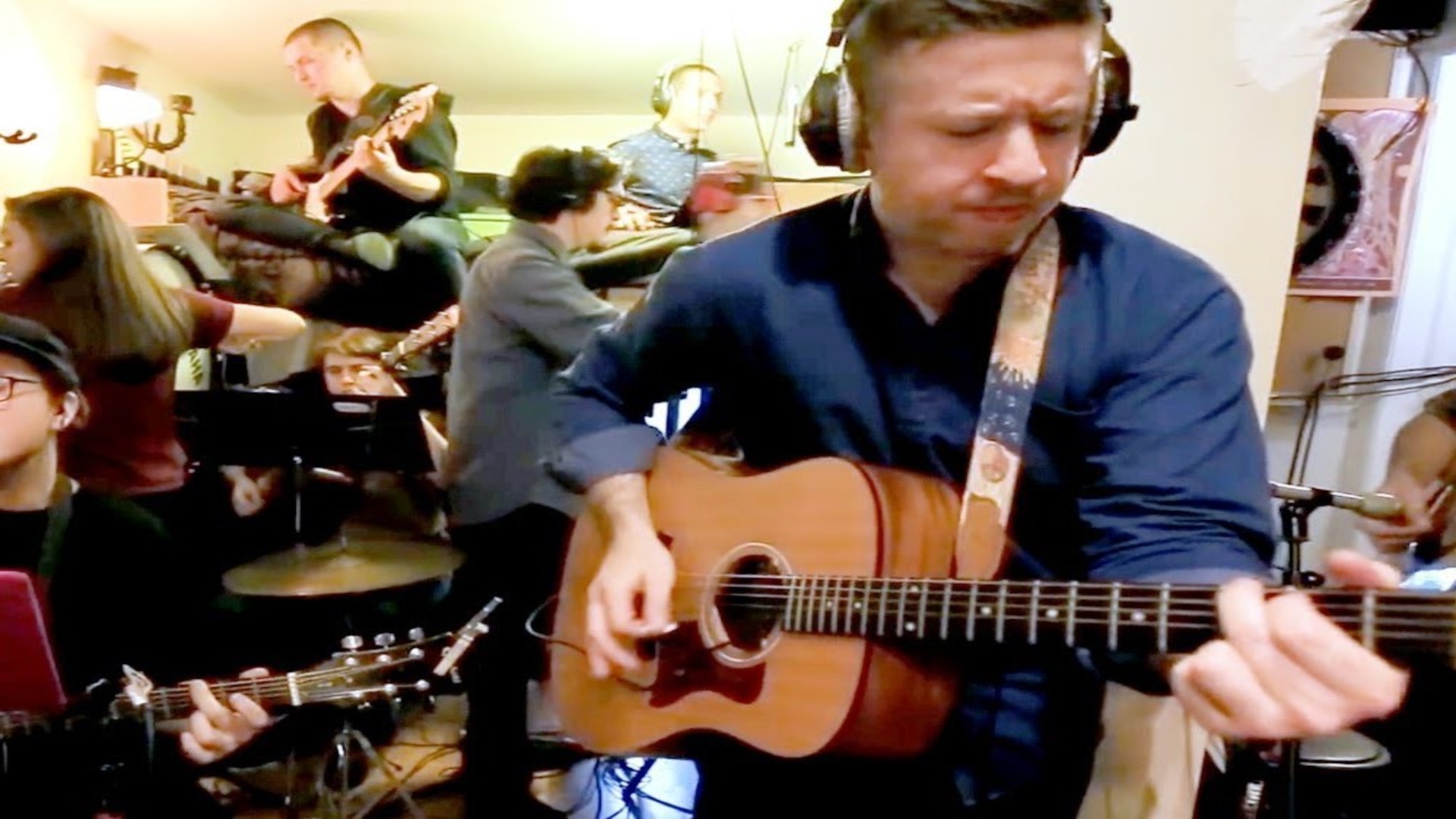
On a quiet street in Brooklyn, an ordinary apartment transforms into an extraordinary musical space where creativity thrives under unlikely conditions. Inside this modest 500 square foot home, friends and roommates Evan and Luke host a monthly recording session that brings together up to 60 musicians at once. What appears from the outside to be a typical residence becomes, for a few intense hours, a fully functioning orchestra studio. To make this possible, the apartment is completely reconfigured, with furniture removed, doors taken off hinges, and every available inch repurposed to accommodate instruments and performers. Musicians fill every corner, from strings and woodwinds to percussion and even a marimba placed in the kitchen. The result is a tightly packed environment that seems chaotic yet functions with remarkable coordination. Each session is recorded in roughly three hours, capturing a complete arrangement that is later shared online. This unconventional approach challenges traditional ideas of how orchestral music should be performed and recorded, proving that innovation often comes from working within limitations rather than avoiding them entirely in modern creative spaces today.
What makes these sessions truly special is not just the novelty of fitting an orchestra into a small apartment but the sense of community and shared energy it creates. Unlike traditional studios or concert halls, this environment fosters a unique connection between musicians, where proximity and collaboration lead to a more intimate and expressive performance. The experience is described as both chaotic and magical, with participants feeding off the collective energy in the room. Musicians from across the country are drawn to this project, eager to be part of something that feels both experimental and deeply human. The absence of formal structure allows for spontaneity, encouraging performers to engage with the music in new ways. This approach redefines what an orchestra can be, shifting the focus from perfection to experience. It highlights how creativity can flourish when people come together with a shared purpose, regardless of space or constraints. Ultimately, these sessions demonstrate that music is not limited by environment but enriched by the passion and collaboration of those who create it.