Bolwoningen, The Futuristic Dutch Sphere Homes
Published On April 12, 2026 08:12 PM
Explore Bolwoningen in the Netherlands, unique spherical homes designed to connect residents with nature through innovative architecture.
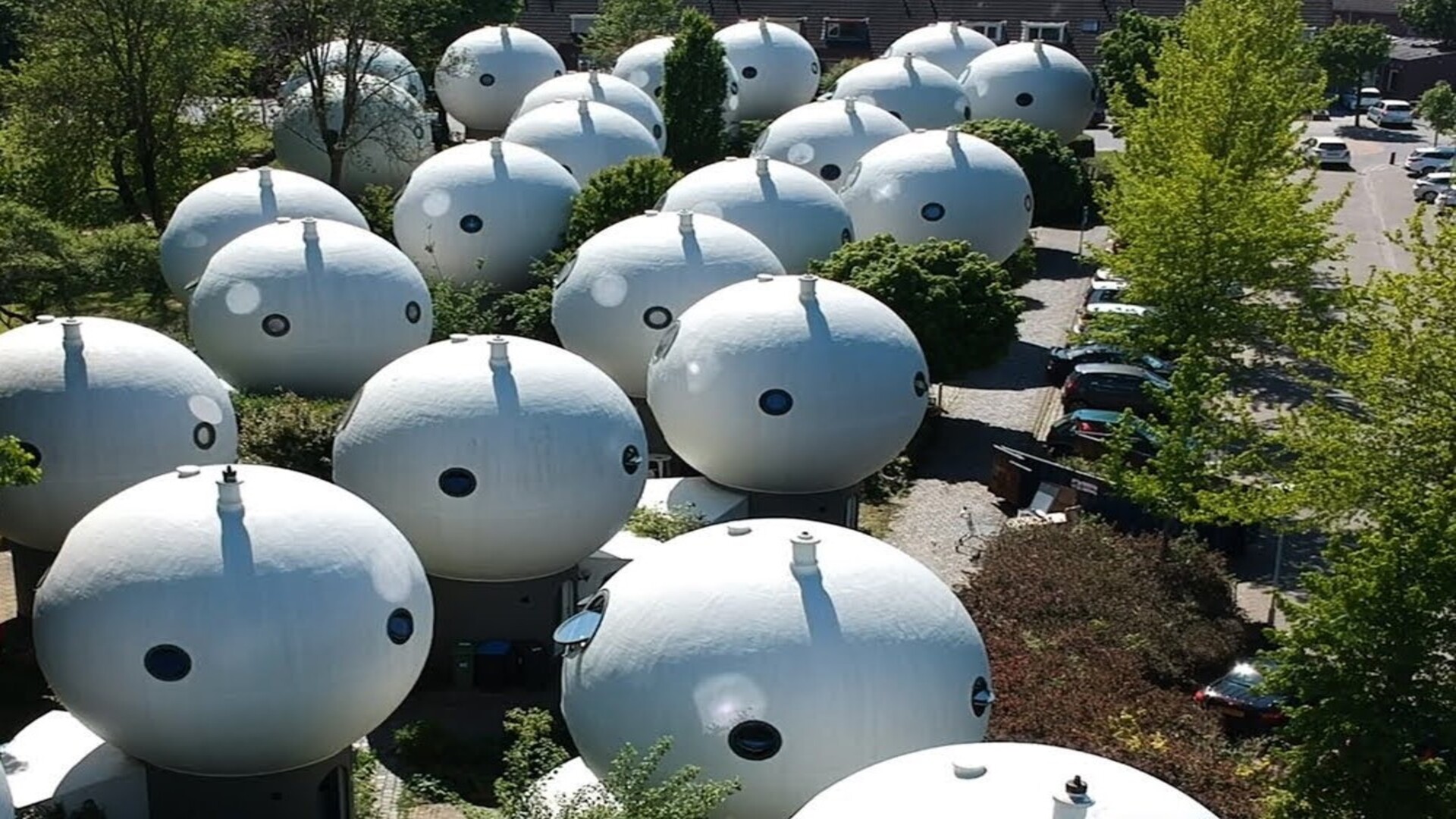
In the Netherlands, a cluster of unusual spherical houses looks more like a scene from science fiction than a real residential neighbourhood. Known as Bolwoningen, these striking homes challenge traditional ideas of architecture with their rounded, globe like structures. Located about an hour from Amsterdam, the development consists of fifty sphere shaped houses that appear to float above the ground. Built in nineteen eighty four, the project was designed by Dutch artist and sculptor Dries Kreijkamp as part of an experimental housing initiative supported by the government. At a time when architects were exploring new forms of living, this project stood out for its bold vision and unconventional design. The name 'Bolwoningen' translates to 'bulb homes', reflecting their organic shape and futuristic appearance. Constructed using cement and reinforced with fibreglass, the homes were built to be durable while maintaining a lightweight structure. Despite their unusual look, these houses were created with a thoughtful purpose. Kreijkamp believed that traditional square buildings limited human connection with the natural world. By designing curved spaces with wide circular windows, he aimed to create a living environment that felt more open and connected to the surrounding landscape. The homes are positioned near a canal, enhancing the sense of calm and integration with nature.
Inside each Bolwoningen home, the layout is carefully organised across three compact levels. The ground floor typically serves as the bedroom, while the middle level contains a bathroom, and the upper level is used as the main living space. This vertical arrangement maximises the use of limited space while maintaining a functional and comfortable interior. The round windows provide panoramic views, allowing natural light to enter from multiple angles and offering residents a constant visual connection to the outdoors. Living in such a space requires adaptation, as the curved walls challenge conventional furniture placement and interior design. However, many residents embrace the uniqueness of the environment, finding it both inspiring and peaceful. Although the project was originally considered experimental, it has stood the test of time. Decades after its construction, the homes remain occupied, demonstrating the lasting appeal of innovative design. Dries Kreijkamp passed away in twenty fourteen, but his vision continues to influence conversations about alternative housing and sustainable living. The Bolwoningen stand as a reminder that architecture can be both functional and imaginative, pushing boundaries while responding to human needs. As cities continue to evolve, projects like this highlight the importance of creativity in shaping the future of living spaces.