Bactrian camel, giant survivor of Central Asia
Published On May 10, 2026 03:41 PM
Discover the unique adaptations and endangered future of the remarkable two humped Bactrian camel.
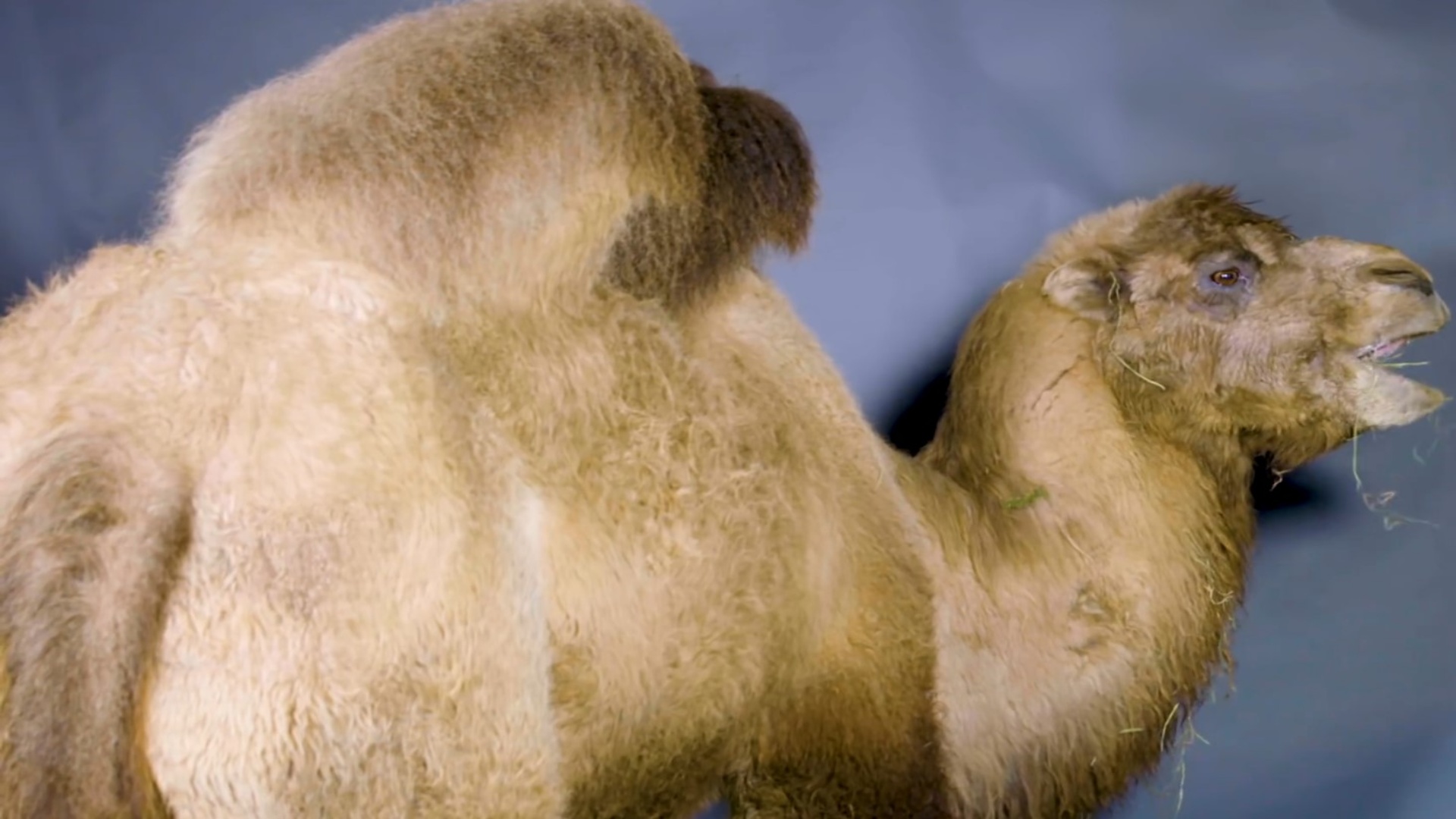
The Bactrian camel is one of the most remarkable animals adapted to some of the harshest environments on Earth. Native to the cold deserts and steppes of Central Asia, this camel species is instantly recognisable by its two humps, which distinguish it from the single humped dromedary camel. A mature Bactrian camel can grow to nearly eight feet tall, making it the largest living camel species in the world. Contrary to popular belief, the humps do not store water but instead contain fat reserves that can be converted into energy when food and water become scarce. This adaptation allows the animal to survive long journeys across difficult terrain with limited resources. Thick woolly coats protect Bactrian camels from freezing temperatures and strong winds, while their ability to tolerate high altitudes makes them valuable companions for travel and transport across rugged landscapes. For centuries, they played a major role along trade routes such as the Silk Road, helping transport goods between Asia and Europe. Domesticated Bactrian camels remain common today and continue to assist communities in remote regions with transportation and labour. Their strength, endurance, and adaptability have made them symbols of survival in environments where many other animals would struggle to live or travel successfully across extreme conditions and unforgiving landscapes every day.
Although domesticated Bactrian camels remain widespread, wild populations face a serious risk of extinction. Hunting, habitat destruction, and increasing human activity across Central Asia have dramatically reduced the number of wild camels surviving in natural environments. Scientists now classify wild Bactrian camels as critically endangered, with conservation groups warning that their population could decline even further over the coming generations. Unlike their domesticated relatives, wild camels live in isolated desert regions where food and water sources are increasingly threatened by industrial expansion and environmental change. Conservation efforts aim to protect remaining habitats while also raising awareness about the importance of preserving this ancient species. Animals like Gemma, a fifteen year old Bactrian camel often used to educate visitors, helping people understand the unique biology and ecological significance of these animals. Their calm temperament and extraordinary physical adaptations make them fascinating ambassadors for wildlife conservation. Protecting the species is important not only because of its historical role in human civilisation, but also because it represents a rare example of survival in extreme climates. As climate conditions continue to shift globally, the resilience of the Bactrian camel provides valuable insight into adaptation and endurance. Preserving wild populations ensures that future generations can continue learning from and appreciating one of the world’s most extraordinary desert animals and its remarkable evolutionary history across the vast landscapes of Central Asia today.