Artificial patients changing medical training forever
Published On April 30, 2026 09:47 AM
How simulation engineers create lifelike patients to help doctors practise and save lives.
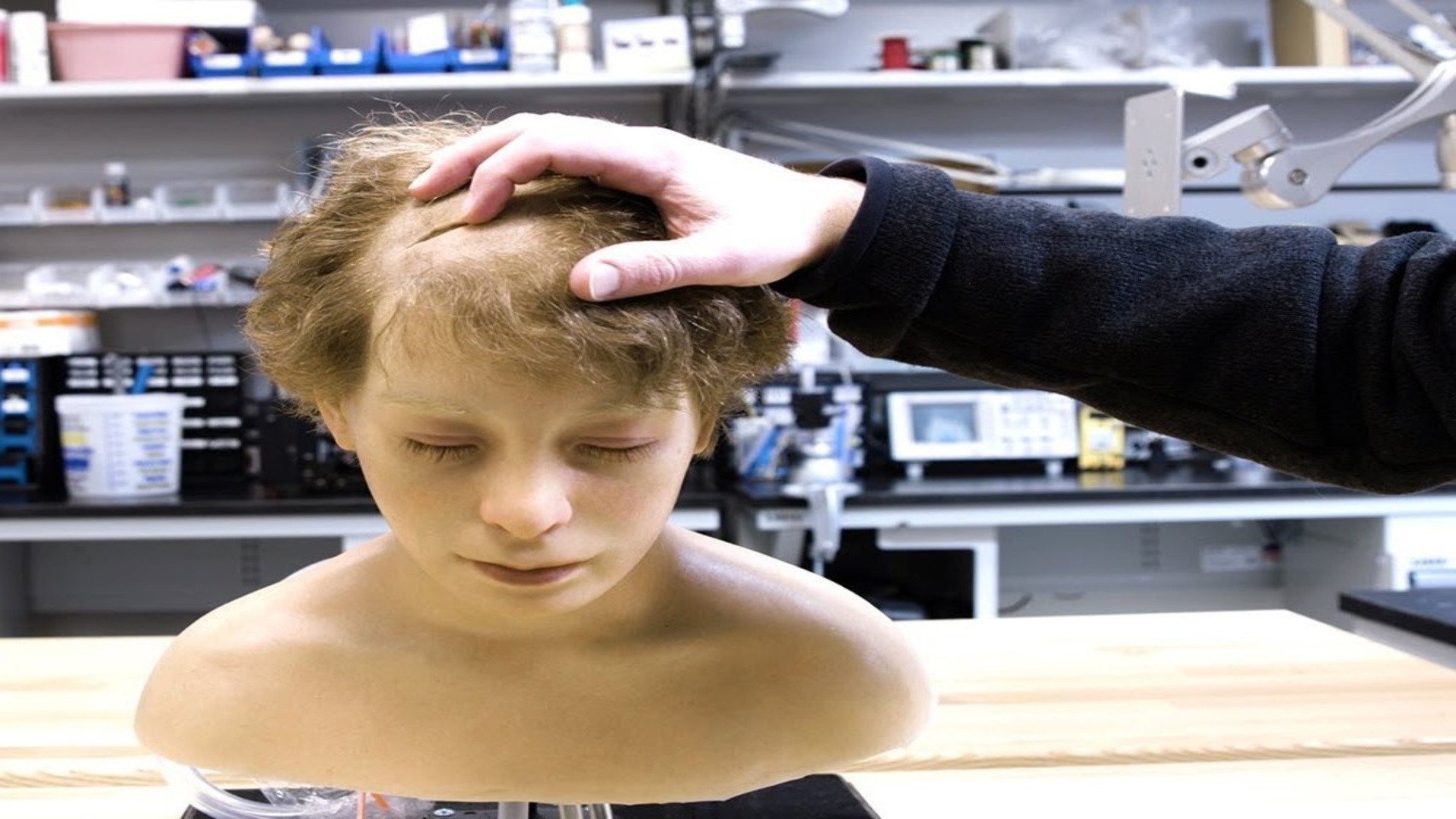
The world of modern medicine is constantly evolving, and one of the most fascinating developments is the use of artificial patients to train real doctors. At institutions like Boston Children's Hospital, simulation engineering has become a vital tool in improving healthcare outcomes. Engineers design lifelike models that allow surgeons to practise complex procedures without risking human lives. These artificial patients replicate real medical conditions, from basic injections to advanced surgical scenarios, giving doctors the opportunity to refine their skills in a controlled environment. The realism of these models is crucial, as it helps medical professionals prepare for high pressure situations they may encounter in actual surgeries. By practising repeatedly, doctors can reduce errors and increase confidence, ultimately leading to better care for patients. This innovative approach bridges the gap between theory and practice, ensuring that learning is both safe and effective while maintaining the highest standards of medical training and precision in modern healthcare systems today.
Behind this groundbreaking work are individuals like Gregory Loan, whose unique career paths bring together creativity and science. With a background in special effects, including projects related to Jurassic Park and Harry Potter, he developed the skills needed to create highly realistic models. Transitioning into robotics and medical simulation, he now combines artistry with engineering to build tools that directly impact patient care. His work ranges from simple training devices to highly advanced surgical simulations, each designed to mimic real human anatomy and responses. This blend of disciplines highlights how innovation often comes from unexpected intersections of fields. By applying techniques from entertainment to medicine, simulation engineers are transforming how doctors learn and practise. The result is a system where preparation happens before real life situations, reducing risks and improving outcomes. In this way, creativity and technology work hand in hand to support one of the most important goals of all, saving lives and improving the future of healthcare for children everywhere.