A Gripping Story of Talent, Struggle and Survival in 1920s Chicago
Published On June 09, 2026 08:33 AM
The year is 1927, the place is Chicago. The legendary Ma Rainey is the reigning queen of the blues scene
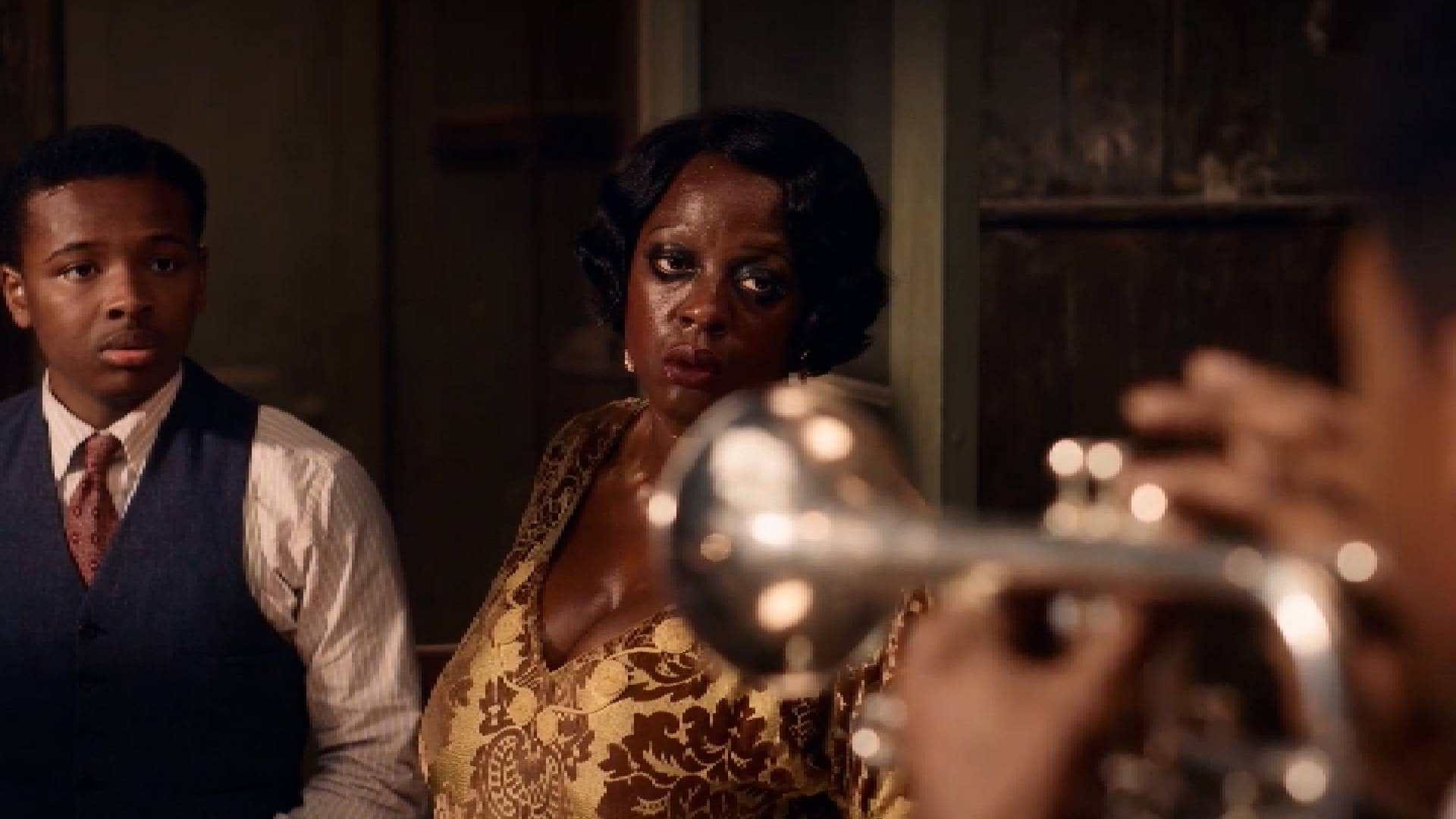
The powerful story behind Ma Rainey’s fight for respect in a changing America, set in Chicago during the late 1920s, Ma Rainey’s Black Bottom explores a pivotal moment in American music history while telling a deeply human story about power, race, ambition, and identity. Adapted from the acclaimed stage play by Pulitzer Prize-winning playwright August Wilson, the film centers on legendary blues singer Ma Rainey, often remembered as the “Mother of the Blues.” At the height of her fame, Ma enters a recording session where tensions quickly emerge between her, her white managers, and a younger generation of musicians eager to push the music in new directions. Rather than focusing solely on the recording process, the film uses this single day to examine larger social realities facing Black artists in the early twentieth century. Viola Davis delivers a commanding performance as Ma Rainey, portraying a woman who understands both her value and the challenges that come with maintaining control in an industry that often seeks to profit from talent without granting respect or autonomy. The story unfolds against the backdrop of the Great Migration, a period when millions of African Americans moved from the rural South to northern cities in search of opportunity and a better life. While those hopes brought new possibilities, they also carried the weight of past trauma and ongoing discrimination. Through sharp dialogue, moments of humor, and emotional confrontations, the film reveals how success alone could not shield Black performers from the inequalities of their era. Even as a celebrated star, Ma must constantly defend her dignity, her creative choices, and her right to be treated fairly.
Alongside Ma’s story is the rise of Levee, an ambitious trumpet player whose dreams of shaping the future of music place him on a collision course with the older generation. His confidence, talent, and desire for recognition reflect the aspirations of many young artists seeking change, but his journey also exposes the harsh realities of a system that often limits those opportunities. The dynamic between Ma and Levee creates much of the film’s dramatic tension, highlighting the contrast between hard-earned experience and youthful ambition. The production is further strengthened by its attention to historical detail, from the recreation of Chicago’s recording scene to the music that helped define an era. While Viola Davis embodies Ma Rainey on screen, the film’s singing performances capture the spirit of the blues legend whose influence helped shape modern American music. More than a musical drama, Ma Rainey’s Black Bottom is a reflection on legacy, cultural ownership, and the cost of pursuing dreams in an unequal world. It examines how artists navigate exploitation while trying to preserve their voices and identities. Through powerful performances, rich storytelling, and themes that remain relevant today, the film offers an emotional look at a transformative period in American history. By the time the final notes fade, viewers are left with a deeper appreciation not only for Ma Rainey’s contribution to music but also for the countless artists who fought to have their talent recognized on their own terms.